Fruitprocessingplant.com / Raw material route
Citrus Juice Processing Line for Orange, Lemon and Grapefruit Products
Configure citrus washing, extraction, finishing, deaeration, pasteurization, concentration and filling equipment.
Choose the finished-product boundary
The crop-specific engineering notes below define preparation and recovery questions. Select the product and packaging separately; the same front end does not make every downstream route equivalent.
Industrial scope for citrus extraction, NFC juice and concentrate processing.
This citrus line is planned for orange, lemon and citrus juice projects where extraction, peel oil, bitterness, pulp cell and aroma handling are critical. It is different from ordinary crushing-and-pressing juice lines.
- Suitable for citrus washing, size grading and extractor-based juice production.
- Typical products include NFC citrus juice, citrus concentrate, pulp-containing juice and beverage base.
- Core process modules include grading, citrus extraction, pulp control, deaeration, pasteurization and filling.
- Optional concentration, pulp adjustment or aroma/oil handling can be discussed according to project scope.
Citrus process route and engineering logic.
The citrus route should focus on extraction style, peel oil and bitterness control, pulp cell management and whether the project targets NFC juice, concentrate or ingredient base.
01Raw material receiving, washing and sorting
Confirm fruit variety, size distribution and ripeness before extraction. This helps determine extractor setting, pulp control and juice yield.
02Trimming, crushing, juicing, pulping or extraction
Trim the raw material to remove unwanted peel, core or damaged parts according to the target product route. Proper trimming reduces off-flavor, excess fiber and unnecessary downstream solids.
03Separation, refining, deaeration or homogenization
Refining or pulping controls particle size, removes coarse solids and stabilizes the downstream product route.
04Optional concentration, blending or standardization
At this stage the product can be adjusted for Brix, solids, acidity, recipe balance or ingredient formulation. This is where the process is matched to the commercial product specification.
05Sterilization, pasteurization or filling preparation
Pasteurization or sterilization is selected according to pH, product texture, shelf-life target and packaging format.
06Packaging, cooling and storage
The final filling route should match the sales channel and storage plan, such as aseptic bag, drum, bottle, can, jar or pouch. Packaging choice also affects the overall thermal process and quotation scope.
Citrus product routes and scope.
Different finished products lead to different equipment scope, utility demand, heat-treatment method and packaging logic.
NFC Juice
NFC citrus juice emphasizes flavor retention, pulp control and moderate heat treatment.
Concentrate
Citrus concentrate adds evaporation and may require different aroma and solids handling.
Pulp-Containing Juice
The pulp cell level should be defined early because it affects separation and final mouthfeel.
Ingredient Base
Citrus base products can be prepared for blending, beverage manufacture or industrial ingredient supply.
Critical engineering points.
- Citrus extraction must control peel damage because peel oil and bitterness can strongly affect final juice quality.
- Fruit size distribution matters because extractor stability and juice yield change with fruit grading quality.
- Pulp cell content should be defined early because it affects separation, mouthfeel and filling performance.
- NFC juice and concentrate projects should not be treated as the same route because they require different downstream decisions.
Reference scope for discussion.
| Typical capacity | Industrial planning range depends on citrus supply, working shift and final product route. |
| Finished products | Juice, puree, pulp, concentrate, sauce, beverage base or aseptic bulk product depending on project scope. |
| Key process decisions | Raw material condition, texture target, heat treatment method, packaging format and utility conditions. |
| Packaging options | Aseptic bag, drum, bottle, jar, pouch, can or bulk tank depending on shelf-life target. |
| Automation & cleaning | PLC + HMI operation, sanitary piping and CIP/SIP options can be discussed. |
Citrus line decisions: extraction method, peel oil control, pulp cells and juice stabilization.
Citrus processing is defined by extraction rather than simple crushing. Peel oil, bitterness, pulp cell content, juice cloud stability and pasteurization conditions must be planned around the target fruit and market style.
Extraction instead of crushing
Citrus fruit should normally be extracted with equipment designed to separate peel, juice and pulp. Generic crushing can introduce peel oil and bitterness, so extractor choice is a core design point.
Peel oil and bitterness control
Orange, lemon and grapefruit have different peel oil and bitterness risks. The line should define acceptable oil level, peel contact time and whether downstream deaeration or finishing is needed.
Pulp cell management
Some products need visible pulp cells, while others need smoother juice. Finishers, screens and pulp recovery modules should be selected according to mouthfeel target.
NFC or concentrate route
NFC citrus juice focuses on freshness and pasteurization, while concentrate adds evaporation and aroma/color concerns. The RFQ should state the main route before capacity is calculated.
CIP and acidity
Citrus acidity and pulp residues affect cleaning. Equipment layout should allow easy access to extractors, finishers, tanks and pasteurizers.
RFQ parameters to confirm
Confirm citrus type, fruit diameter range, NFC/concentrate target, pulp content, peel oil tolerance, packaging format, capacity, washing/grading requirement and whether multiple citrus varieties share the line.
Send Citrus Processing Line requirements with material data.
For a useful quotation, include the raw material condition, target product route, expected capacity, packaging format, available utilities and any quality requirement that affects equipment selection.
Open Project RFQ PageEquipment modules and their role in the line.
Each module should be selected according to raw material condition, target product route, capacity, cleaning requirement and final packaging plan.
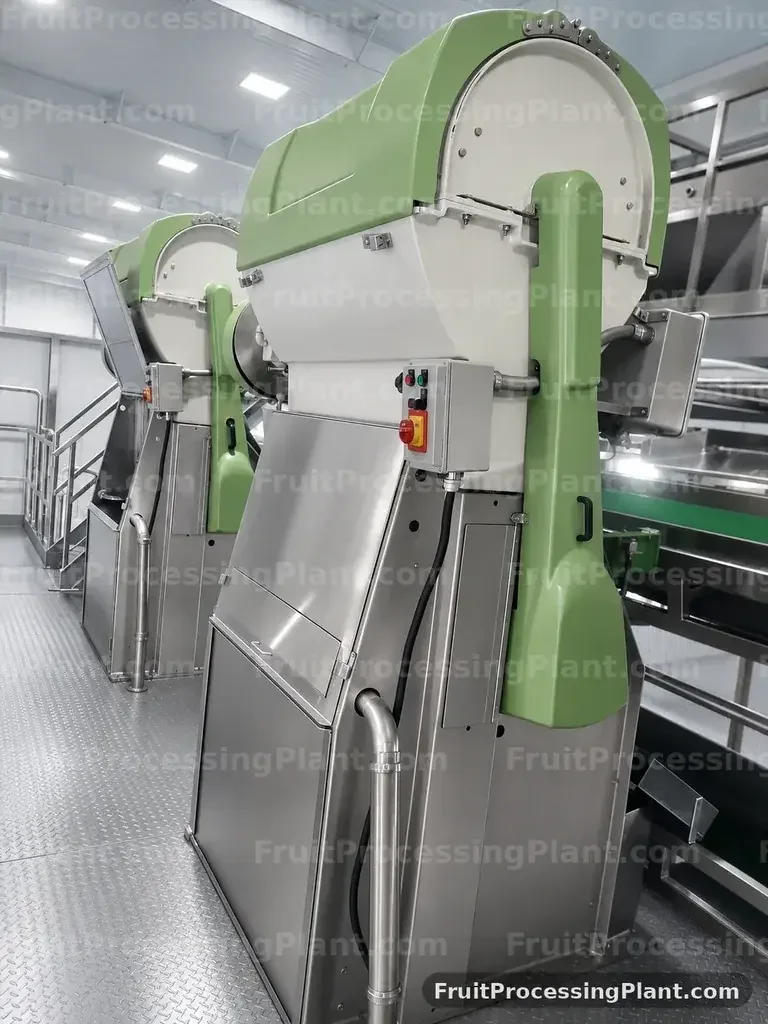
Drum Grading Machine
Size grading improves extractor stability and helps maintain consistent juice yield.
Citrus Cup Extractor
A citrus-specific extractor helps control peel oil, bitterness and pulp cell quality.
Disc Stack Separator
Used where pulp, fine solids or unwanted components need further adjustment.
Vacuum Deaerator
Deaeration helps protect citrus flavor quality before heat treatment or filling.
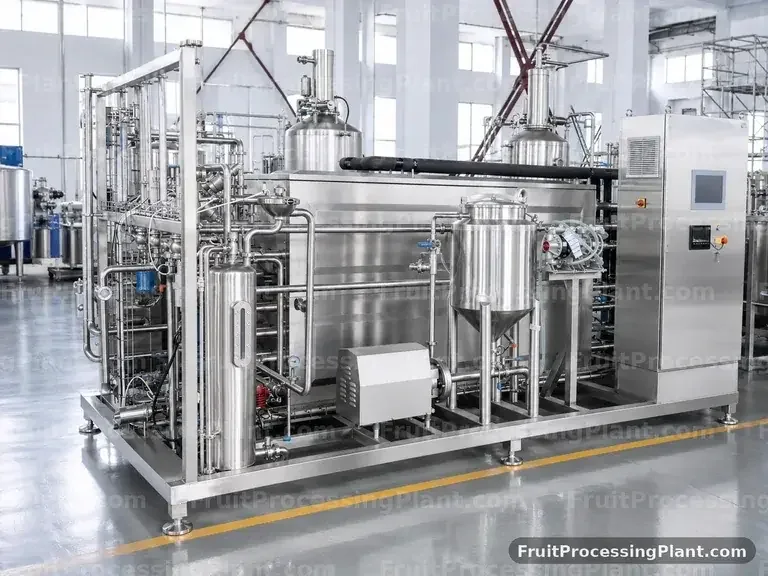
Plate Sterilizer
Suitable for low-viscosity citrus juice heat treatment according to packaging route.
Citrus Juice Processing Line for Orange, Lemon and Grapefruit Products quotation questions.
These answers help separate a real process route from a simple equipment list before quotation.
What information is needed before quotation?
Provide raw material form, finished product, expected hourly capacity, operating season, Brix or solids data, pH if available, viscosity or texture target, fiber, seed or particle limits, package format, shelf-life target and utility conditions. If some values are not final, mark them as preliminary references. The quotation can then show a realistic process route instead of a generic machine list.
Can one line make several finished products?
Some upstream equipment can be shared, especially washing, sorting and part of the extraction section. The downstream route may change once the product becomes orange juice, lemon juice, grapefruit juice, citrus concentrate and pulp-containing beverage base. Different products can require different pulper screens, heat treatment, evaporation, filling or storage conditions. For multi-product planning, list the main product first and treat other products as optional routes during quotation.
Which equipment normally drives the cost?
The cost is usually driven by capacity, product viscosity, required particle control, heat-treatment method, evaporation need, aseptic filling, automation level and utility scope. For this line, the sensitive items are peel oil, bitterness, seed control, pulp level, aroma recovery, acidity, pasteurization and concentrate Brix. Those factors change stainless steel contact area, pump type, heat exchanger style, tank volume, cleaning design and installation work.
Are the parameters on this page final specifications?
No. Any capacity, Brix, heat-treatment or utility value shown on the website should be treated as a planning reference only. Final specifications must be confirmed with raw material samples, buyer product standards, local sanitary requirements and factory layout. This is especially important when viscosity, seed content, fiber, acidity or heat sensitivity changes by variety and season.
How should the factory layout be prepared?
Share the building size, floor drain position, available height, raw material receiving direction, packaging area, utility room, boiler or steam source, cooling water, compressed air and desired automation level. A practical layout should connect receiving, preparation, processing, filling, CIP and storage with enough operator access and cleaning space. Layout data also helps avoid quoting equipment that cannot be installed efficiently.
What to send for equipment selection
Send raw material, required capacity, final product, packaging format and available utilities. We will use these inputs to review the process route and equipment scope.
Get a Capacity-Based QuoteDiscuss on WhatsAppCitrus Juice Processing Line for Orange, Lemon and Grapefruit Products Engineering Notes for Equipment Buyers
This section is written for RFQ preparation. Values are reference only until raw material tests, product specifications and final layout review confirm the process route.
Raw material behavior
Citrus fruit contains peel oil, rag, seeds and juice sacs that must be controlled separately. Over-extraction can introduce bitterness, while poor fruit sorting affects juice quality.
Process route logic
The route usually includes washing, grading, citrus cup extraction, finishing, centrifuging or pulp control, deaeration, pasteurization, optional concentration and filling.
Factory planning boundary
The complete scope may include washing and grading system, citrus cup extractor, finisher, vacuum deaerator, plate or tubular sterilizer, evaporator and filling machine. Confirm steam, power, compressed air, cooling water, drainage, CIP level and automation requirement before judging price.
| RFQ Item | Reference Information to Provide | Engineering Reason |
|---|---|---|
| Finished products | orange juice, lemon juice, grapefruit juice, citrus concentrate and pulp-containing beverage base | Different products may share the same front end but require different pulping, heat treatment, filling and storage logic. |
| Critical concern | peel oil, bitterness, seed control, pulp level, aroma recovery, acidity, pasteurization and concentrate Brix | This is usually where equipment sizing, material selection, cleaning design and quality risk become different from a generic line. |
| Capacity and season | Hourly intake, operating hours per day, harvest season or frozen raw material plan. | Capacity affects buffer tanks, utility peak load, staffing, front-end width and aseptic filler size. |
| Brix, pH, viscosity and particles | Use measured data when available. If not, mark values as preliminary planning references only. | These values decide pump type, heat exchanger style, deaeration, evaporation and filling behavior. |
| Packaging and shelf life | Aseptic drum, bag-in-bin, bottle, pouch, can, jar, frozen pack or chilled distribution. | Packaging changes sterilization, filling machine, SIP/CIP scope, logistics and finished product storage. |
Related Process Modules
Compare related equipment modules before defining the line scope and RFQ inputs.
citrus cup extractor for orange and lemon juiceplate sterilizer for low-viscosity citrus juicefalling film evaporator for citrus concentratesend a production line RFQYour next engineering decision
Bring the product, site and scope together.
Start with contact details and a short requirement. Add product properties, capacity basis, packaging and utility conditions when available.