Fruitprocessingplant.com / Raw material route
Pineapple Processing Line
Turnkey pineapple processing line manufacturer for juice, puree, chunks and aseptic filling, with washing, trimming, crushing, extraction and RFQ design.
Choose the finished-product boundary
The crop-specific engineering notes below define preparation and recovery questions. Select the product and packaging separately; the same front end does not make every downstream route equivalent.
Common Engineering Problems
- Core fiber can increase grit and block screens.
- Excess peel residue can create bitterness and color defects.
- Aroma loss may occur during evaporation or long hot holding.
- High acidity affects equipment material and cleaning chemistry.
- Foaming can happen during crushing, pumping and deaeration.
- Thermal process must match pulp load and packaging format.
FAQ
Does pineapple processing require peeling and coring?
It depends on the finished product. Juice and puree routes still need peel and core handling because peel residue can create bitterness and core fiber can affect texture. Some plants use manual trimming before crushing, while others need a more structured peeling or coring interface. The RFQ should define whether whole fruit or prepared fruit enters the line and how waste is handled.
How is pineapple fiber controlled?
Fiber is controlled through trimming, crushing, pulping screen size and refining. Core fiber is different from soft pulp and can create stringy texture or screen blockage if it is not removed or reduced properly. The buyer should state whether the product is juice, puree, crushed pineapple or concentrate. Each target accepts a different particle profile and therefore a different equipment route.
Can pineapple juice be concentrated?
Yes, pineapple juice can be concentrated when storage density, export logistics or ingredient use requires higher Brix. Concentration should be planned with aroma retention, acidity, foam behavior, target Brix and evaporator cleaning in mind. NFC pineapple juice or puree does not automatically need evaporation. If concentrate is required, send initial Brix, target Brix and expected operating hours. If the plant will run seasonal fruit, mention expected quality variation and operating hours.
Which equipment affects pineapple yield most?
Yield is affected by trimming, peeling/coring method, crusher setup, press or pulper selection and how much fiber or peel residue is acceptable. Over-trimming wastes raw material; under-trimming can hurt flavor and texture. The best equipment route depends on product target and raw fruit quality. A good RFQ should include whole fruit condition and expected prepared-fruit yield if known. Utilities, cleaning frequency and automation level should be listed before final layout discussion.
What should be included in a pineapple RFQ?
Include whole fruit or prepared fruit input, trimming or peeling plan, target product, capacity, Brix, acidity, fiber tolerance, core handling, packaging format, steam, power, compressed air, cooling water, CIP and layout. If both juice and puree are planned, state the priority route and whether future concentrate production should be considered in the line design. For early quotations, mark all values as reference only until sample testing confirms them.
Pineapple Processing Line Engineering Notes for Equipment Buyers
This section is written for RFQ preparation. Values are reference only until raw material tests, product specifications and final layout review confirm the process route.
Raw material behavior
Pineapple contains peel, eyes, core fiber and acidic juice that affect preparation labor, extraction yield and material selection. The project should define whether fresh-cut, juice or puree is the main route.
Process route logic
The route may include washing, trimming, peeling, coring, crushing or pulping, pressing or refining, deaeration, sterilization, optional concentration and filling.
Factory planning boundary
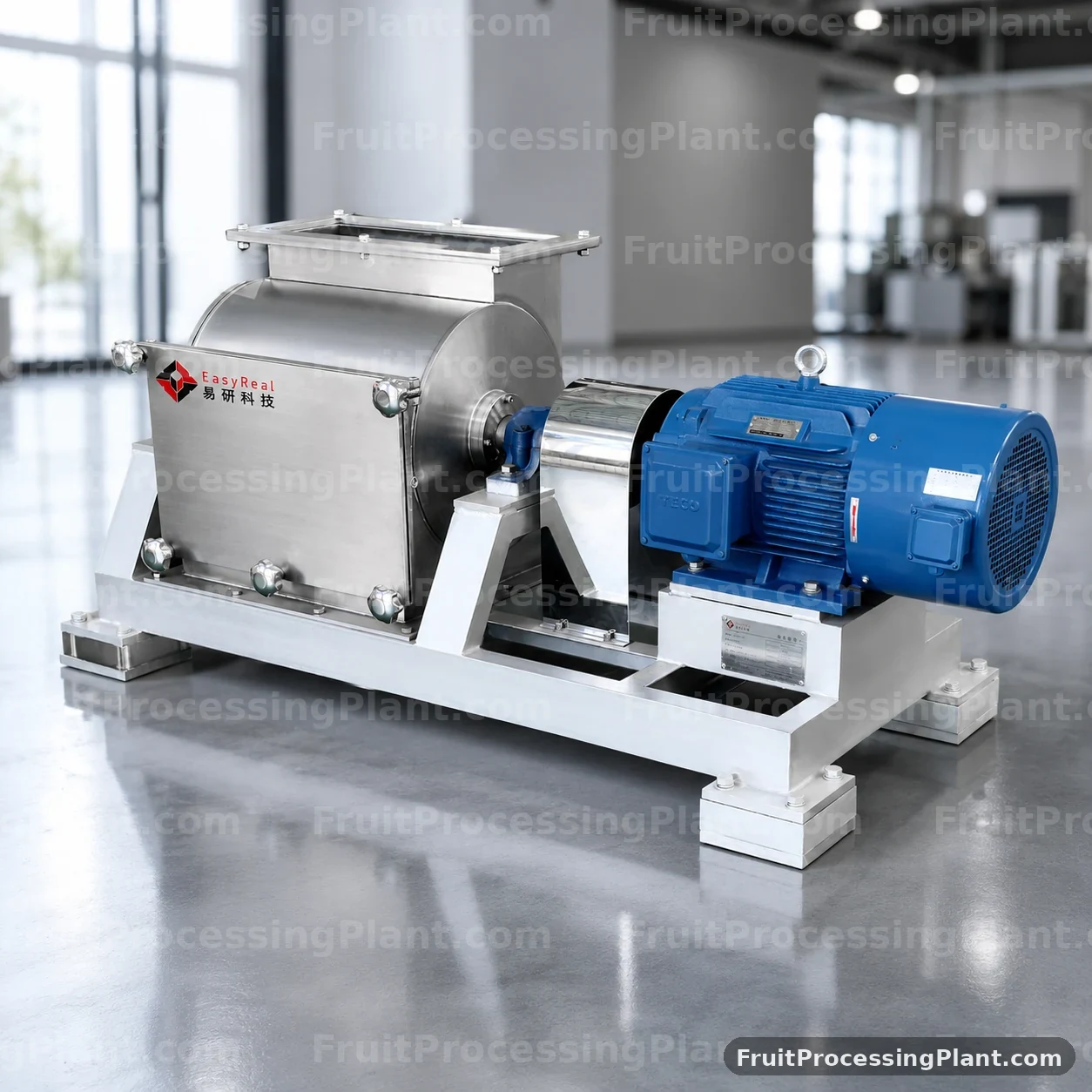
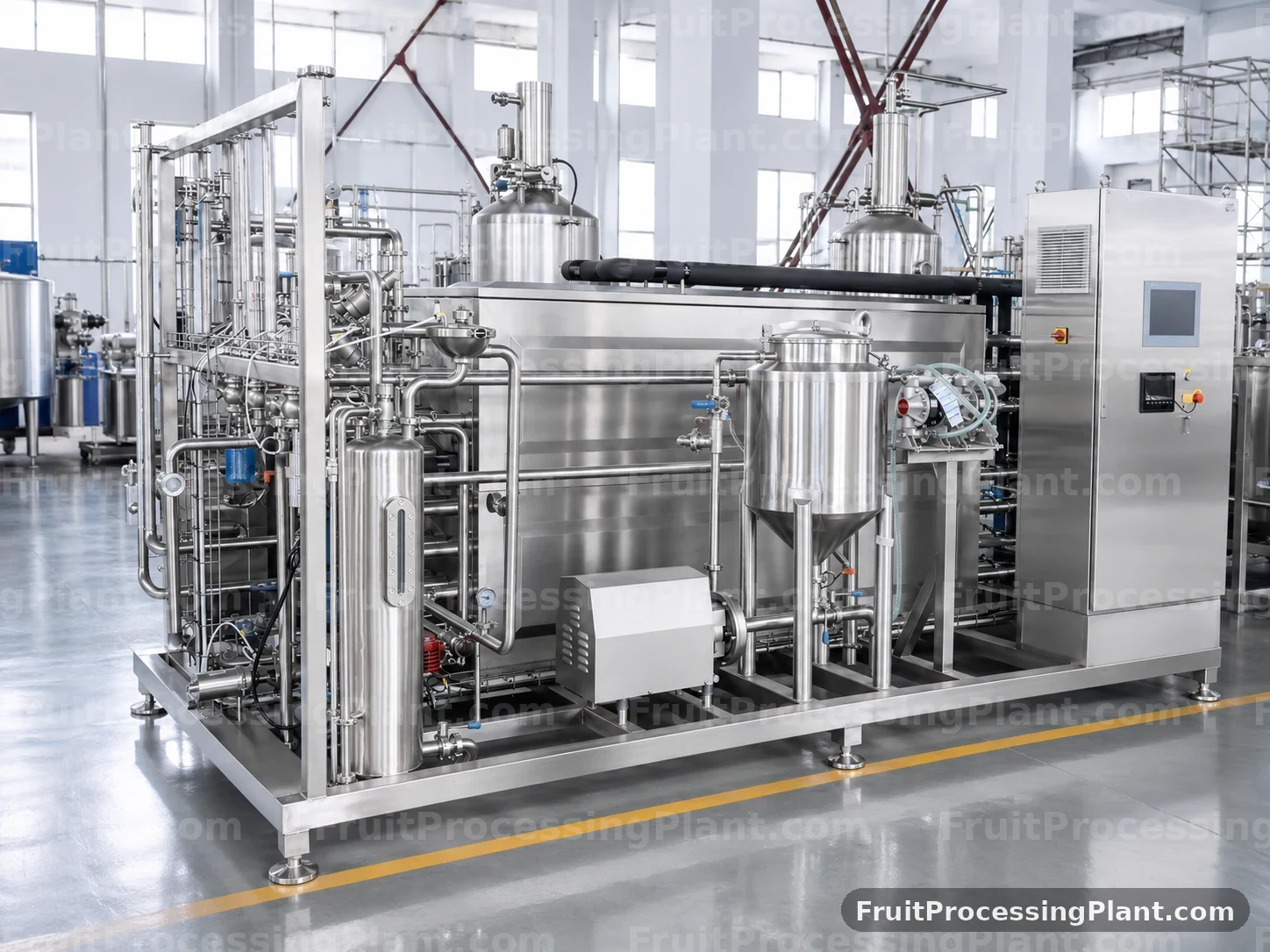
The complete scope may include washing system, trimming and coring section, crusher, pulper or belt press, vacuum deaerator, sterilizer and filling machine. Confirm steam, power, compressed air, cooling water, drainage, CIP level and automation requirement before judging price.
Key Engineering Decisions
This crop-specific review separates the main process decisions before capacity and equipment are finalized.
| Design Checkpoint | Reference Data or Decision | Effect on the Line |
|---|---|---|
| Preparation yield | Set the peel and core balance from fruit size, trimming method and the value of side streams. | Preparation loss changes labor, usable product flow, waste handling and the capacity required after trimming. |
| Main product route | Choose the juice route versus puree route before fixing the crusher, press, pulper and refining scope. | Juice, puree, chunks and crushed fruit place different limits on fiber, particles, pumping and packaging. |
| Enzyme and heat exposure | Review bromelain activity, acidity and the intended thermal endpoint for the finished product. | Enzyme activity and acidity influence product behavior, downstream ingredients, holding time and validation work. |
- Separate fresh-cut or chunk preparation from continuous juice extraction when defining the factory layout.
- Confirm whether core material enters the product, a separate recovery stream or waste handling.
- Check foam and entrained air before finalizing deaerator and filler buffer volume.
| RFQ Item | Reference Information to Provide | Engineering Reason |
|---|---|---|
| Finished products | pineapple juice, puree, pulp, concentrate and aseptic pineapple ingredient | Different products may share the same front end but require different pulping, heat treatment, filling and storage logic. |
| Critical concern | peel and core removal, fiber control, acidity, foam, aroma retention, corrosion considerations and filling stability | This is usually where equipment sizing, material selection, cleaning design and quality risk become different from a generic line. |
| Capacity and season | Hourly intake, operating hours per day, harvest season or frozen raw material plan. | Capacity affects buffer tanks, utility peak load, staffing, front-end width and aseptic filler size. |
| Brix, pH, viscosity and particles | Use measured data when available. If not, mark values as preliminary planning references only. | These values decide pump type, heat exchanger style, deaeration, evaporation and filling behavior. |
| Packaging and shelf life | Aseptic drum, bag-in-bin, bottle, pouch, can, jar, frozen pack or chilled distribution. | Packaging changes sterilization, filling machine, SIP/CIP scope, logistics and finished product storage. |
Related Process Modules
Compare related equipment modules before defining the line scope and RFQ inputs.
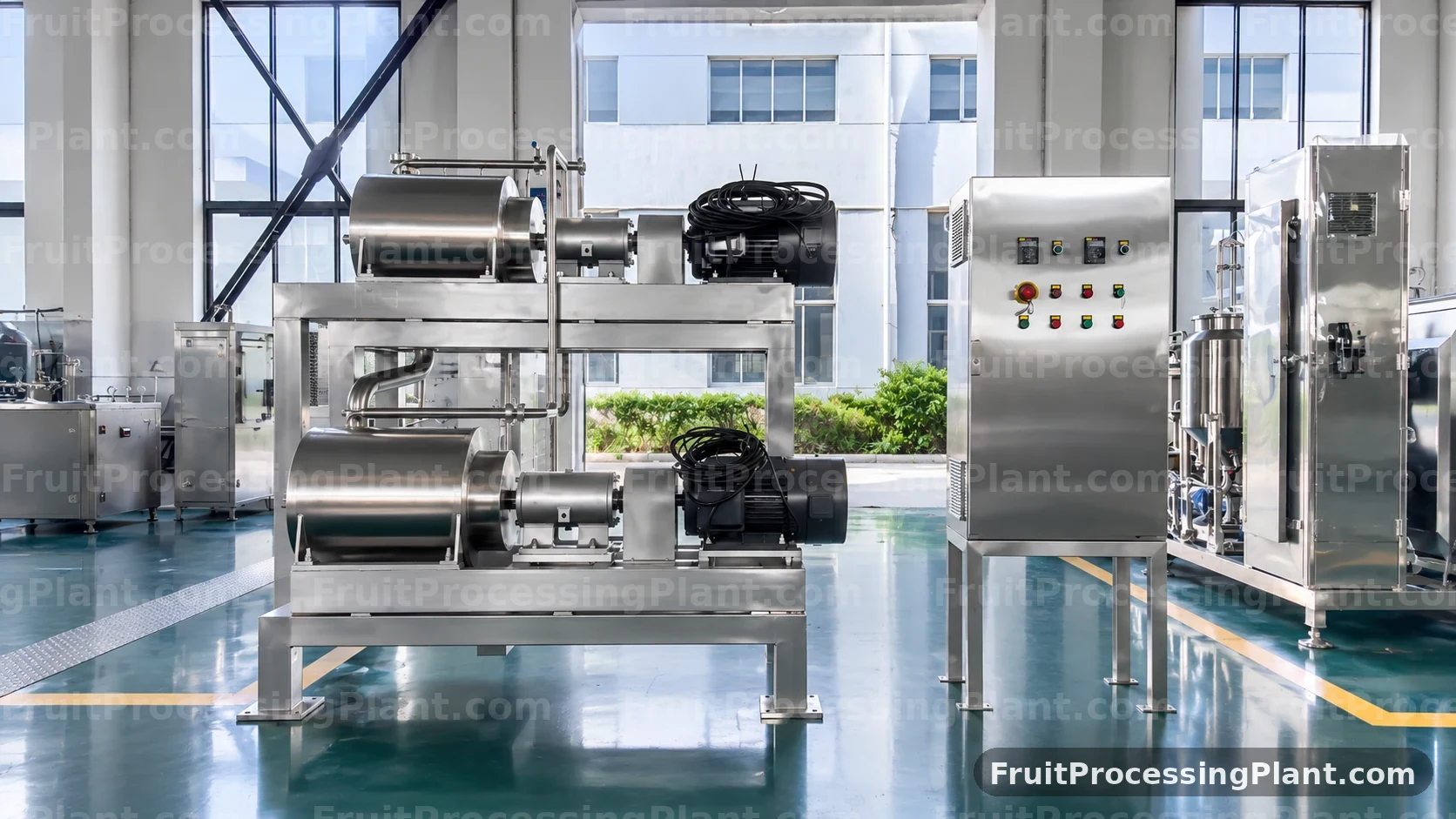
hammer crusher for pineapple preparationbelt press juicer for pineapple juice extractiontubular sterilizer for pineapple juice or pureesend a production line RFQYour next engineering decision
Bring the product, site and scope together.
Start with contact details and a short requirement. Add product properties, capacity basis, packaging and utility conditions when available.