Fruitprocessingplant.com / Raw material route
Guava Processing Line
Turnkey guava processing line manufacturer for puree, pulp, nectar and aseptic filling, with washing, pulping, seed control, sterilization and RFQ design.
Choose the finished-product boundary
The crop-specific engineering notes below define preparation and recovery questions. Select the product and packaging separately; the same front end does not make every downstream route equivalent.
Common Engineering Problems
- Hard seeds and grit can reduce mouthfeel and damage downstream equipment.
- High pulp viscosity can limit heat transfer and filling speed.
- Aroma loss may occur during long holding or high-temperature exposure.
- Fiber and stone cells require appropriate screen size and refining stages.
- Foaming and air incorporation can reduce color stability.
- CIP must remove sticky puree and seed residues from screens and piping.
FAQ
Why is seed control important in guava processing?
Guava seeds are hard and can create gritty mouthfeel, equipment wear and customer complaints if they remain in puree or nectar base. Seed control depends on pulping screen, refining stage, fruit ripeness and the target product. A puree line may keep more body, while a nectar base often needs smoother texture. The RFQ should state acceptable grit and particle size before pulper selection.
Can guava puree be used for nectar?
Yes. Guava nectar is often prepared from puree or pulp base, but the base must be refined to a drinkable texture and then blended to the required Brix, acidity and pulp level. The processing line should therefore consider pulping, refining, deaeration, blending and heat treatment together. If nectar is the final product, the buyer should send the target mouthfeel and packaging route.
Which heat treatment is used for guava puree?
Guava puree is usually more viscous than clear juice and may contain fine pulp. Tubular sterilization is often discussed, while plate heat treatment may be unsuitable if particle load and viscosity are high. Final selection depends on pH, particle size, viscosity, filling format and shelf-life target. Aseptic bulk filling requires the heat treatment and filler to be matched as one hygienic process.
Is evaporation suitable for guava?
Evaporation is possible, but guava viscosity, seed grit and flavor sensitivity can increase fouling and heat damage risk. It should be used only when concentrate or higher-solids ingredient storage is required. The RFQ should include feed Brix, target Brix, viscosity and cleaning expectations. For many projects, stable puree or nectar base may be a better first route than concentration. Utilities, cleaning frequency and automation level should be listed before final layout discussion.
What should be sent for guava line quotation?
Send guava variety, maturity, size, seed content, target product, capacity, natural Brix, target Brix if needed, seed grit tolerance, pulp particle size, viscosity, packaging format, steam, cooling water, power, compressed air, CIP requirement and layout. If the finished product is nectar, include dilution or recipe expectations so blending and heat treatment can be sized properly. For early quotations, mark all values as reference only until sample testing confirms them.
Guava Processing Line Engineering Notes for Equipment Buyers
This section is written for RFQ preparation. Values are reference only until raw material tests, product specifications and final layout review confirm the process route.
Raw material behavior
Guava contains hard seeds and fibrous pulp that can affect texture and sterilizer selection. Ripeness, variety and trimming quality should be confirmed before pulper sizing.
Process route logic
The route typically includes washing, sorting, crushing, pulping, seed separation, refining, deaeration, tubular heat treatment and aseptic filling.
Factory planning boundary
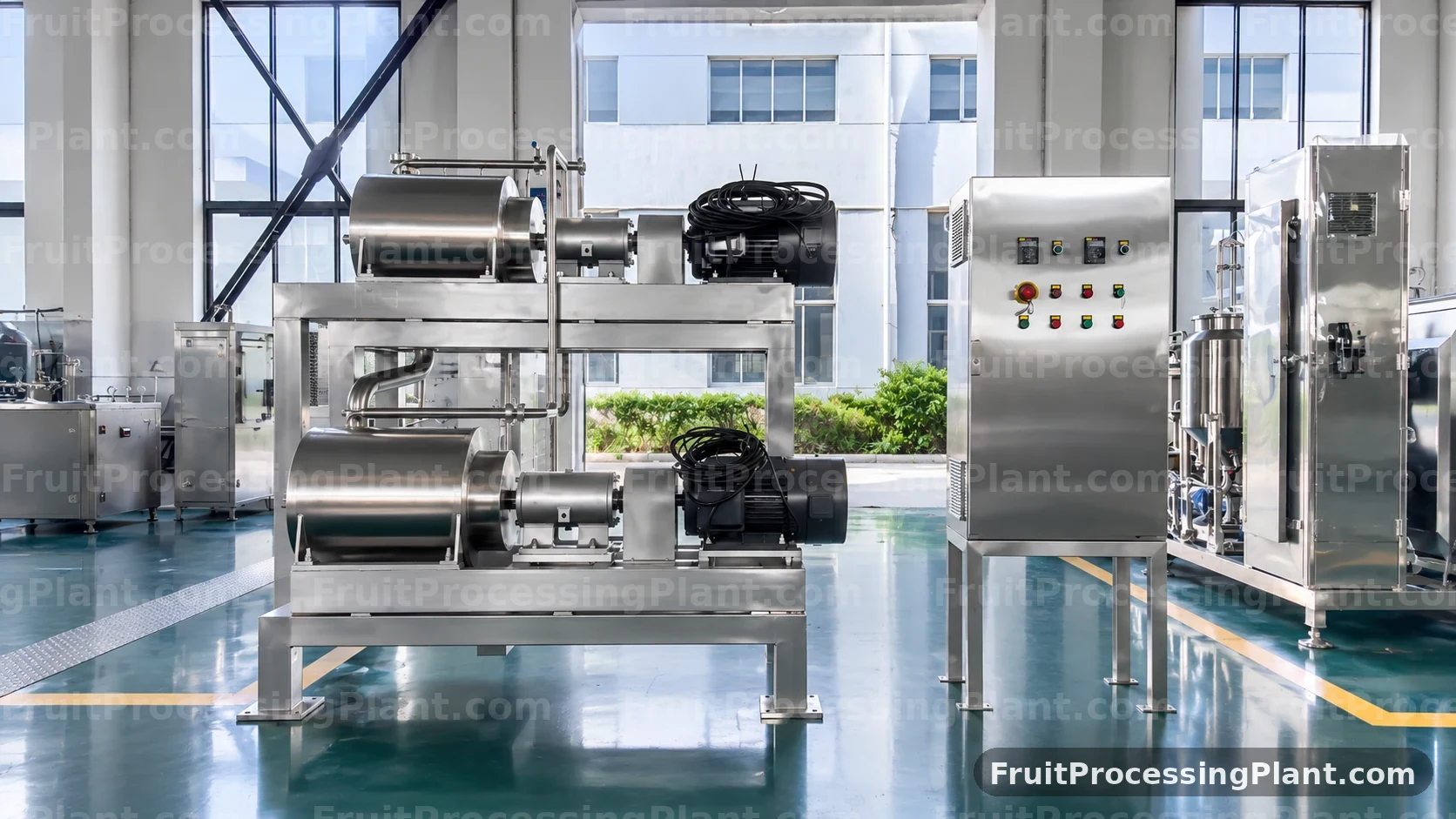
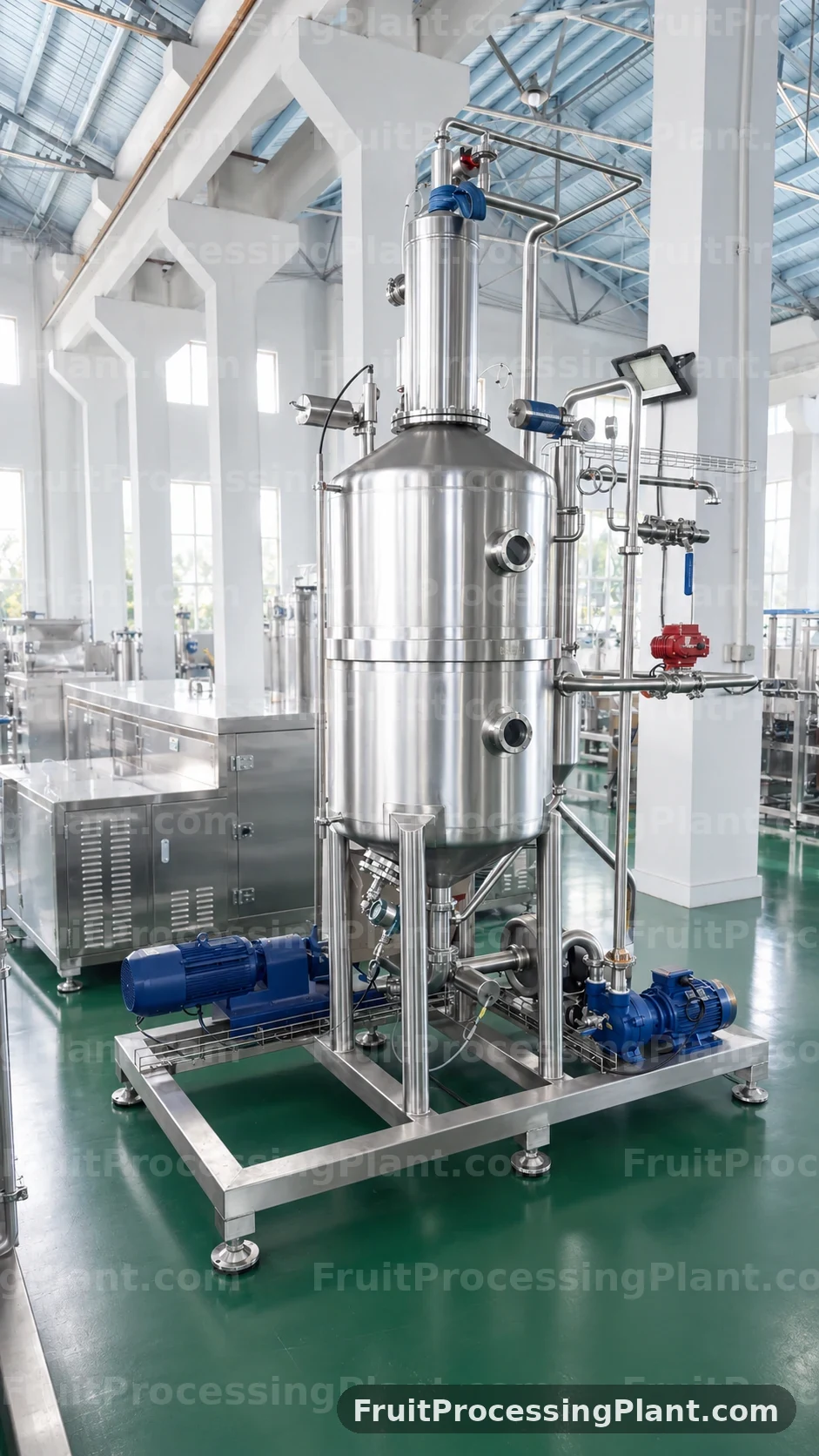
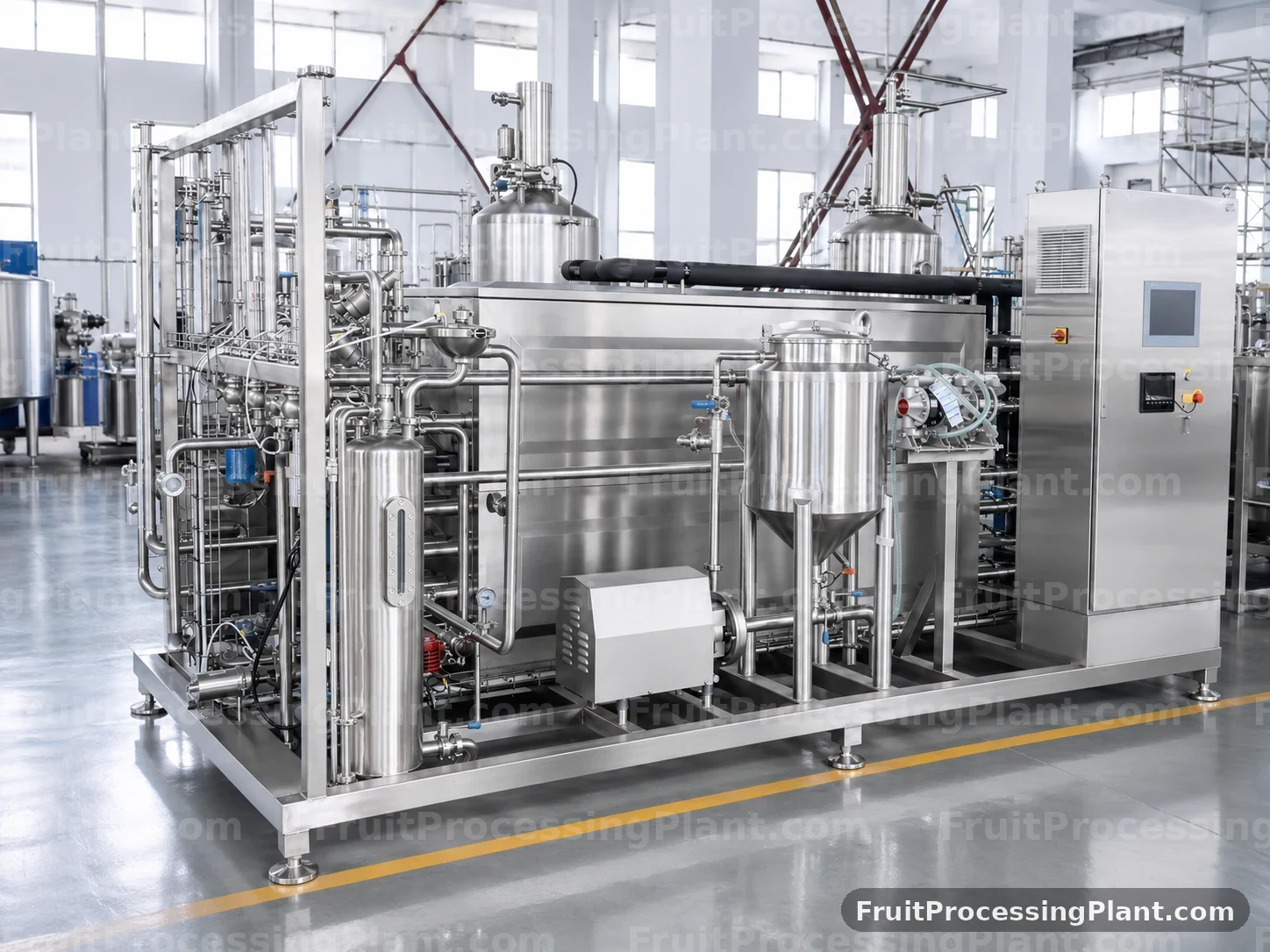
The complete scope may include washing system, hammer crusher, double-stage pulper, vacuum deaerator, tube-in-tube sterilizer and aseptic filler. Confirm steam, power, compressed air, cooling water, drainage, CIP level and automation requirement before judging price.
Key Engineering Decisions
This crop-specific review separates the main process decisions before capacity and equipment are finalized.
| Design Checkpoint | Reference Data or Decision | Effect on the Line |
|---|---|---|
| Seed and grit target | Define hard seed separation and the acceptable gritty particle level in the finished puree. | The target controls rotor condition, screen loading, refining stages and the inspection method for seed fragments. |
| Refining sequence | Select the screen opening sequence from fruit maturity, pulp yield and required texture. | Using one fine screen too early can reduce capacity, raise waste moisture and make cleaning more frequent. |
| Finished mouthfeel | Confirm puree, beverage base or nectar mouthfeel together with viscosity and fiber expectations. | The result affects blending, pumping, deaeration, tubular passage and aseptic filling behavior. |
- Evaluate coarse seed removal before fine refining rather than forcing all separation through one stage.
- Measure viscosity at a stated temperature so pump and heat-transfer decisions use comparable data.
- Review aroma exposure during preheating, deaeration and sterile holding as one connected route.
| RFQ Item | Reference Information to Provide | Engineering Reason |
|---|---|---|
| Finished products | guava puree, guava pulp, nectar base, juice base and aseptic guava ingredient | Different products may share the same front end but require different pulping, heat treatment, filling and storage logic. |
| Critical concern | hard seed separation, gritty particle control, viscosity, tropical aroma, pulp yield and tube-in-tube heat treatment | This is usually where equipment sizing, material selection, cleaning design and quality risk become different from a generic line. |
| Capacity and season | Hourly intake, operating hours per day, harvest season or frozen raw material plan. | Capacity affects buffer tanks, utility peak load, staffing, front-end width and aseptic filler size. |
| Brix, pH, viscosity and particles | Use measured data when available. If not, mark values as preliminary planning references only. | These values decide pump type, heat exchanger style, deaeration, evaporation and filling behavior. |
| Packaging and shelf life | Aseptic drum, bag-in-bin, bottle, pouch, can, jar, frozen pack or chilled distribution. | Packaging changes sterilization, filling machine, SIP/CIP scope, logistics and finished product storage. |
Related Process Modules
Compare related equipment modules before defining the line scope and RFQ inputs.
double-stage pulping machine for guava seed removaltube-in-tube sterilizer for guava pureefruit puree processing plant scope for guava routessend a production line RFQYour next engineering decision
Bring the product, site and scope together.
Start with contact details and a short requirement. Add product properties, capacity basis, packaging and utility conditions when available.