Fruitprocessingplant.com / Raw material route
Mango Processing Line
Turnkey mango processing line manufacturer for pulp, puree, juice and aseptic filling, with washing, peeling, destoning, pulping and RFQ design.
Choose the finished-product boundary
The crop-specific engineering notes below define preparation and recovery questions. Select the product and packaging separately; the same front end does not make every downstream route equivalent.
Common Engineering Problems
- Stone fragments can damage pulpers and create product safety risk.
- Over-ripe fruit raises microbial load and reduces controllability.
- Fiber can block screens, raise viscosity and complicate filling.
- Aroma and color loss occur with long holding or excessive heat exposure.
- Viscous puree needs correct pump and tube-in-tube or tubular heat exchanger selection.
- CIP must remove sticky puree from pulpers, tanks and heat exchangers.
Mango Processing Line Engineering Notes for Equipment Buyers
This section is written for RFQ preparation. Values are reference only until raw material tests, product specifications and final layout review confirm the process route.
Raw material behavior
Mango variety, size, maturity and stone ratio strongly affect yield, trimming labor, destoner selection and puree texture. Over-soft fruit also raises microbial and handling risk.
Process route logic
The route usually includes washing, sorting, peeling if required, destoning, pulping, refining, deaeration, tubular or tube-in-tube sterilization and aseptic filling.
Factory planning boundary
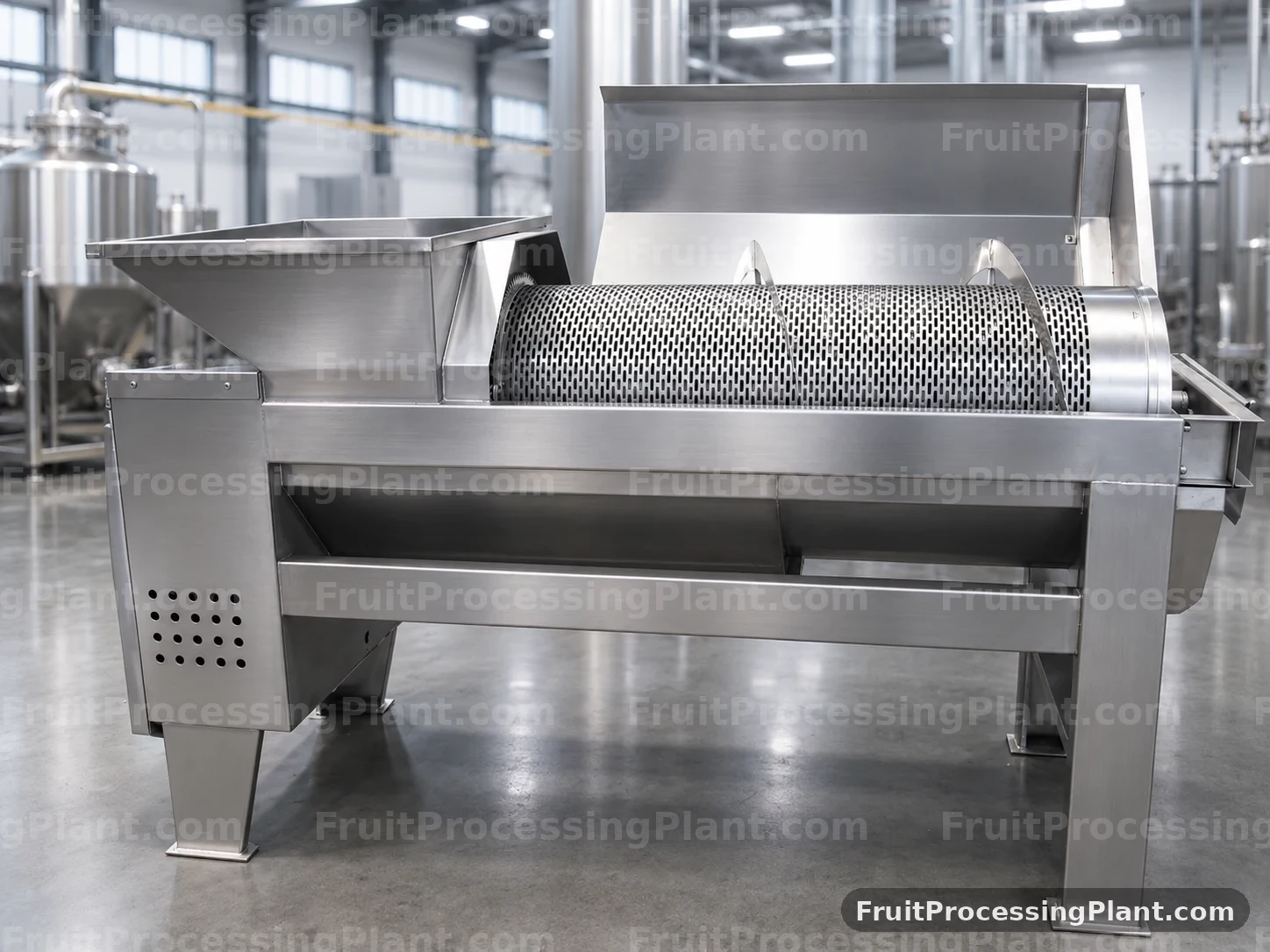
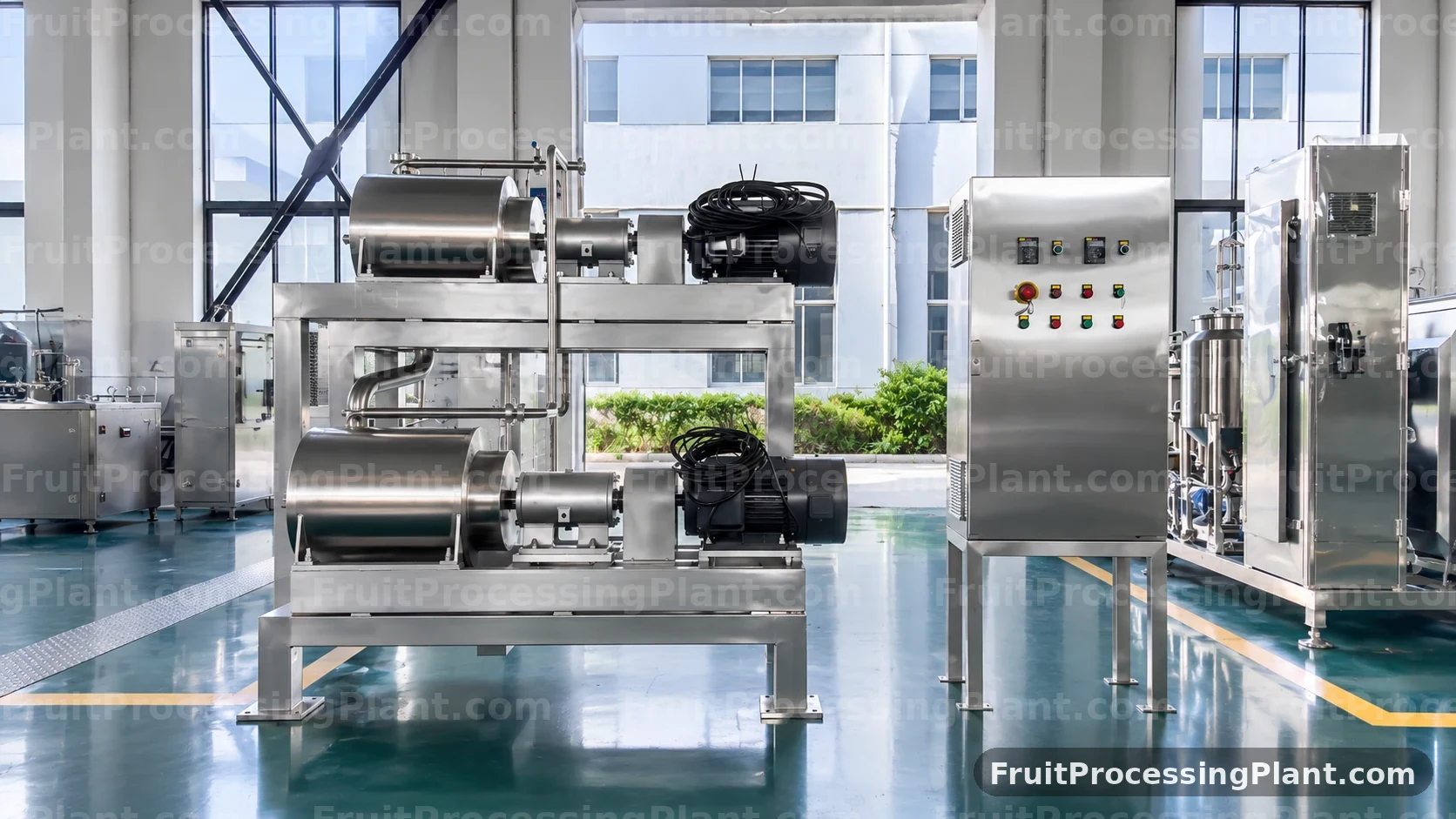
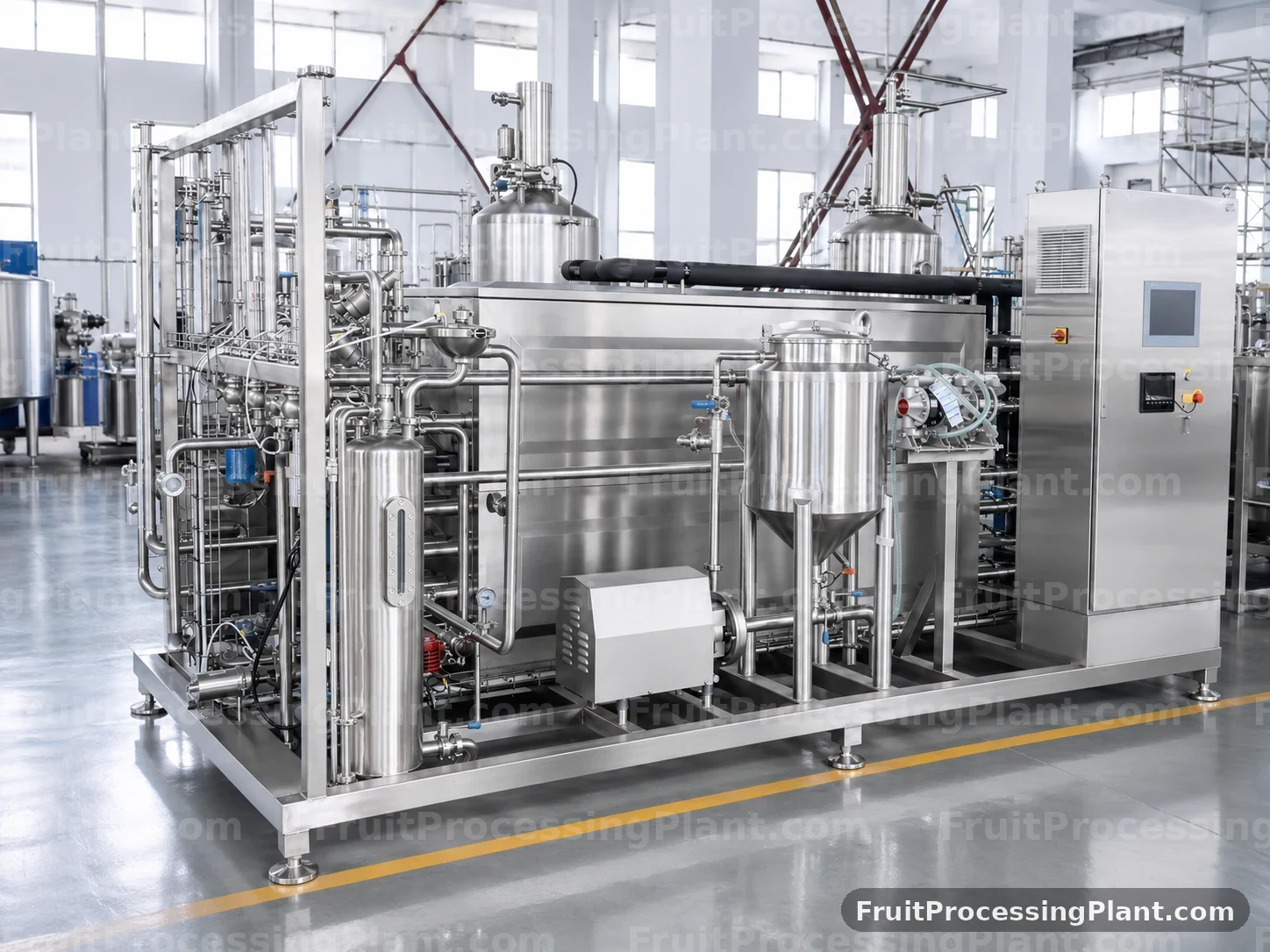
The complete scope may include washing system, mango peeling and destoning machine, double-stage pulper, vacuum deaerator, tube-in-tube sterilizer and aseptic filler. Confirm steam, power, compressed air, cooling water, drainage, CIP level and automation requirement before judging price.
Key Engineering Decisions
This crop-specific review separates the main process decisions before capacity and equipment are finalized.
| Design Checkpoint | Reference Data or Decision | Effect on the Line |
|---|---|---|
| Fruit and stone profile | Record variety, size distribution, maturity and stone-to-flesh ratio for the receiving season. | These values influence destoner geometry, trimming labor, pulp recovery and the realistic intake-to-puree balance. |
| Pulp texture | Define the refining screen sequence and whether fiber is acceptable in puree, nectar base or concentrate. | Refining changes yield, mouthfeel, waste moisture, pump selection and fouling in the thermal section. |
| Thermal feed condition | Provide viscosity at sterilization temperature together with Brix and particle data. | Viscosity at sterilization controls pressure drop, tube passage, holding behavior and aseptic filler feed stability. |
- Do not size destoning from nominal intake without checking fruit size and stone variation.
- Separate puree yield from total fruit intake when calculating sterile filling capacity.
- Review concentrate as an optional downstream branch because it changes evaporation and fouling risk substantially.
| RFQ Item | Reference Information to Provide | Engineering Reason |
|---|---|---|
| Finished products | mango pulp, mango puree, nectar base, concentrate and aseptic mango ingredient | Different products may share the same front end but require different pulping, heat treatment, filling and storage logic. |
| Critical concern | stone removal, fiber control, viscosity, tropical aroma, color retention, heat exchanger fouling and aseptic transfer | This is usually where equipment sizing, material selection, cleaning design and quality risk become different from a generic line. |
| Capacity and season | Hourly intake, operating hours per day, harvest season or frozen raw material plan. | Capacity affects buffer tanks, utility peak load, staffing, front-end width and aseptic filler size. |
| Brix, pH, viscosity and particles | Use measured data when available. If not, mark values as preliminary planning references only. | These values decide pump type, heat exchanger style, deaeration, evaporation and filling behavior. |
| Packaging and shelf life | Aseptic drum, bag-in-bin, bottle, pouch, can, jar, frozen pack or chilled distribution. | Packaging changes sterilization, filling machine, SIP/CIP scope, logistics and finished product storage. |
Related Process Modules
Compare related equipment modules before defining the line scope and RFQ inputs.
mango pulp processing plant system scopemango processing line cost factorsmango peeling and destoning machinesend a production line RFQEngineering Factors for Mango Processing Line
The review checks destoning, pulp recovery, fiber refining, oxidation control, viscous-product sterilization and aseptic packaging as one mango-specific route.
Use these checkpoints for early project evaluation. Final equipment selection requires confirmed product data, utility conditions and process requirements.
Key Engineering Factors
- Stone-to-flesh ratioFruit variety, stone size and maturity influence destoner geometry, pulp yield and trimming labor.
- Refining sequenceScreen openings and stage count balance fiber reduction against useful pulp recovery and waste moisture.
- Viscous thermal sectionMeasured viscosity, Brix and particles determine pump, heat exchanger and sterile transfer requirements.
Mango Processing Line Questions Buyers Ask Before RFQ
Direct answers below explain the decisions that change process scope, equipment selection and quotation quality.
What mango data is needed to select a destoning machine?
Provide mango variety, average size, size distribution, maturity, stone shape and expected intake. A sample or clear section photographs are useful when varieties differ from common references. Destoner settings affect stone breakage, pulp left on the stone, downstream fiber load and the realistic mass balance from fresh mango to puree.
Does mango puree require single-stage or double-stage pulping?
A single stage may be sufficient when destoning is clean and the required puree texture allows more fiber. Double-stage pulping is considered when coarse separation and finer refining should be controlled separately. Screen opening, rotor speed, maturity and target mouthfeel must be balanced because over-refining can reduce useful yield and increase waste moisture.
How is oxidation reduced during mango pulp production?
Reduce oxidation by limiting open holding, avoiding unnecessary splashing, using closed transfer after pulping and matching tank residence time to line flow. Vacuum deaeration and timely heat treatment may support color and aroma retention. The exact sequence depends on recipe, pH, viscosity and whether the product is puree, nectar base or concentrate.
Why may mango puree need a tube-in-tube sterilizer?
Tube-in-tube sterilization is considered when mango puree has viscosity, fiber or particles that make narrow passages and plate channels unsuitable. The decision depends on viscosity at processing temperature, particle dimensions, pressure drop, holding time and cleaning behavior. Low-viscosity mango juice may use a different heat exchanger after engineering review.
Which packaging formats are common for industrial mango pulp?
Industrial mango pulp is often discussed for aseptic bags in drums or bins when ambient bulk storage and ingredient distribution are required. Retail bottles, pouches or cans use a different filling and post-treatment route. Package size, storage condition, shelf-life target and customer handling system should be confirmed before sterilizer and filler selection.
Your next engineering decision
Bring the product, site and scope together.
Start with contact details and a short requirement. Add product properties, capacity basis, packaging and utility conditions when available.