Plant intent
This page focuses on the complete mango pulp factory system, from receiving fresh mangoes to aseptic drum filling and utility planning. It is different from the process-route page because it treats the plant as a full production site.
This page focuses on the complete mango pulp factory system, from receiving fresh mangoes to aseptic drum filling and utility planning. It is different from the process-route page because it treats the plant as a full production site.
Use the mango processing line process route for process logic, then use this page to define the full factory scope.
This page focuses on the complete mango pulp factory system, from receiving fresh mangoes to aseptic drum filling and utility planning. It is different from the process-route page because it treats the plant as a full production site.
This page is for buyers who need a complete plant configuration with equipment, utilities, packaging, installation and commissioning interfaces, rather than a generic machine list.
After the system boundary is clear, review mango processing line cost factors to understand quotation drivers before sending RFQ data.
complete mango pulp factory system. The values below are reference only for early discussion and must be confirmed with project data.
| Plant Area | Typical Reference Only | Why It Matters |
|---|---|---|
| Finished products | Mango pulp, puree, nectar base, juice base and optional concentrate. | Product target decides pulper screens, deaeration, heat treatment and filling. |
| Capacity planning | Reference only: define mango intake, fruit size, ripeness, stone ratio and shift hours. | Mango yield and manual trimming assumptions strongly change the plant balance. |
| Packaging options | Aseptic bag-in-drum, bag-in-bin, pouch, jar or bulk tank. | Aseptic bulk needs sterilizer, sterile transfer, SIP and drum handling together. |
| Installation boundary | Washing, destoning, pulping, tanks, sterilization, filling, CIP, PLC and utilities. | A turnkey plant quotation must include the interfaces between each system. |
Each system should be selected from finished product, capacity, sanitary target, packaging and utility conditions.
Fruit ripeness and skin condition control washing intensity, sorting labor and holding time. The front end should prevent stones, sand and rotten fruit from entering high-value pulp equipment.
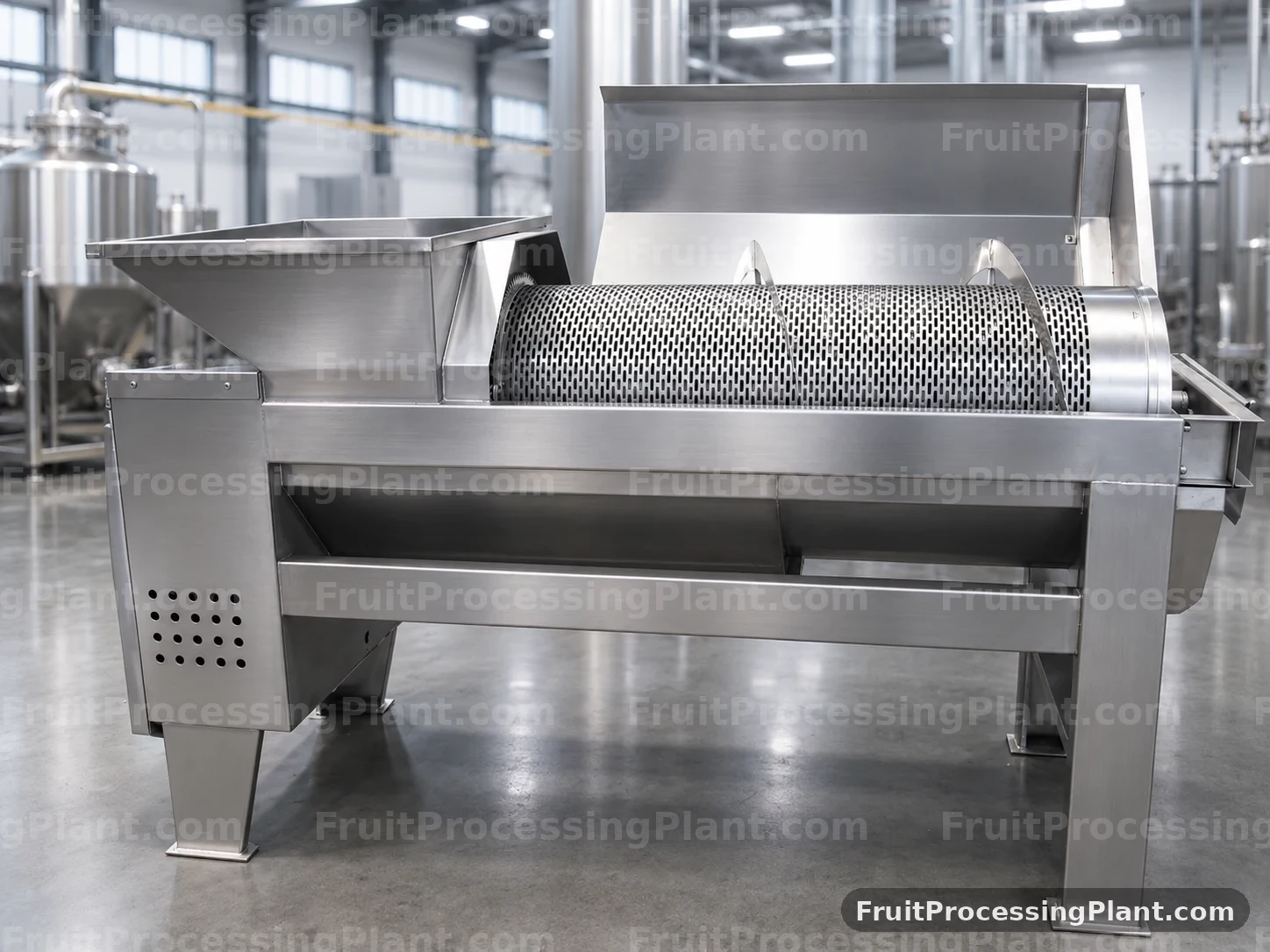
Mango pulp plants often need peeling, destoning, pulping and refining. The double stage pulping machine controls fiber, stone fragments and particle size before deaeration.
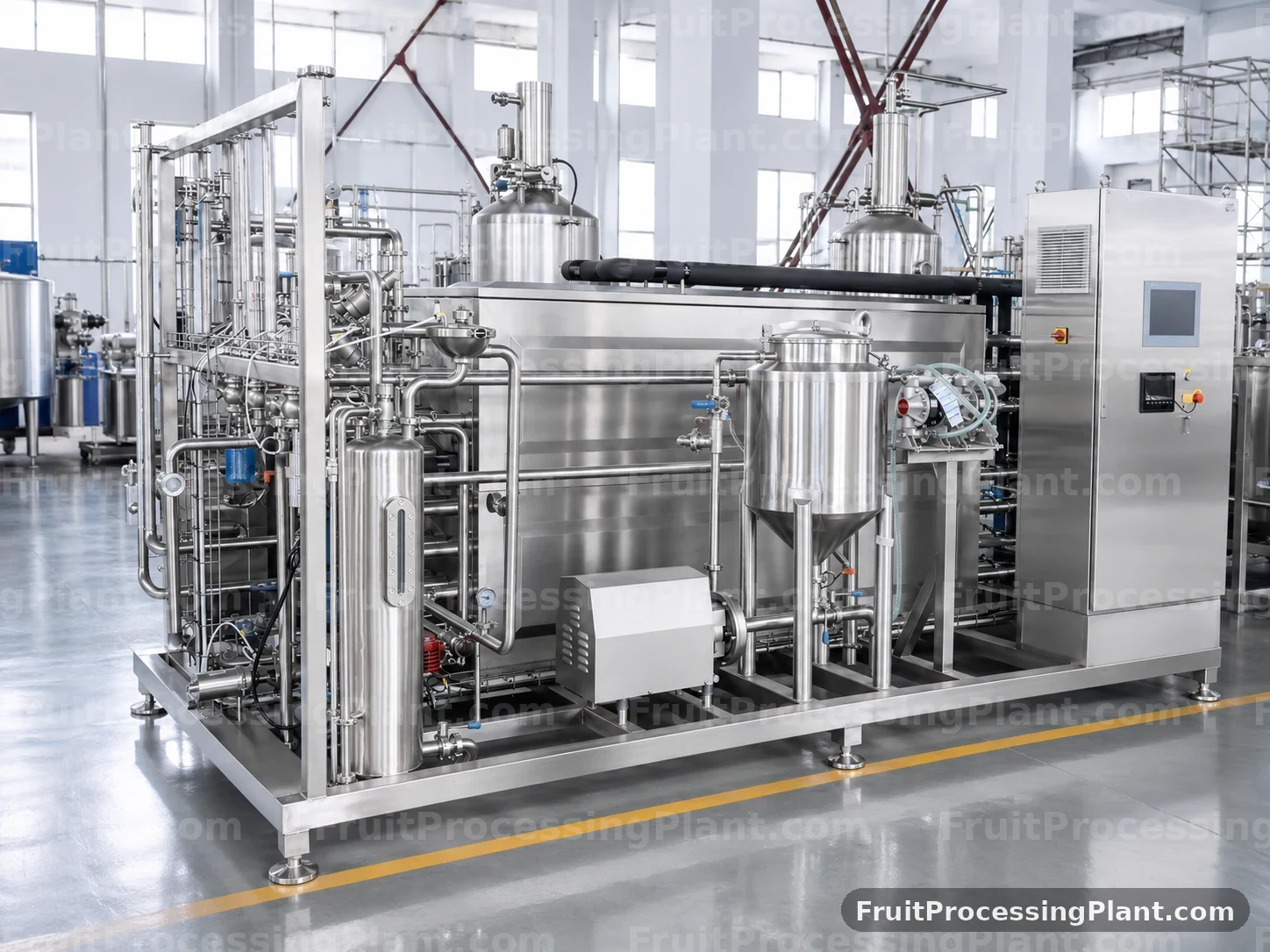
Mango puree is viscous and oxygen-sensitive. Vacuum deaeration and tubular heat treatment help protect color, flavor and filling stability while matching sanitary requirements.
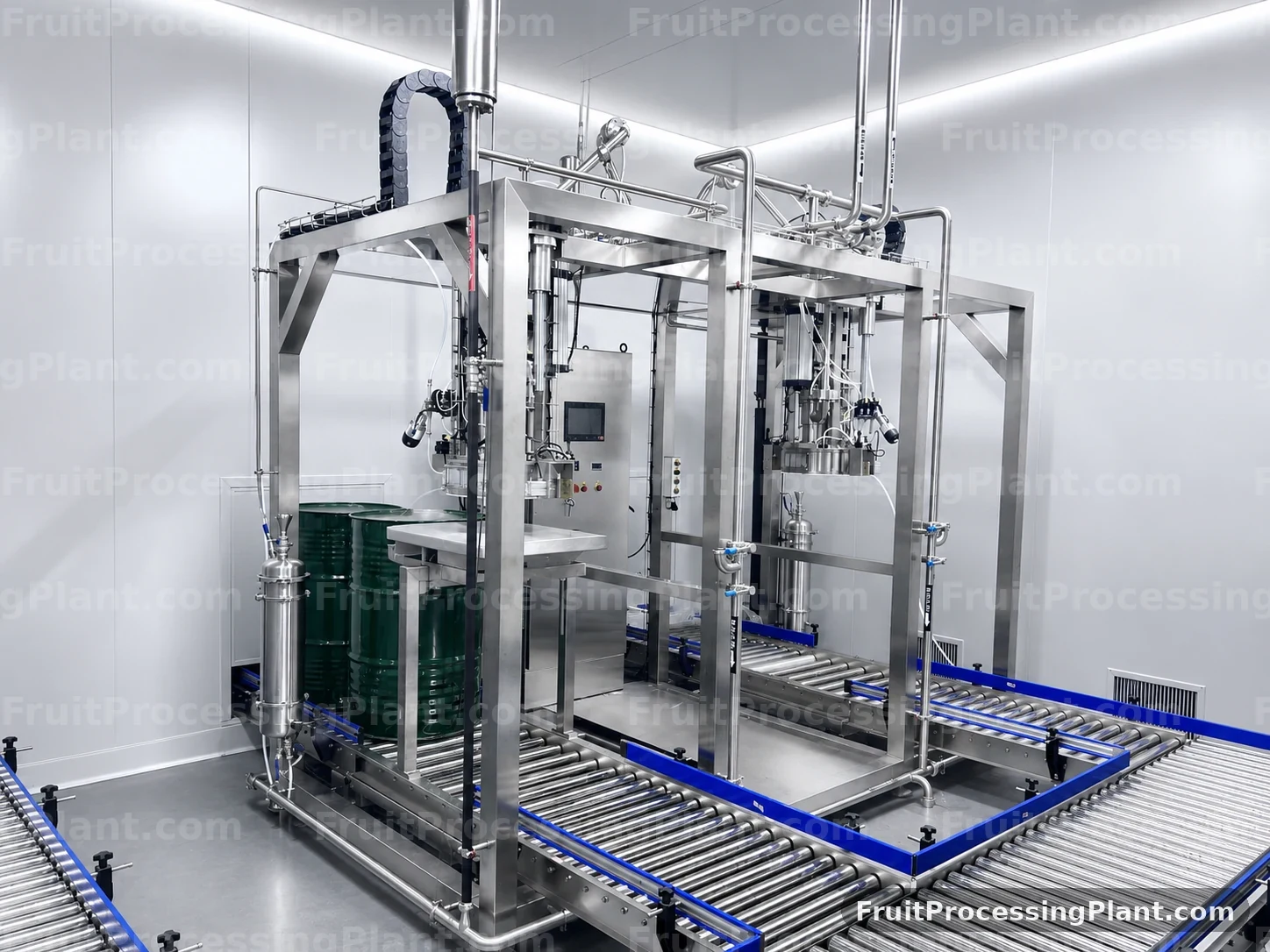
Aseptic bag filling is common for bulk mango pulp. CIP circuits should handle sticky puree, fibers and heat deposits so campaign operation stays reliable.
If the buyer wants mango pulp or puree, prioritize destoning yield, fiber control and tubular sterilization. If the buyer wants nectar base or concentrate, add blending or evaporation discussion. Do not select an aseptic filler before the sterilizer, sterile transfer and packaging size are defined.
The review addresses complete mango factory scope from fruit reception and destoning through viscous transfer, aseptic bulk packaging, utilities, waste handling and commissioning.
Use these checkpoints for early project evaluation. Final equipment selection requires confirmed product data, utility conditions and process requirements.
Direct answers below explain the decisions that change process scope, equipment selection and quotation quality.
Capacity should start with fresh-mango intake and include rejected fruit, peel, stones, refining waste and cleaning time. Engineers then calculate pulp flow to tanks, thermal treatment and the aseptic filler. Operating hours, harvest length, fruit maturity and package change time are required to estimate daily and seasonal finished-pulp output realistically.
The main solid streams are rejected fruit, peel, stones and fibrous refining residue. The plant also produces wash water and CIP effluent. Their quantity and handling route affect conveyors, collection areas, drainage and wastewater treatment. Local disposal or by-product plans should be confirmed before the equipment layout and floor levels are finalized.
Buffer volume depends on pulper output, sterilizer flow, filler availability, product holding limit and cleaning schedule. Excessive storage can increase oxidation and product residence time, while insufficient storage makes small interruptions stop the upstream line. Tank agitation, cooling or temperature control and CIP access must be included in the volume decision.
The aseptic section may require clean steam or another sterile service, compressed air of suitable quality, reliable cooling, electrical power and controlled cleaning media according to the filler design. The exact requirement depends on sterilizer and filler configuration. Utility quality, pressure and connection points should be documented before installation drawings are released.
Acceptance planning should define fresh-fruit condition, run duration, intake rate, pulp yield, product Brix, viscosity, screen result, sterilization parameters, package integrity and cleaning sequence. Results depend on the agreed fruit sample and operating conditions. FAT and site trials should use written criteria rather than relying only on whether individual machines start.
Send RFQ for Mango Pulp Processing Plant: raw material, finished product, capacity, Brix, viscosity, packaging, utilities, factory layout, automation requirement and timeline.