
No fixed public price
Different finished products, capacities, packaging routes and automation levels require different configurations, so a responsible quote needs RFQ data.
mango line cost is affected by peeling, destoning, pulp yield, viscosity and aseptic filling scope. Any values discussed before engineering confirmation are reference only and should not be treated as a public price list.
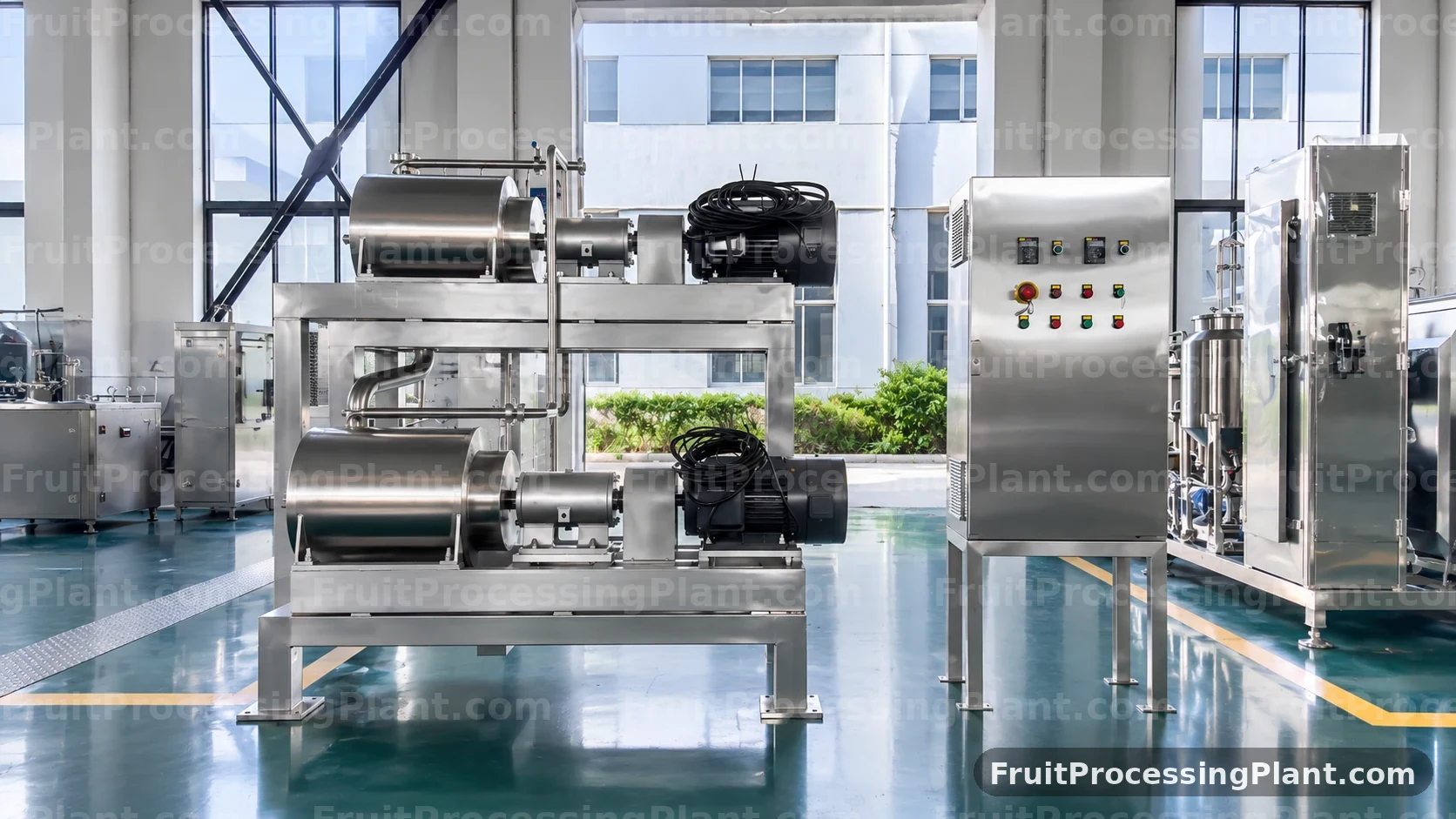
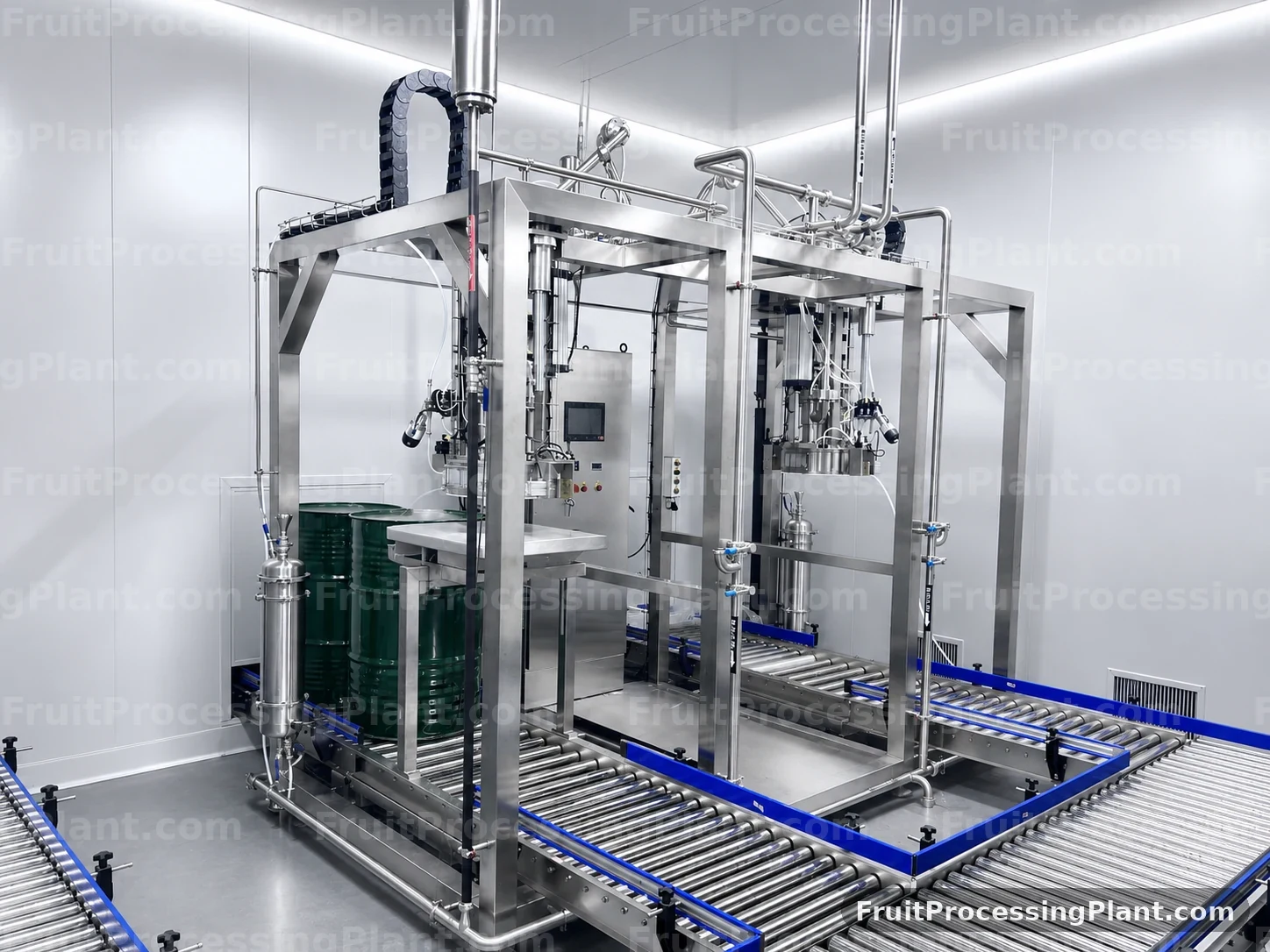
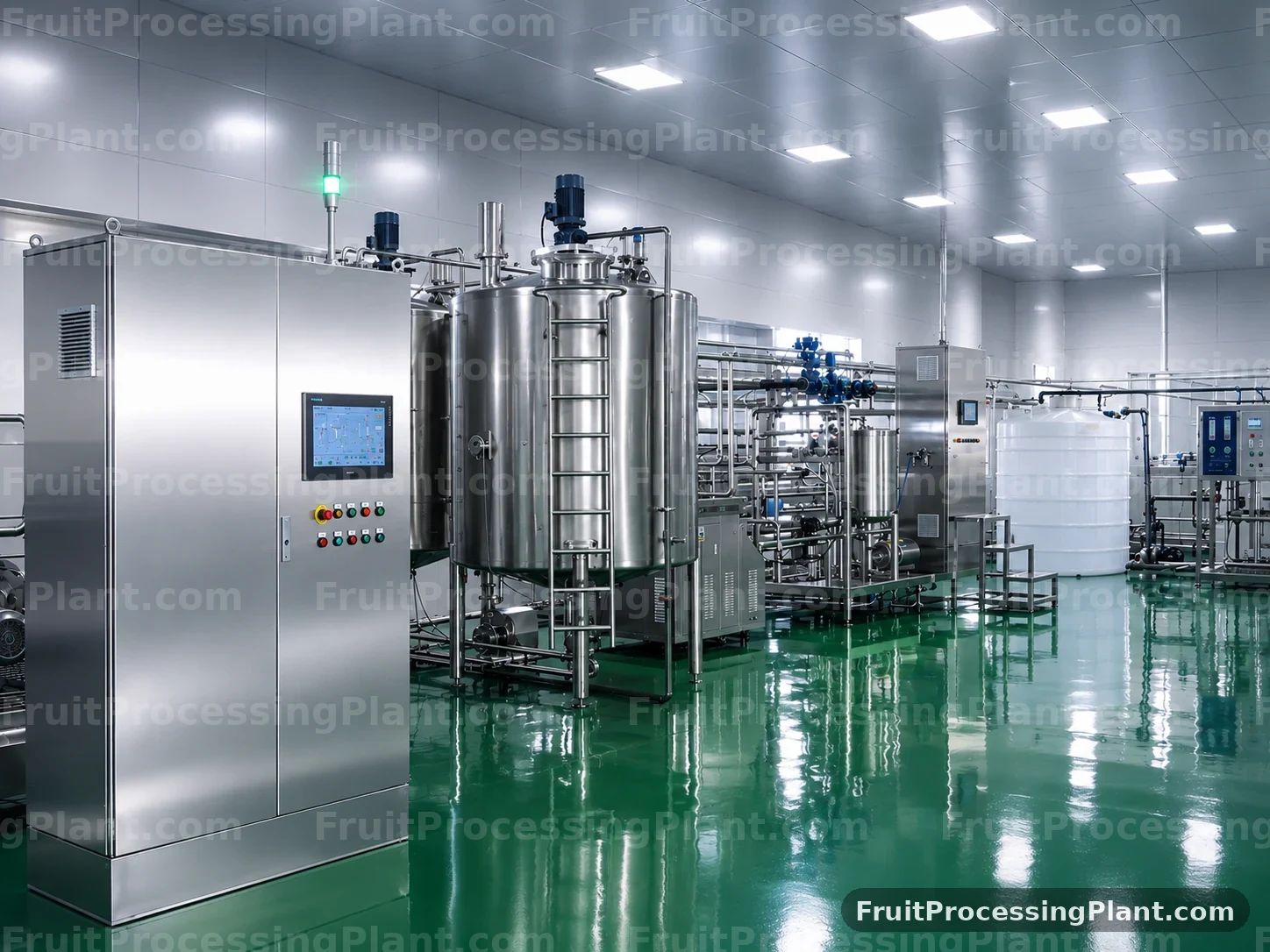
Use the mango processing line for process flow and the mango pulp processing plant for complete plant scope. This guide focuses on the inputs that change a quotation.
Different finished products, capacities, packaging routes and automation levels require different configurations, so a responsible quote needs RFQ data.
All planning notes here are reference only. A formal quotation should be based on raw material, finished product, capacity, Brix, viscosity, packaging, utilities and layout.
The goal is to help buyers avoid comparing incomplete quotations and to send enough data for engineers to build a practical line configuration.
A mango quote should separate the fruit preparation section from the aseptic puree section. Cutting cost from destoning, pulping or CIP often creates yield loss, fiber problems or cleaning downtime.
| Cost Driver | Typical Reference Only | Why It Changes Quotation |
|---|---|---|
| Raw mango condition | Fruit size, ripeness, stone ratio, defects and trimming method. | Yield and front-end labor can change the practical capacity. |
| Peeling, destoning and pulping | Manual or mechanical preparation, destoning, double stage pulping and refining. | This is the core of mango pulp quality and cost. |
| Viscosity and heat treatment | Vacuum deaeration, tubular sterilization, pumps and holding tubes. | Thick puree requires different heat transfer and cleaning logic. |
| Packaging | Aseptic bag-in-drum, bag-in-bin, pouch or jar. | Bulk aseptic filling changes sterilizer, SIP and sterile transfer scope. |
Cutting the wrong module can reduce yield, shelf life or cleaning reliability. Confirm the finished product and sanitary route before simplifying the equipment scope.
Future flexibility can be useful, but every future route may add valves, tanks, screens, CIP circuits or controls. Mark future items separately in the RFQ.
Steam, cooling water, compressed air, power and drainage can change equipment size, layout and installation. Utility limits should be shared before final quotation.
The review isolates mango-specific quotation drivers including fruit preparation, destoning yield, refining, viscous transfer, aseptic filling, seasonal operation and waste handling.
Use these checkpoints for early project evaluation. Final equipment selection requires confirmed product data, utility conditions and process requirements.
Direct answers below explain the decisions that change process scope, equipment selection and quotation quality.
Mango size, stone shape, maturity and stone-to-flesh ratio strongly influence preparation, destoning and pulp yield. Variable fruit may require grading, manual trimming or flexible settings. These characteristics also change waste handling and pulper load. A representative fruit sample gives a more useful quotation basis than variety name alone.
Higher recovery may require better grading, optimized destoning, additional refining or controlled waste reprocessing, but equipment count is not the only factor. Excessive recovery can introduce fiber, stone fragments or undesirable texture. The cost discussion should balance saleable pulp quality, yield, waste moisture, cleaning time and energy rather than maximize one percentage.
Higher viscosity can require positive-displacement pumps, larger product passages, lower pressure-drop design, tube-in-tube heat treatment and compatible aseptic filler valves. It may also increase installed power and cleaning time. Provide viscosity with test method and temperature because an unsupported adjective such as thick cannot be used for reliable equipment sizing.
A phased project may start with washing, destoning, pulping and non-aseptic packaging, then add concentration or aseptic filling later. The first phase should reserve tank connections, utility capacity, floor space and PLC expansion. Otherwise later integration can cost more than designing the future hygienic and mechanical interfaces from the beginning.
Quotations may exclude civil works, boiler, water treatment, refrigeration, wastewater treatment, interconnecting piping, local platforms, installation labor, packaging materials or international freight. They may also separate FAT and commissioning. Buyers should request a responsibility matrix so the equipment price is not mistaken for the complete installed project cost.
For Mango Processing Line Cost, send raw material, finished product, capacity, Brix, viscosity, packaging format, utility conditions, factory layout, automation requirement and project timeline.