
Purchasing scenario
Suitable for B2B buyers comparing a complete industrial line, a new product route, an expansion line or a replacement of key process modules.
Specify fresh tomato intake, target paste or sauce Brix, package and operating schedule to define the line scope.
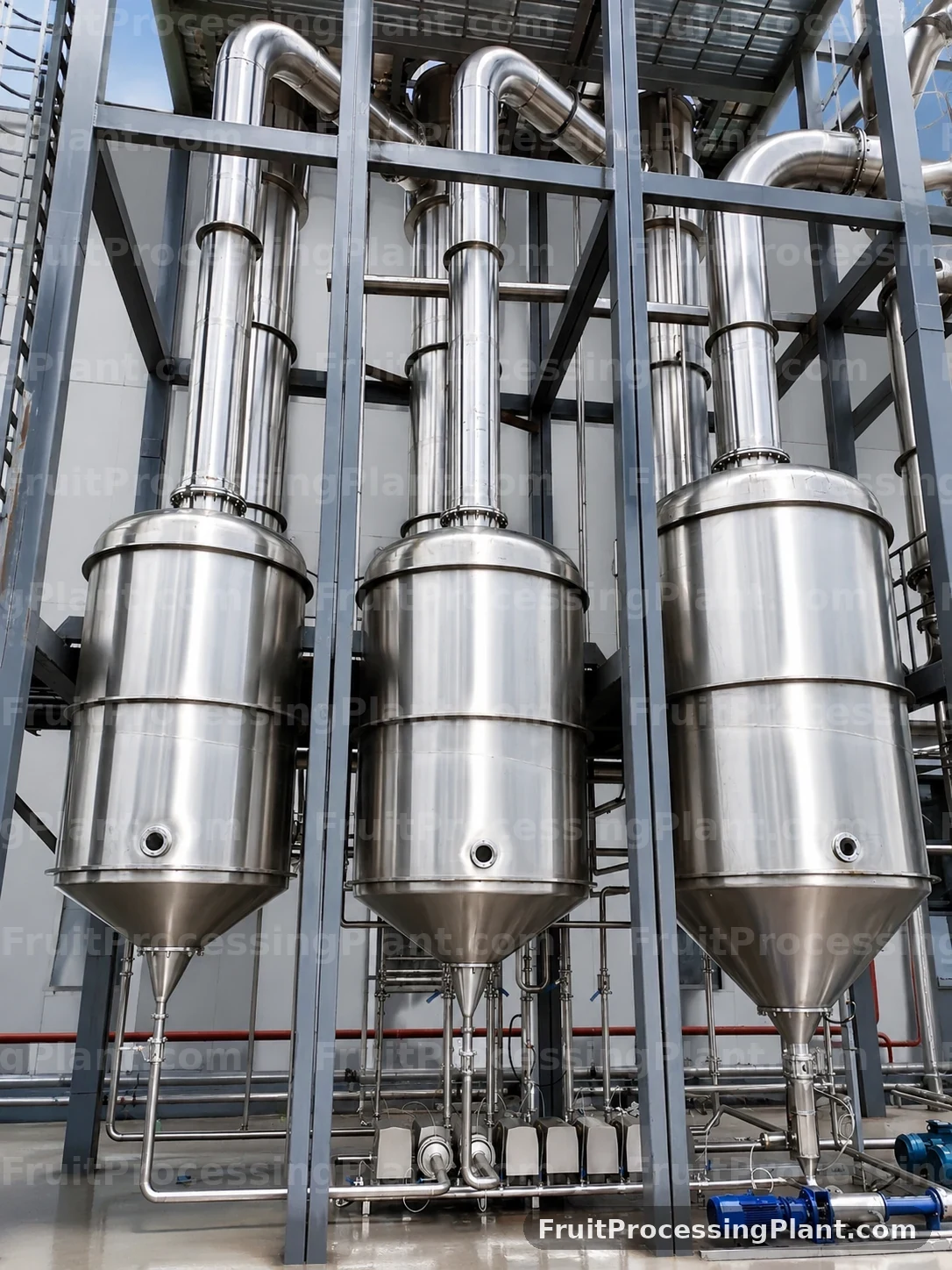
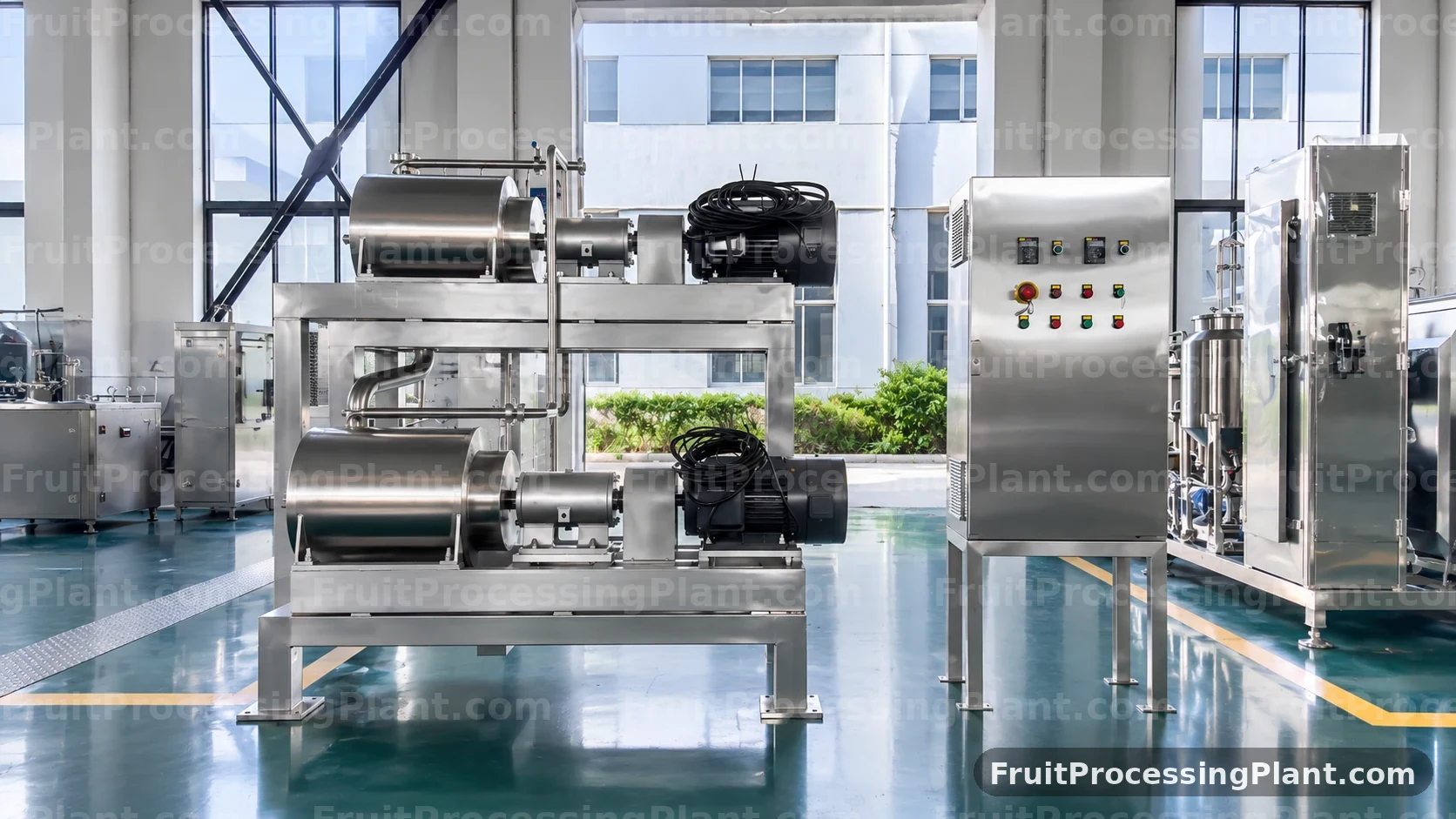
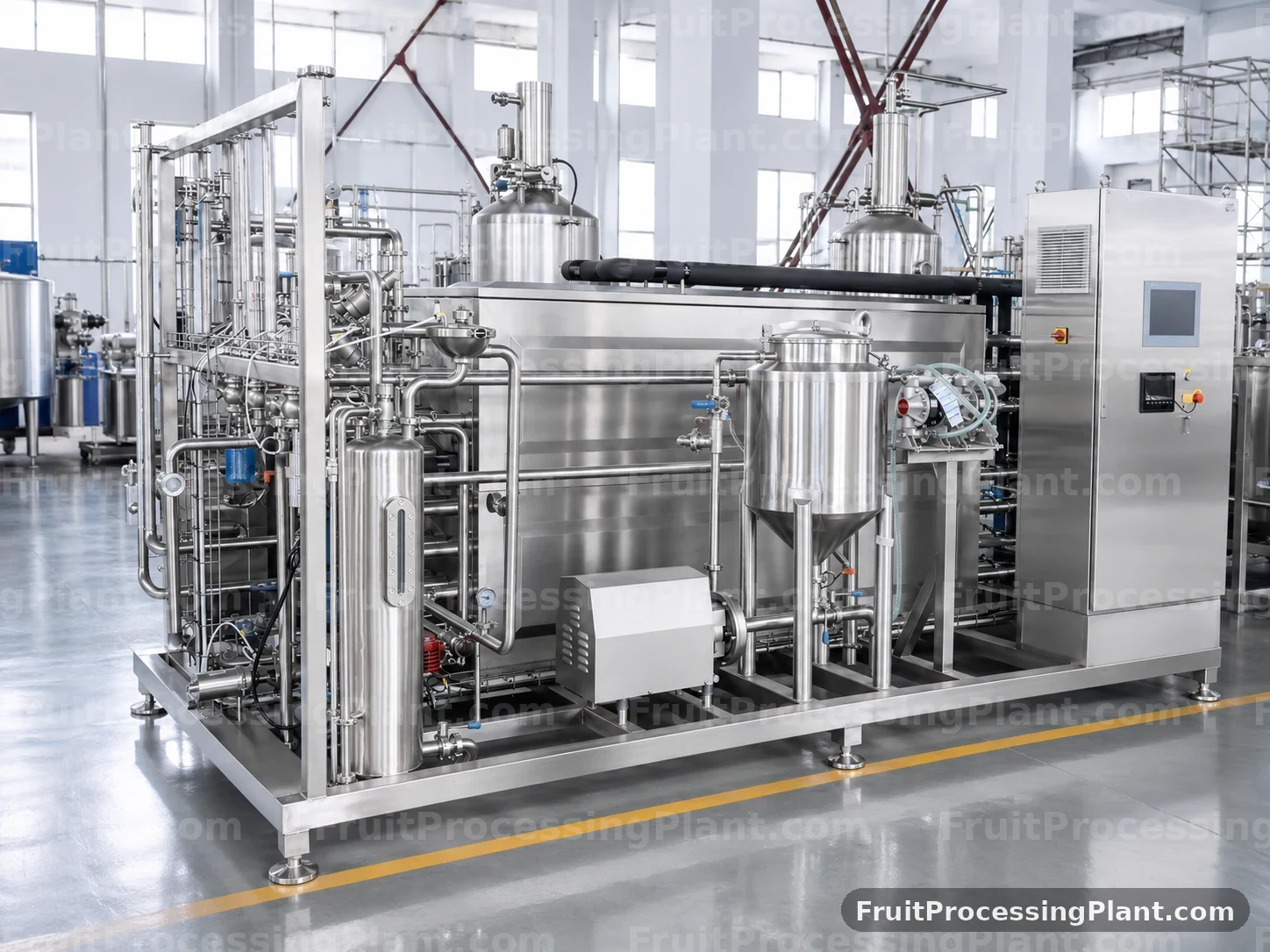
We manufacture turnkey tomato processing lines for tomato paste, puree, sauce, ketchup, passata-style product and aseptic bulk ingredient production. The complete line can include raw tomato receiving, washing, sorting, crushing, hot break or cold break, pulping, refining, evaporation, sterilization, aseptic filling, CIP and PLC control. Equipment selection is driven by finished product viscosity, Brix target, color, seed/skin control, packaging format and utility conditions.
Suitable for B2B buyers comparing a complete industrial line, a new product route, an expansion line or a replacement of key process modules.
Typical reference only for preliminary planning: 1-10 t/h fresh tomato intake; confirm with harvest window and operating hours.
The line can include receiving, washing, sorting, extraction, tanks, deaeration, heat treatment, evaporation when required, filling, CIP, utilities and PLC control.
Use the finished product table to separate process routes before asking for quotation.
| Finished Product | Process Route | Packaging Option | Key Engineering Concern |
|---|---|---|---|
| Tomato paste | Wash, sort, crush, hot break, pulp, evaporate, sterilize | Aseptic bag-in-drum or bag-in-bin | Viscosity, target Brix, color retention and evaporator fouling |
| Tomato puree | Wash, sort, crush, heat, pulp, refine and sterilize | Aseptic bag, pouch, bottle or drum | Seed/skin removal, texture, particle size and thermal load |
| Tomato sauce base | Puree preparation, blending-ready sterilization and filling | Aseptic bulk, pouch, jar or bottle | Recipe interface, acidity, viscosity and hygienic transfer |
| Tomato juice base | Cold break or mild heating, pulping, deaeration and pasteurization | Bottle, carton or aseptic bulk | Serum separation, flavor protection and lower solids handling |
Reference route: Fresh tomato receiving → washing → sorting → crushing → hot break or cold break preheating → pulping and refining → evaporation to target Brix → sterilization → aseptic bag-in-drum filling or retail filling → CIP.
Receive tomatoes during the harvest window and record variety, maturity, defect level, delivery temperature and expected campaign hours before sizing the front end.
Remove field soil, stems and foreign matter with water circulation, spray and inspection access designed for seasonal peak intake.
Reject rotten, green, damaged and foreign materials before crushing so color, flavor, seed load and microbial risk remain under control.
Crush tomatoes consistently before thermal preparation. The crusher should feed the hot break or cold break section without long holding or oxidation.
Hot break supports higher viscosity for paste and sauce bases; cold break supports lower-viscosity juice or passata-style routes. Temperature and residence time drive texture.
Pulping removes skins and seeds while refining controls particle size, black specks and final mouthfeel before concentration or sterilization.
Evaporation is central for tomato paste. Feed Brix, target Brix, viscosity increase, color retention and fouling behavior decide evaporator type and utility demand.
Use tubular or tube-in-tube heat treatment for viscous tomato products and align holding time with pH, Brix, particles and packaging route.
Aseptic bulk filling is common for paste and puree ingredients; retail filling changes the thermal and packaging interface.
Plan CIP for pulp, seed residues and evaporator deposits. Cleaning access and turnaround time are important in campaign-style tomato production.
Each equipment module below should be confirmed from product data, layout, sanitary target and utility conditions.
The washing and sorting system removes soil, leaves, stones, damaged fruit and unstable raw material before extraction. It normally combines soaking, bubble washing, brush washing or spray washing with inspection conveying. For tomato processing line, this section protects downstream pulpers, pumps and heat exchangers from foreign material. It also gives operators a practical quality-control point before high-value processing begins.
Tomato projects need crushing and thermal preparation matched to hot break or cold break goals. A pulping and refining section removes seeds and skins, controls particle size and protects texture. For paste, the pulper must feed the evaporator with stable solids and limited coarse particles. The buyer should provide product viscosity target, screen preference if known, and whether the line will also feed sauce blending.
A vacuum deaerator removes entrained air before sterilization or filling. This helps reduce oxidation, foaming and color loss, especially in juice, puree and nectar-base products. Deaeration must be selected by viscosity, temperature, flow rate and whether the product contains pulp. It is not only a quality device; it also stabilizes downstream filling behavior.
An evaporator is only required when the buyer wants concentrate, higher solids storage or ingredient density. A falling film evaporator is considered for lower-viscosity juice streams, while a forced circulation evaporator may be discussed for viscous or fouling-prone products. The RFQ should include feed Brix, target Brix, viscosity, heat sensitivity and cleaning interval expectations.
Heat treatment is selected from product viscosity, pulp content, particle size, pH and packaging route. A plate sterilizer can suit low-viscosity juice, while a tubular sterilizer or tube-in-tube sterilizer is used when pulp, fiber or viscosity increases. Sterilizer sizing should consider holding time, fouling behavior, CIP access and filling temperature.
An aseptic filling machine is used when the finished product needs shelf-stable bulk packaging in bags, drums or bins. It must be planned together with the sterilizer, sterile transfer line and SIP logic. For higher throughput, a double-head aseptic filling machine can be discussed. Packaging size, cap type, bag specification and filling temperature should be confirmed before quotation.
The CIP system cleans product-contact surfaces such as tanks, heat exchangers, pulpers, pipelines and fillers. Fruit products may leave sugar, fiber, seed residue, pectin, pulp or heat deposits, so cleaning circuits should be planned by soil type and sanitary risk. CIP design affects pipe routing, valve groups, water demand, chemical dosing and downtime between products or shifts.
A PLC control system connects process modules into a stable production sequence. It can manage pump interlocks, tank levels, sterilizer temperature, filling readiness, CIP recipes and alarms. Automation level should be defined by operator skill, batch traceability, data recording and whether the buyer needs recipe management. It is a quotation item, not an afterthought.
Values marked as typical reference only are for preliminary planning and must be confirmed by sample tests, buyer specifications and final engineering review.
| Parameter | Typical Reference | Why It Matters |
|---|---|---|
| Raw material | Fresh tomatoes, sorted tomato lots, tomato material for paste/puree/sauce base | Variety, maturity, defect level and receiving condition affect washing, yield and quality. |
| Finished product | Juice, puree, pulp, concentrate, nectar base or aseptic bulk product as applicable. | The finished product determines extraction, heat treatment, filling and utility scope. |
| Capacity | Typical reference only for preliminary planning: 1-10 t/h fresh tomato intake; confirm with harvest window and operating hours. | Throughput drives equipment size, buffer tanks, utility demand and floor layout. |
| Initial Brix | Typical reference only for preliminary planning: tomato soluble solids often vary around 4-6 Brix; confirm by raw material test. | Feed Brix affects mass balance, evaporation load and finished product standardization. |
| Target Brix | Define paste, puree, sauce base or juice target. Paste concentration must be stated by buyer and confirmed by product specification. | Target Brix determines whether concentration, dilution or blending is required. |
| Viscosity | Hot break usually supports higher viscosity; cold break is closer to lower-viscosity juice or passata routes. | Viscosity changes pump type, heat exchanger choice, deaeration and filling speed. |
| Fiber / seed / particle requirement | Seed, skin and black speck limits determine pulper screen, refining and inspection requirements. | Particle limits determine pulper screens, refining stages and sterilizer type. |
| Heat treatment | Pasteurization, UHT, tubular, plate or tube-in-tube route to be confirmed from product and packaging. | Thermal process protects shelf life but can affect color, aroma and fouling. |
| Packaging | Bottle, pouch, can, jar, aseptic bag-in-drum, bag-in-bin or bulk tank. | Packaging affects filling machine, sterilization logic and storage conditions. |
| Steam | Confirm available pressure, capacity and boiler condition. | Steam shortage limits preheating, sterilization, evaporation and CIP. |
| Power | Confirm voltage, phase, frequency and installed power limit. | Electrical design affects motors, controls, pumps and installation cost. |
| Compressed air | Confirm pressure, dryness and air capacity. | Air is needed for pneumatic valves, filling machines and control instruments. |
| Cooling water | Confirm cooling tower, chilled water or process water availability. | Cooling capacity affects pasteurizer balance, filling temperature and product stability. |
| CIP | Define manual cleaning, semi-auto CIP or automatic CIP circuits. | Cleaning design affects hygiene, downtime, labor and long-term operating reliability. |
Choose hot break when paste body and viscosity are central to the commercial specification. Choose cold break when the target is lower viscosity, fresher flavor or juice-style product. Use viscosity-tolerant evaporation when product thickens quickly, and decide aseptic filling early because it changes sterilization, SIP and drum handling.
Low-viscosity juice, pulpy puree and concentrated product do not use the same heat exchanger or holding logic. Confirm pH, viscosity, particles, packaging and shelf-life target before selecting plate, tubular or tube-in-tube sterilization.
Steam, cooling water, compressed air, power and CIP should be sized with the route. A line that is mechanically complete can still fail in operation if cleaning time, utility peak load or buffer capacity is underestimated.
These links help buyers review the process modules that normally drive quotation scope.
This section is written for RFQ preparation. Values are reference only until raw material tests, product specifications and final layout review confirm the process route.
Tomato variety, maturity, harvest window and defect level affect color, viscosity, seed and skin load and evaporator performance. Campaign-style production also makes receiving and utility planning critical.
The route usually includes washing, sorting, crushing, hot break or cold break preheating, pulping and refining, evaporation where required, sterilization and aseptic filling.
The complete scope may include washing and sorting, crusher, hot break system, pulper, forced circulation evaporator, tube-in-tube sterilizer and aseptic filler. Confirm steam, power, compressed air, cooling water, drainage, CIP level and automation requirement before judging price.
This crop-specific review separates the main process decisions before capacity and equipment are finalized.
| Design Checkpoint | Reference Data or Decision | Effect on the Line |
|---|---|---|
| Break process | Choose hot break versus cold break from the target paste, sauce or passata-style specification. | Break temperature and timing influence pectin behavior, color, serum separation, energy load and final consistency. |
| Viscosity specification | Define the method and temperature used to evaluate serum viscosity and finished paste consistency. | Comparable viscosity data are needed for pulping, evaporation, pumping, tube passage and filling decisions. |
| Concentration duty | Provide feed solids, target Brix and expected evaporator circulation or fouling constraints. | Concentration duty determines effect arrangement, circulation method, steam balance, cleaning interval and sterile feed flow. |
| RFQ Item | Reference Information to Provide | Engineering Reason |
|---|---|---|
| Finished products | tomato paste, tomato puree, sauce base, ketchup base and aseptic tomato ingredient | Different products may share the same front end but require different pulping, heat treatment, filling and storage logic. |
| Critical concern | hot break control, seed and skin removal, evaporator fouling, color retention, viscosity, Brix target and aseptic filling risk | This is usually where equipment sizing, material selection, cleaning design and quality risk become different from a generic line. |
| Capacity and season | Hourly intake, operating hours per day, harvest season or frozen raw material plan. | Capacity affects buffer tanks, utility peak load, staffing, front-end width and aseptic filler size. |
| Brix, pH, viscosity and particles | Use measured data when available. If not, mark values as preliminary planning references only. | These values decide pump type, heat exchanger style, deaeration, evaporation and filling behavior. |
| Packaging and shelf life | Aseptic drum, bag-in-bin, bottle, pouch, can, jar, frozen pack or chilled distribution. | Packaging changes sterilization, filling machine, SIP/CIP scope, logistics and finished product storage. |
Compare related equipment modules before defining the line scope and RFQ inputs.
Use these links to move from process route to complete plant scope, cost drivers and equipment selection before sending RFQ data.
The review distinguishes hot-break and cold-break processing, pulping, serum viscosity, evaporation, viscous sterilization and aseptic bulk filling for tomato products.
Use these checkpoints for early project evaluation. Final equipment selection requires confirmed product data, utility conditions and process requirements.
Direct answers below explain the decisions that change process scope, equipment selection and quotation quality.
Hot-break processing heats crushed tomato quickly to limit pectinolytic enzyme activity and support higher finished viscosity. Cold-break processing uses a lower break temperature and may support a fresher flavor profile with lower viscosity. Variety, product specification, color, serum separation and final use should determine the selected route, not a generic preference.
A pulper or refiner separates skin and seeds after controlled crushing and preheating. Screen opening, rotor condition, feed temperature and stage arrangement influence yield and fragment carryover. The target product must state acceptable skin, seed and particle levels because paste, puree, passata-style product and sauce base may require different refining decisions.
Viscosity depends on tomato variety, maturity, break temperature, enzyme control, refining severity and concentration history. Brix alone does not describe flow behavior. The RFQ should include the intended viscosity method or final application so the evaporator, transfer pumps, holding tubes and aseptic filler can be reviewed for the actual product condition.
As tomato solids and viscosity rise, product circulation and heat-transfer surface management become critical. Forced circulation may be considered to maintain movement and reduce localized fouling in difficult duties. The final evaporator arrangement depends on feed Brix, target Brix, throughput, steam conditions, heat sensitivity, cleaning interval and desired aroma handling.
Tomato plants often operate during a concentrated harvest window, so receiving, washing, break systems, evaporation and filling should be balanced for campaign operation. Daily operating hours, truck arrival pattern, buffer capacity, cleaning schedule and utility reliability matter. Oversizing one module does not help if another section or aseptic filler restricts the total line.
For a useful Tomato Processing Line quotation, include raw material, finished product, capacity, initial Brix, target Brix, viscosity, packaging format, utility conditions, factory layout, automation requirement and expected project timeline.