
No fixed public price
Different finished products, capacities, packaging routes and automation levels require different configurations, so a responsible quote needs RFQ data.
tomato paste cost is usually driven by hot break or cold break selection, evaporation load and viscous sterilization. Any values discussed before engineering confirmation are reference only and should not be treated as a public price list.
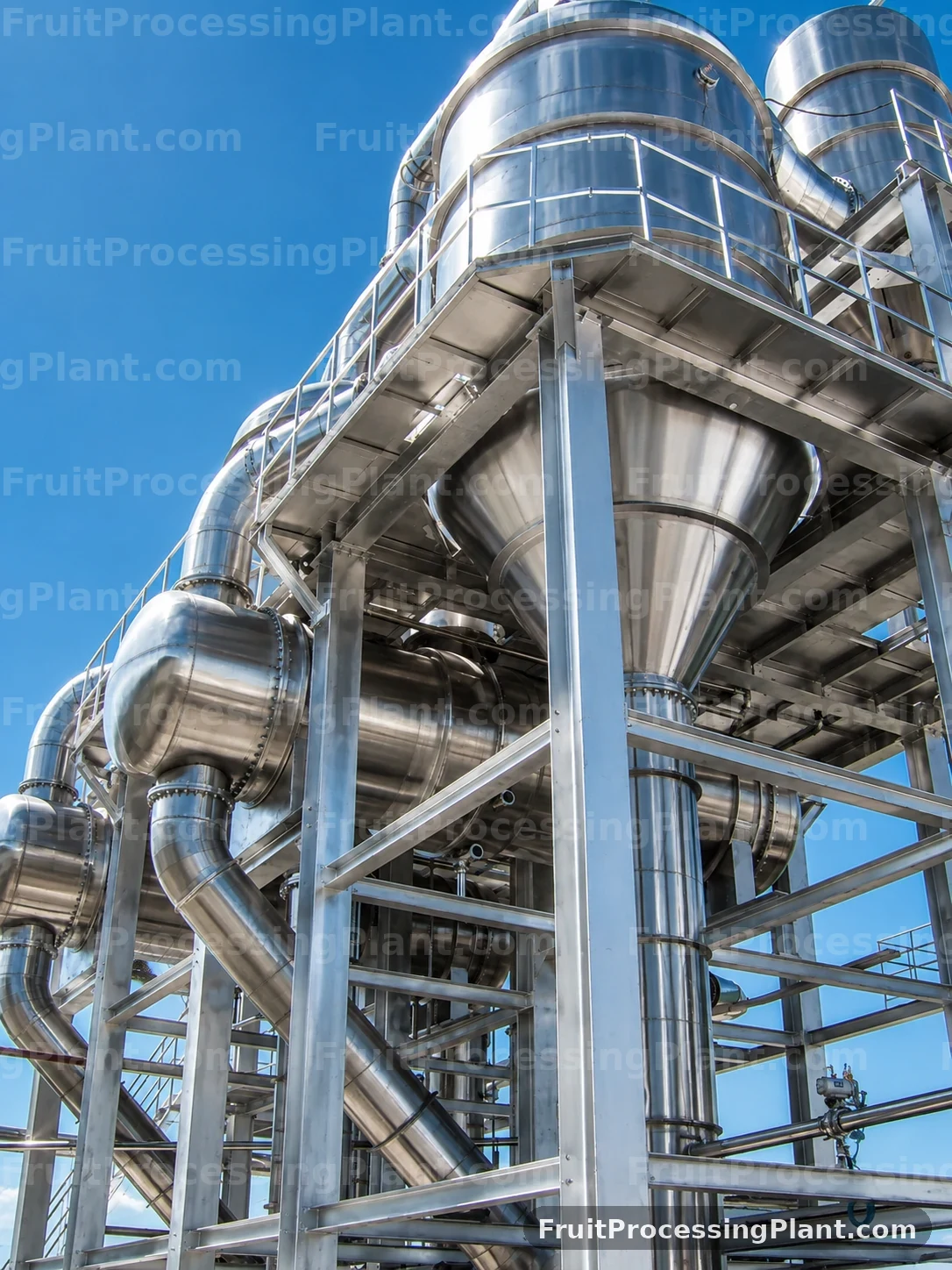
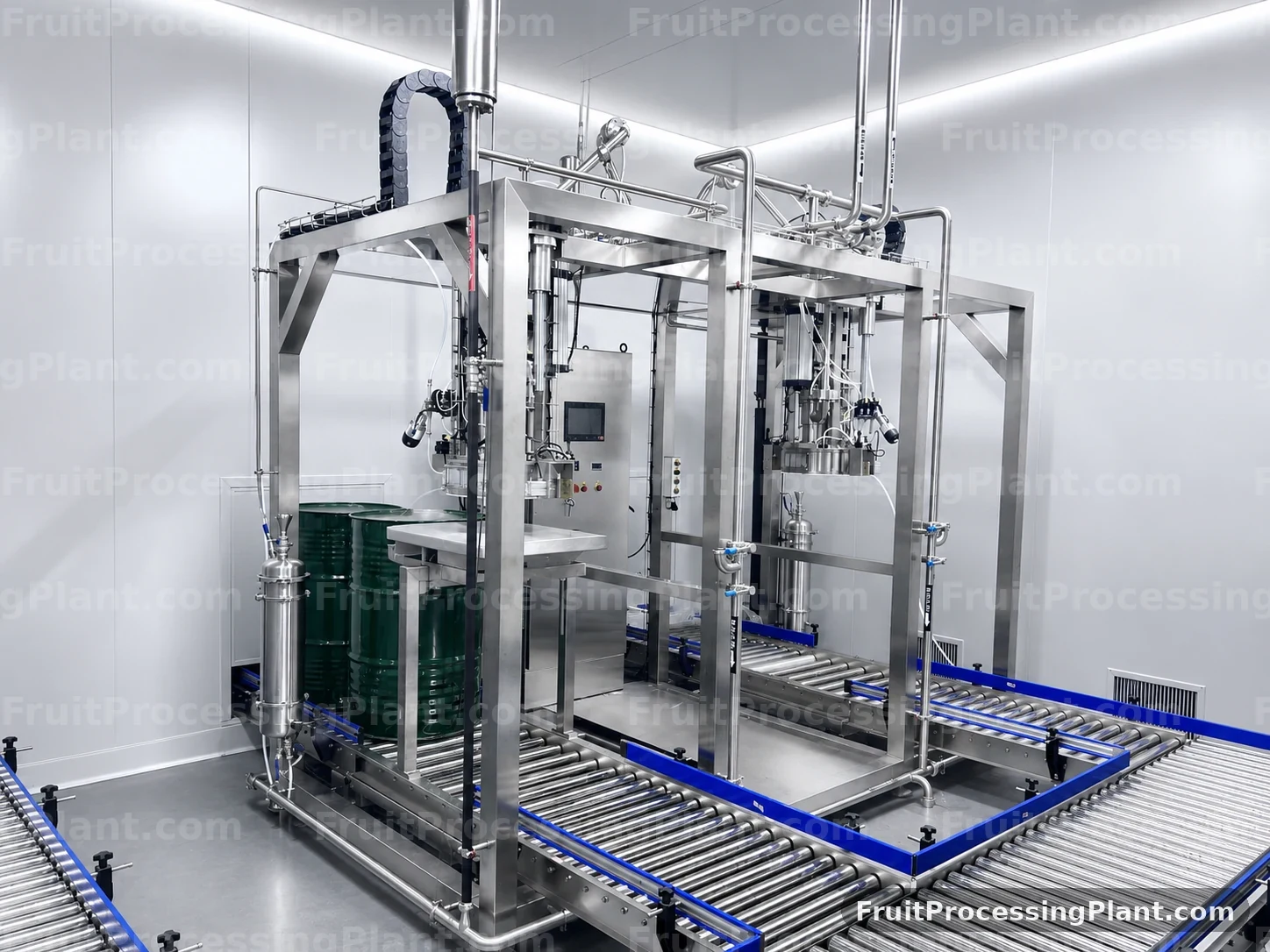
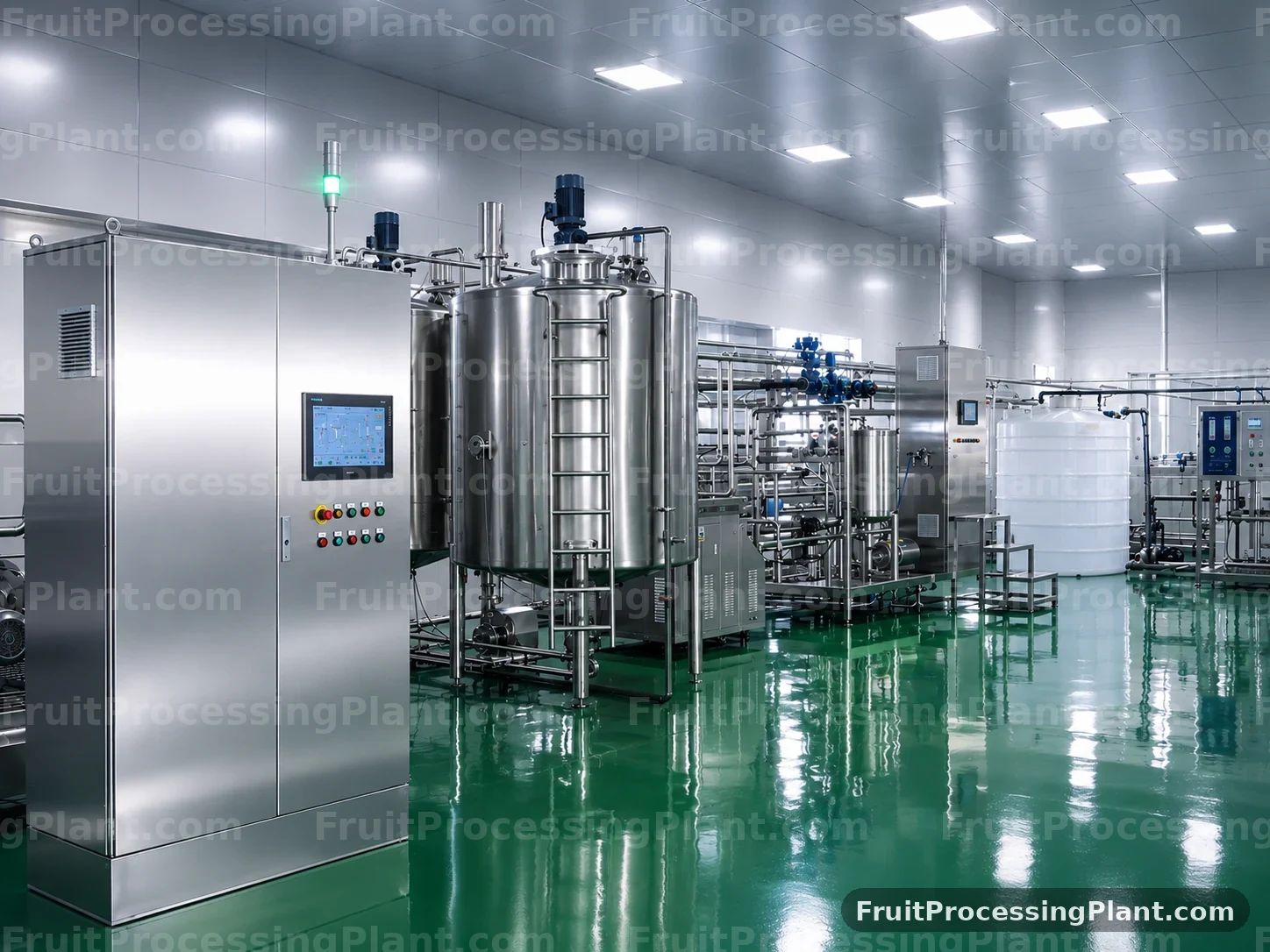
Use the tomato processing line for process flow and the tomato paste processing plant for complete plant scope. This guide focuses on the inputs that change a quotation.
Different finished products, capacities, packaging routes and automation levels require different configurations, so a responsible quote needs RFQ data.
All planning notes here are reference only. A formal quotation should be based on raw material, finished product, capacity, Brix, viscosity, packaging, utilities and layout.
The goal is to help buyers avoid comparing incomplete quotations and to send enough data for engineers to build a practical line configuration.
Tomato paste cost should be discussed after feed Brix, target Brix, viscosity and campaign schedule are known. The quote is not only machine purchase; it also reflects steam, cooling, CIP and plant layout.
| Cost Driver | Typical Reference Only | Why It Changes Quotation |
|---|---|---|
| Hot break or cold break | Thermal preparation before pulping changes viscosity, enzyme activity and flavor. | The selected route affects preheating, texture and product target. |
| Evaporation load | Feed Brix, target Brix, steam, fouling and campaign operating hours. | Evaporation is often the central budget and utility driver. |
| Viscous sterilization | Tubular or tube-in-tube heat treatment with product pumps and holding tubes. | Tomato paste cannot be treated like low-viscosity juice. |
| Aseptic bulk filling | Single or double-head aseptic filling, drums, bins, SIP and sterile transfer. | Packaging capacity and sanitary logic change final line cost. |
Cutting the wrong module can reduce yield, shelf life or cleaning reliability. Confirm the finished product and sanitary route before simplifying the equipment scope.
Future flexibility can be useful, but every future route may add valves, tanks, screens, CIP circuits or controls. Mark future items separately in the RFQ.
Steam, cooling water, compressed air, power and drainage can change equipment size, layout and installation. Utility limits should be shared before final quotation.
The review explains tomato paste cost through campaign intake, break system, evaporation duty, viscous aseptic processing, utilities and installation scope rather than publishing an unsupported price.
Use these checkpoints for early project evaluation. Final equipment selection requires confirmed product data, utility conditions and process requirements.
Direct answers below explain the decisions that change process scope, equipment selection and quotation quality.
The evaporator handles a large water-removal duty and may include multiple effects, circulation pumps, separators, vapor systems, condensers, aroma handling and cleaning circuits. Feed Brix, target Brix, paste viscosity, steam conditions and capacity determine its size. Comparing plant prices without aligning the evaporation basis gives little commercial meaning.
The cost difference depends on heating capacity, control arrangement, holding and the required finished viscosity rather than the route name alone. Hot-break systems may require rapid controlled heating and suitable downstream handling. Cold-break may use different temperatures but does not remove the need for pulping, evaporation, sterilization and hygienic filling equipment.
A higher target Brix increases concentration duty and can raise product viscosity, circulation load, pump pressure and cleaning difficulty. It also reduces finished-product flow relative to fresh intake. The quotation should state feed Brix range, target Brix and viscosity specification so the evaporator, sterilizer and filler are sized on one consistent basis.
A tomato campaign needs reliable steam, cooling, process water, compressed air, electricity and wastewater handling. If the site cannot provide them at the required quality and capacity, boilers, cooling towers, chillers, treatment systems or generators may enter scope. Their buildings, piping and commissioning can materially change the installed project budget.
Define intake rate, feed Brix, target Brix, paste viscosity, run duration, utility conditions, aseptic package and cleaning expectations. Also state whether tests occur at the factory or site and who supplies tomatoes and drums. Clear acceptance criteria affect engineering, instrumentation, trial time, travel and commissioning scope included in the quotation.
For Tomato Paste Production Line Cost, send raw material, finished product, capacity, Brix, viscosity, packaging format, utility conditions, factory layout, automation requirement and project timeline.