
Plant intent
This page treats tomato paste as a complete tomato paste factory system with receiving, washing, hot break or cold break, pulping, evaporation, tube-in-tube sterilization, aseptic filling, campaign utilities and cleaning.
This page treats tomato paste as a complete tomato paste factory system with receiving, washing, hot break or cold break, pulping, evaporation, tube-in-tube sterilization, aseptic filling, campaign utilities and cleaning.
Use the tomato processing line process route for process logic, then use this page to define the full factory scope.
This page treats tomato paste as a complete tomato paste factory system with receiving, washing, hot break or cold break, pulping, evaporation, tube-in-tube sterilization, aseptic filling, campaign utilities and cleaning.
This page is for buyers who need a complete plant configuration with equipment, utilities, packaging, installation and commissioning interfaces, rather than a generic machine list.
After the system boundary is clear, review tomato paste production line cost factors to understand quotation drivers before sending RFQ data.
complete tomato paste factory system. The values below are reference only for early discussion and must be confirmed with project data.
| Plant Area | Typical Reference Only | Why It Matters |
|---|---|---|
| Finished products | Tomato paste, puree, sauce base, passata-style product and aseptic bulk. | Target product decides hot break, cold break, Brix, viscosity and packaging. |
| Capacity planning | Reference only: define harvest campaign intake, operating hours and raw tomato supply. | Seasonal tomato projects need realistic receiving, tanks and utility capacity. |
| Packaging options | Aseptic bag-in-drum, bag-in-bin, pouch, jar, bottle or can. | Bulk aseptic paste needs viscous sterilization and sterile filling as one system. |
| Utility boundary | Steam, cooling water, compressed air, power, CIP, drainage and waste handling. | Evaporation and cleaning create large peak utility loads. |
Each system should be selected from finished product, capacity, sanitary target, packaging and utility conditions.
Tomato plants must handle field soil, stems and fast seasonal delivery. Hot break or cold break choice changes viscosity, enzyme inactivation and paste texture before pulping.
Pulpers remove skin and seeds while controlling black specks and particle size. The plant should allow stable feed to evaporators without coarse solids.
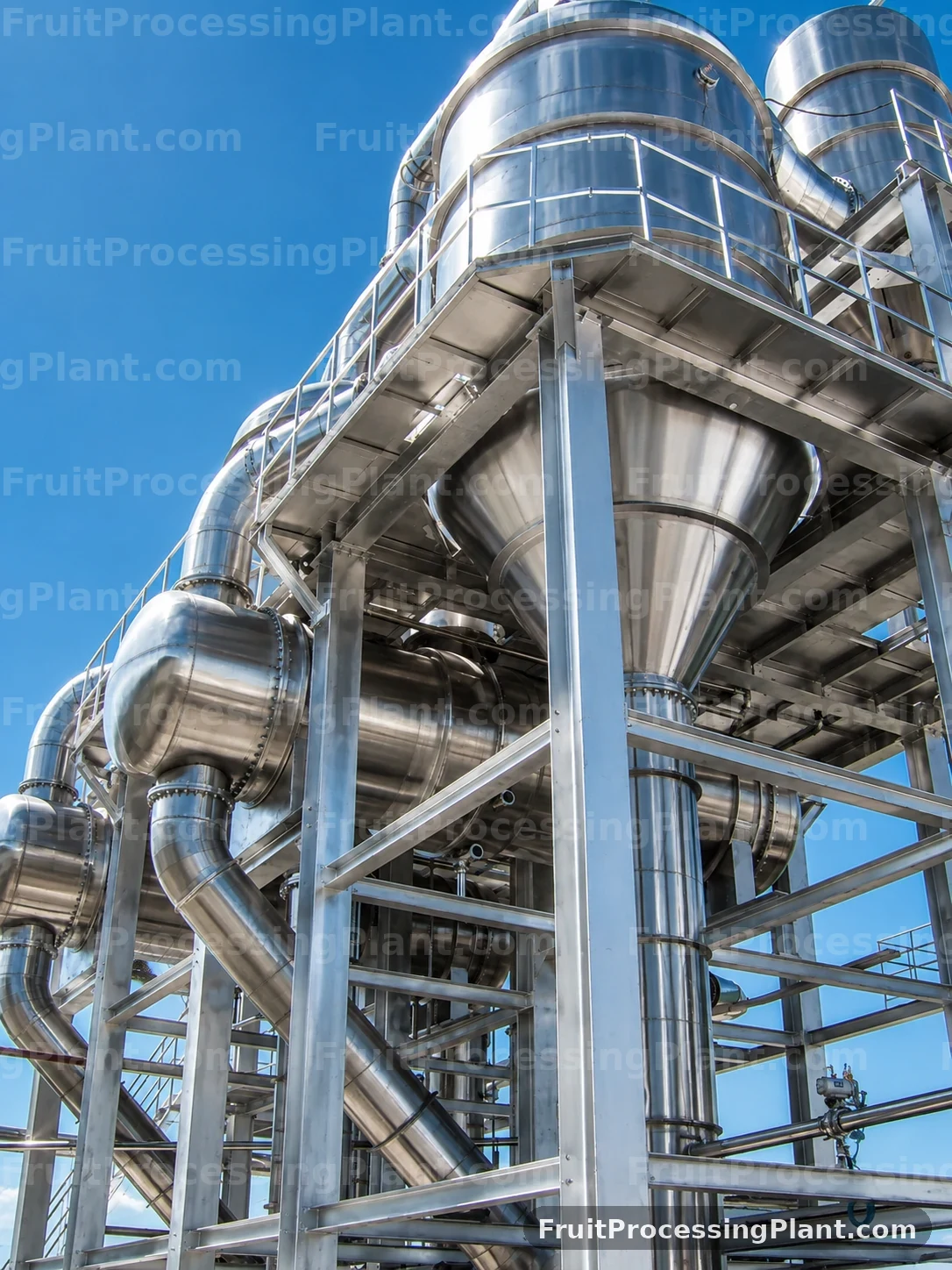
Tomato paste requires concentration. Forced circulation or other viscosity-tolerant evaporation is discussed from feed Brix, target Brix, fouling behavior and steam availability.
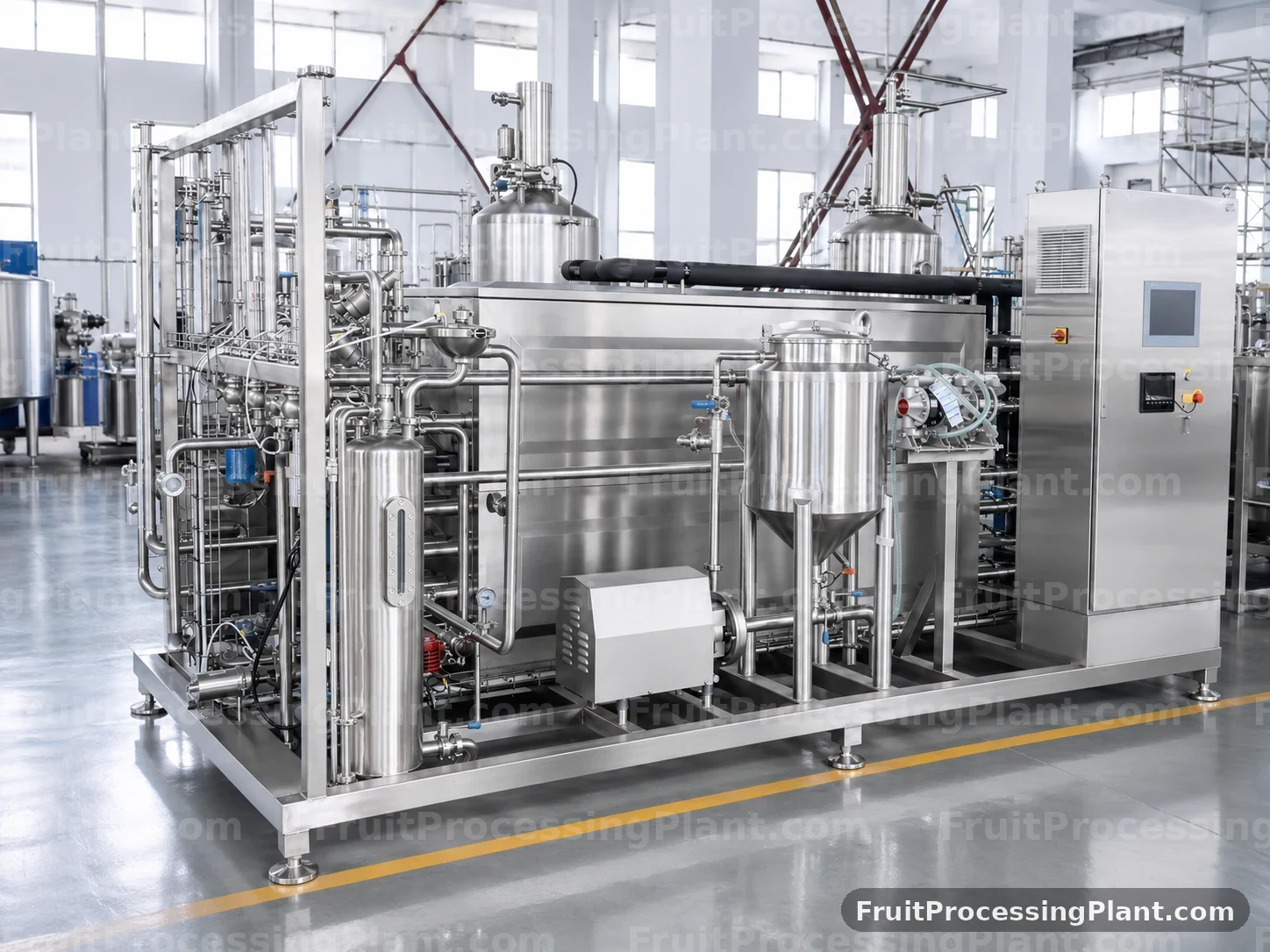
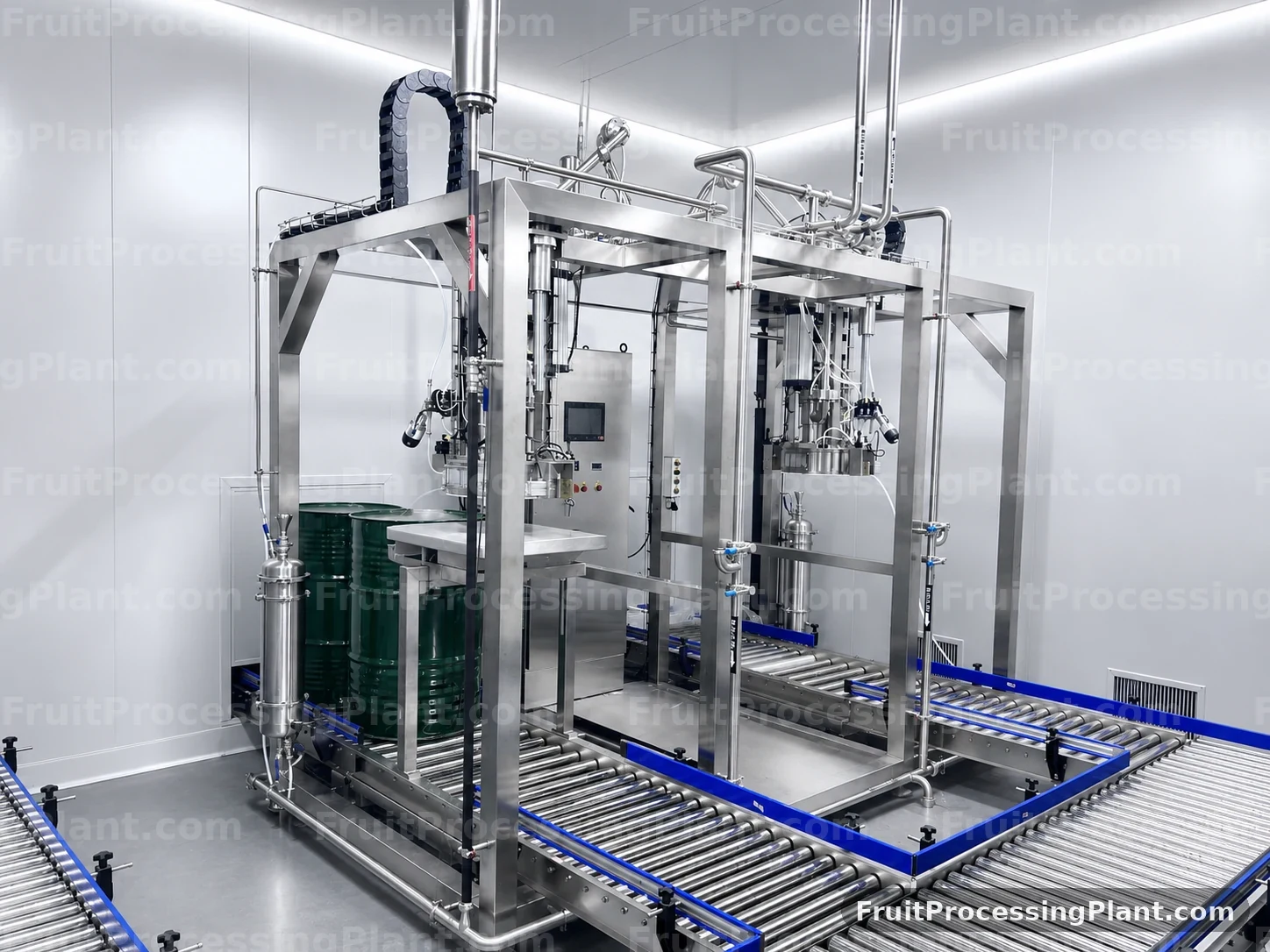
Tube-in-tube sterilization and aseptic filling are often selected for viscous tomato paste. SIP, sterile transfer and drum handling must be planned together.
Choose hot break when viscosity and sauce body matter, and cold break when lower viscosity or juice-style flavor is the target. Add evaporation only when paste or high-solids product is required. Aseptic filling should be engineered with sterilization and CIP, not purchased as an isolated machine.
The review covers campaign receiving, hot-break or cold-break preparation, evaporation, paste sterilization, aseptic filling, steam and cooling loads, CIP and plant acceptance.
Use these checkpoints for early project evaluation. Final equipment selection requires confirmed product data, utility conditions and process requirements.
Direct answers below explain the decisions that change process scope, equipment selection and quotation quality.
Estimate output from accepted tomato mass, sorting and refining losses, feed soluble solids and target paste Brix. Seasonal variety changes can alter the result. The mass balance should also include startup, shutdown and cleaning losses. A nominal intake figure without measured feed Brix cannot reliably predict drums of finished paste per day.
Evaporation usually creates the largest steam and cooling demand, while washing requires substantial water and the aseptic section needs stable clean services. Electrical load, compressed air, condensate recovery and wastewater capacity also matter. Utility pressure, temperature and quality should be confirmed because they influence equipment size and the ability to sustain campaign throughput.
Tank volume and agitation should match paste viscosity, residence time, cleaning access and the operating relationship between evaporator, sterilizer and filler. Pumps need suitable displacement or centrifugal behavior for the actual product condition. Selection should use viscosity at transfer temperature, pressure drop, Brix and any particle or fiber limits.
The hygienic boundary normally includes final concentration discharge, product transfer, sterilization, sterile holding or diversion arrangements and the aseptic filler. CIP circuits, sterile services and valve logic must support this boundary. Open handling after the sterilizer would break the intended aseptic route, so interfaces need clear responsibility in the plant scope.
Compare quotations only after aligning fresh-tomato intake, feed and target Brix, hot-break or cold-break route, paste viscosity, aseptic package, daily hours, utilities, automation, waste handling and installation scope. Otherwise a lower quotation may simply exclude evaporation effects, tanks, CIP, piping, commissioning or utility equipment required by the project.
Send RFQ for Tomato Paste Processing Plant: raw material, finished product, capacity, Brix, viscosity, packaging, utilities, factory layout, automation requirement and timeline.