Jam & Sauce Solutions

Chili Sauce Production Line for industrial production projects.

Define fresh or dried chili input, recipe solids, cooking method, batch or hourly capacity and package.

chili saucechili pastehot sauceseasoning sauce base
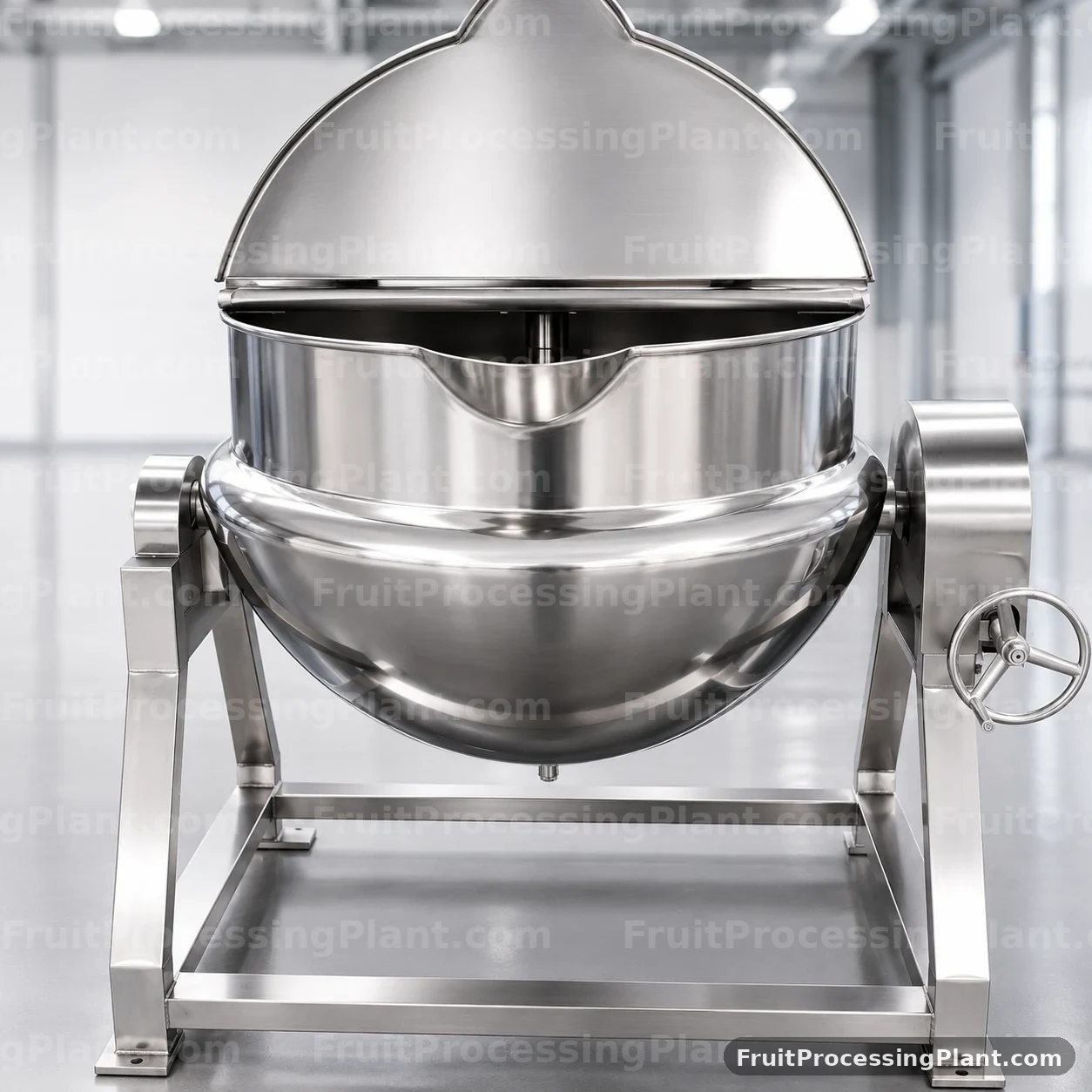
Chili Sauce Production Line equipment image
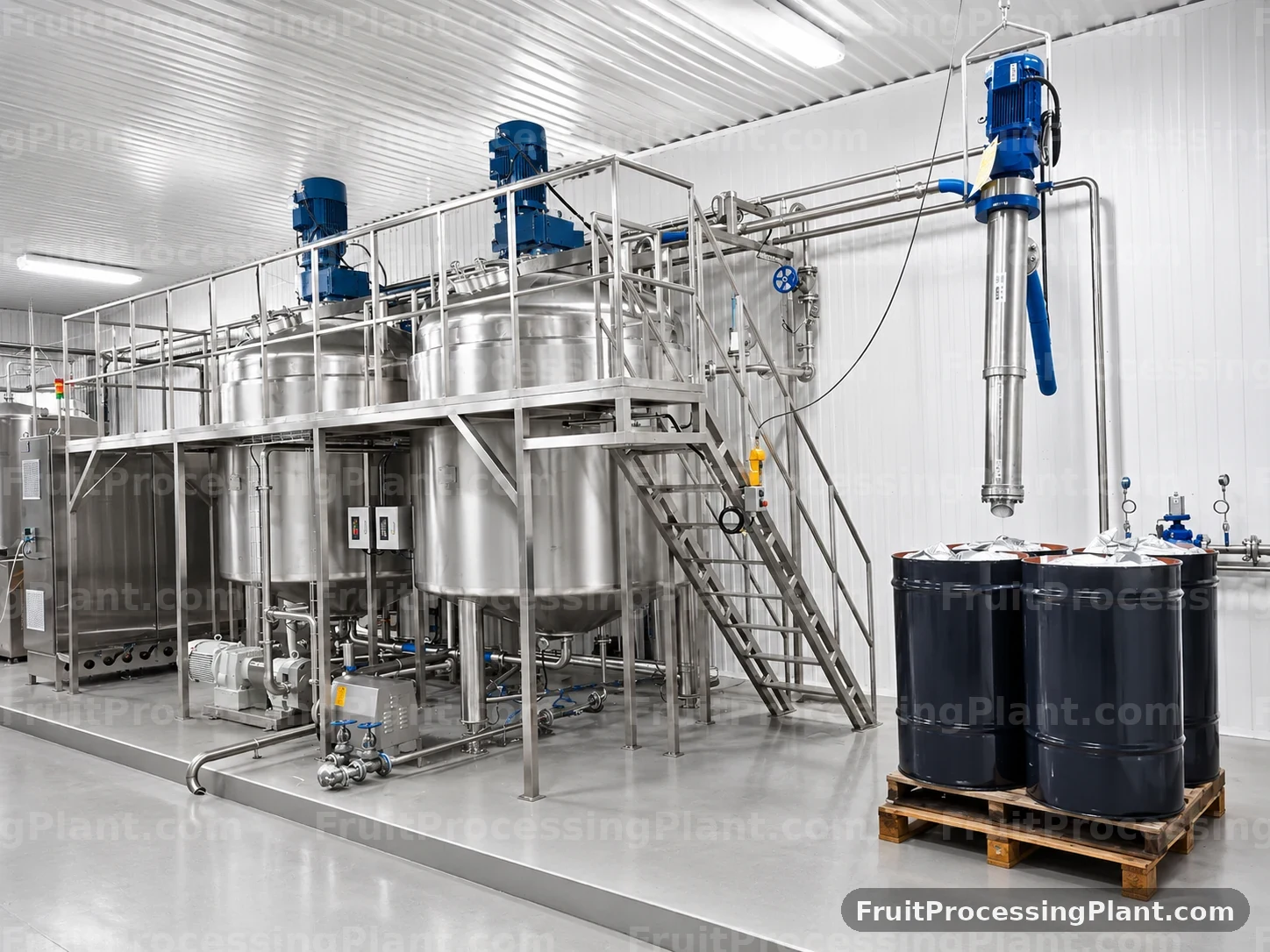
Blending tank for processing solution
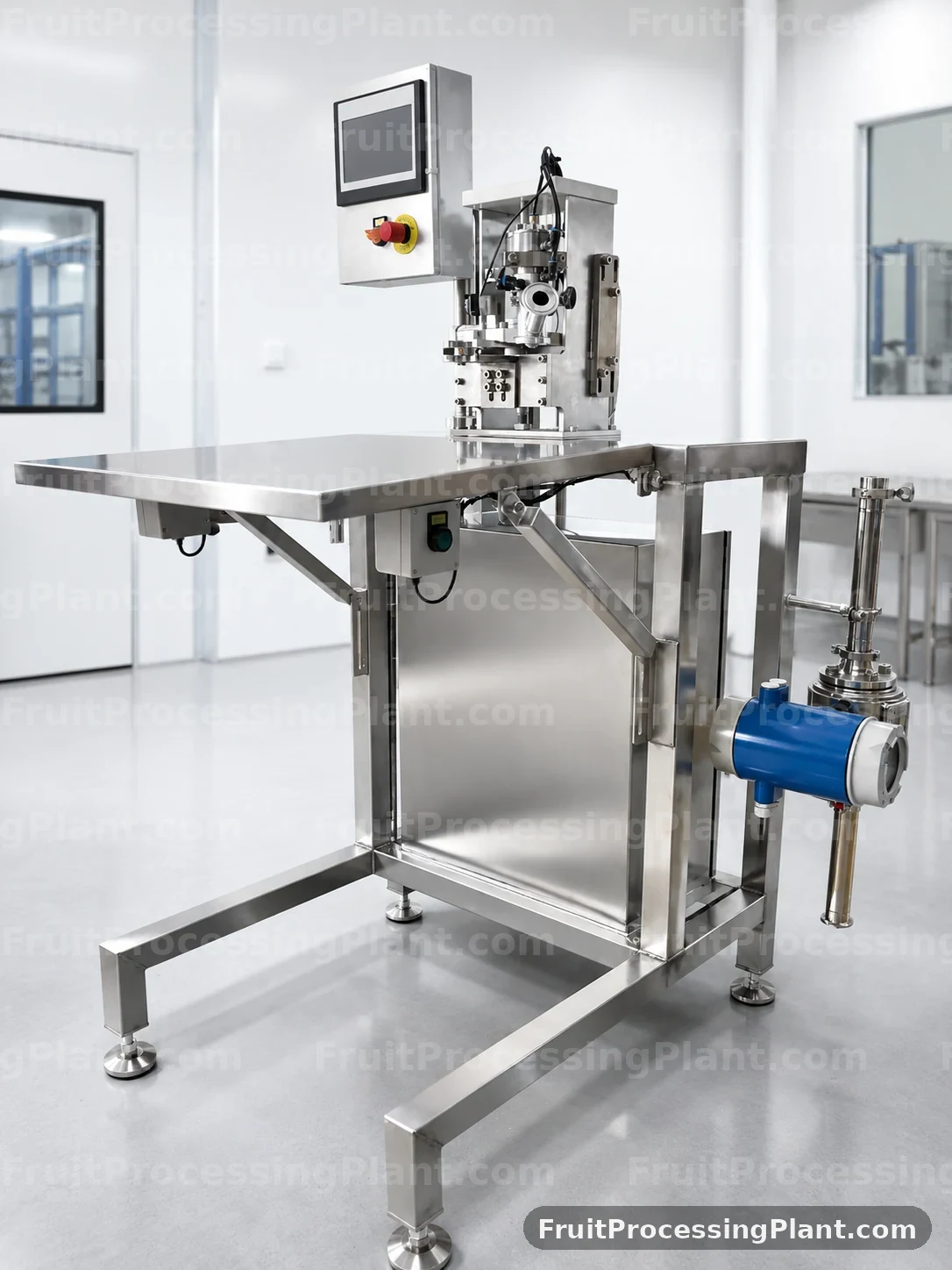
Filling machine for processing solution
Solution scope

Finished product route.

Chili sauce production line planning for washing, crushing, mixing, cooking, filling and pasteurization.

chili saucechili pastehot sauceseasoning sauce base
Process route

Typical solution framework.

Raw material preparation

Clarify receiving format, trimming, washing, sorting and loss assumptions before utility and labor planning.

Formula, blending, extraction or fermentation handling

Define recipe solids, mixing time, extraction or fermentation conditions and hygiene controls before tank sizing.

Thermal processing, cooking, concentration or freezing

Set temperature profile, residence time, concentration target or freezing duty from product risk and shelf-life target.

Filling, packaging and storage

Match filling temperature, closure type, container size and secondary packaging with the selected shelf-life route.

CIP, utilities and control integration

Confirm cleaning circuits, steam, cooling, compressed air, PLC scope and installation interfaces before quotation.

Engineering selection

Engineering Selection Notes

Chili Sauce Production Line for industrial production projects. should be evaluated as a production system, not as a generic process description. The route should be confirmed from product target, capacity, recipe or Brix data, packaging format, utility conditions and factory layout.

Product and route boundary

This solution is mainly used for chili sauce projects. A practical route normally covers washing, trimming, crushing, mixing, cooking, deaeration if needed, filling and pasteurization. Each module should be selected from the actual raw material condition and finished product specification rather than from a copied machine list.

Main engineering concern

The critical design points are seed content, particle size, viscosity, oil separation, cooking temperature, spice dosing and bottle or pouch filling. These factors affect pump type, tank volume, heat-transfer surface, filling accuracy, CIP design, installed power and the amount of operator control needed during production.

Quotation boundary

A useful RFQ should separate core process equipment, utility systems, packaging interfaces, automation, installation and commissioning. Reference values can be used for early planning, but final equipment selection should be reviewed with product data and site conditions.

RFQ parameters

Solution RFQ Parameters

Send these details before asking for a quotation. If any value is not final, mark it as preliminary reference only.

ParameterWhat to ProvideWhy It Matters
Raw materialType, receiving condition, seasonal supply, impurity level, solids, particles, salt, sugar, acid or oil content where relevant.Raw material behavior decides front-end preparation, pump selection, cleaning and waste handling.
Finished productProduct name, Brix or solids, viscosity, particle target, shelf-life target and storage condition.The finished product determines heating, cooling, filling and packaging logic.
CapacityHourly throughput, daily target, batch size, working shifts and campaign length.Capacity changes tanks, heat exchangers, fillers, utilities and plant layout.
PackagingBottle, jar, pouch, can, aseptic bag, drum, carton, bulk tank or frozen package.Packaging changes filling machine, heat treatment, cooling, secondary packing and storage requirements.
Utilities and automationSteam, power, compressed air, cooling water, chilled water, drainage, CIP level, PLC/HMI and data logging needs.Utility and control limits can change both practical capacity and quotation scope.
Related equipment

Equipment Modules to Review

These internal links help buyers move from a solution page to concrete equipment choices and RFQ data.

Buyer questions

Solution RFQ Questions

What makes this solution different from a single equipment page?

A solution page covers the complete process route from raw material handling to finished product packaging. A single equipment page explains one machine module. For RFQ work, the solution page should define product target, route boundary, capacity, utilities and packaging first, then equipment pages can be used to confirm individual machine details.

Can the solution be customized for different capacities?

Yes. Capacity can vary widely by region, raw material supply, packaging speed and shift schedule. The equipment size, tank volume, heat-transfer area, filling heads, utility load and automation level should be configured from the requested capacity. Early capacity values should be treated as reference only until engineering review.

What information should be sent before quotation?

Send raw material, finished product, capacity, Brix or solids, viscosity, particle requirement, heat treatment target, packaging format, steam, power, compressed air, cooling water, drainage, CIP expectation, factory layout, automation requirement and project timeline. This avoids a generic quote that misses important process conditions.

Why is there no fixed price on this solution page?

Most industrial processing solutions are non-standard. Price changes with product route, capacity, sanitary level, automation, filling format, utilities and installation scope. Publishing a fixed price would hide important engineering differences. The RFQ process is used to build a project-specific equipment scope and quotation.

Project RFQ

Send your processing line requirements.

Share your raw material, target product, capacity and contact details. The project team can review the process route and suggest suitable equipment modules for quotation discussion.

Raw material Finished product Capacity Utilities Timeline

Direct email: [email protected]. Company/name and project requirement are required. Provide either email or WhatsApp.