Clear juice route
Used when the product requires low turbidity, filtration stability and clean appearance. Clarification, enzyme treatment, separation and filtration need to be considered before pasteurization.
Start with fruit type, juice specification, hourly intake, operating schedule and final package.
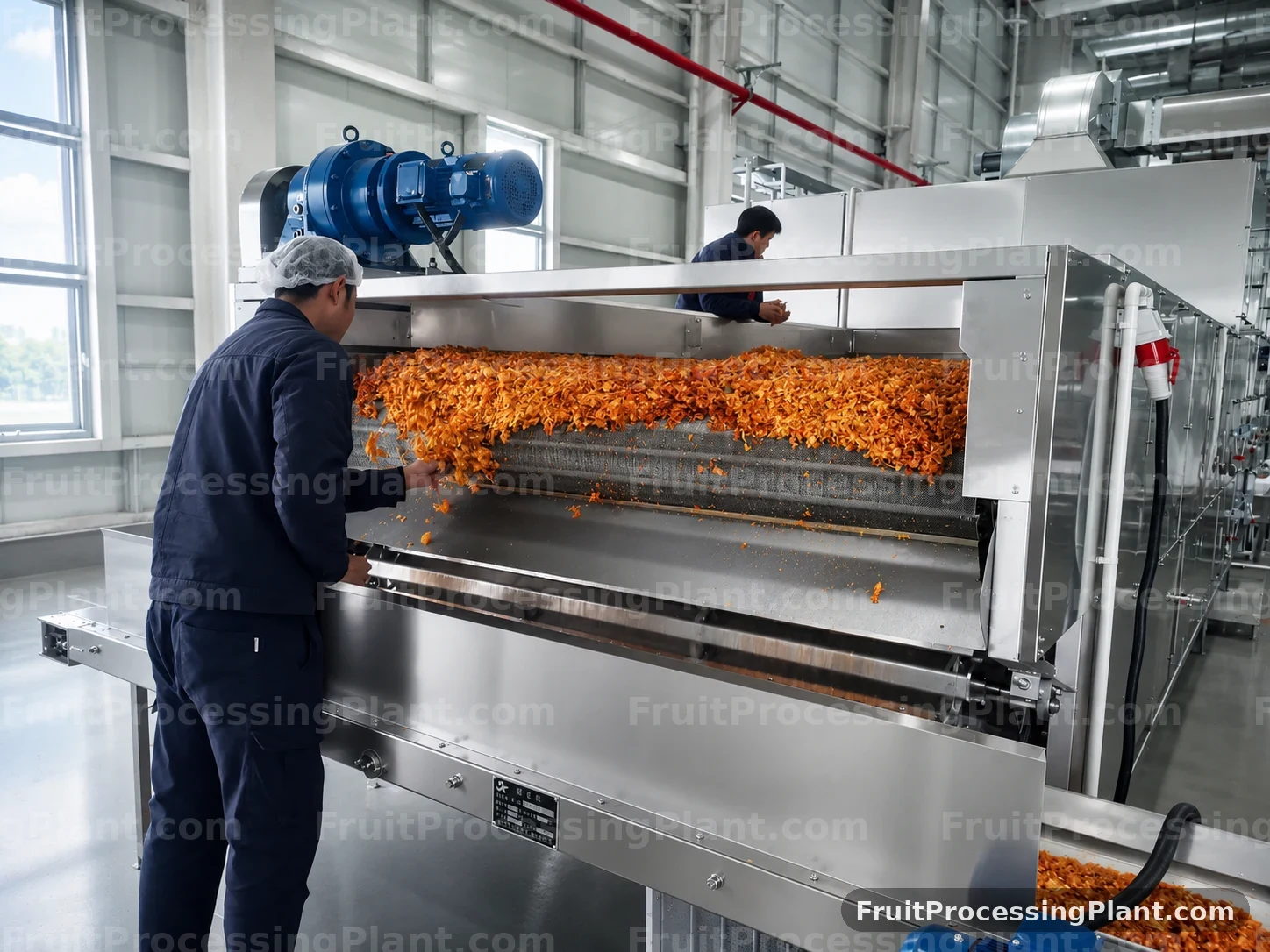
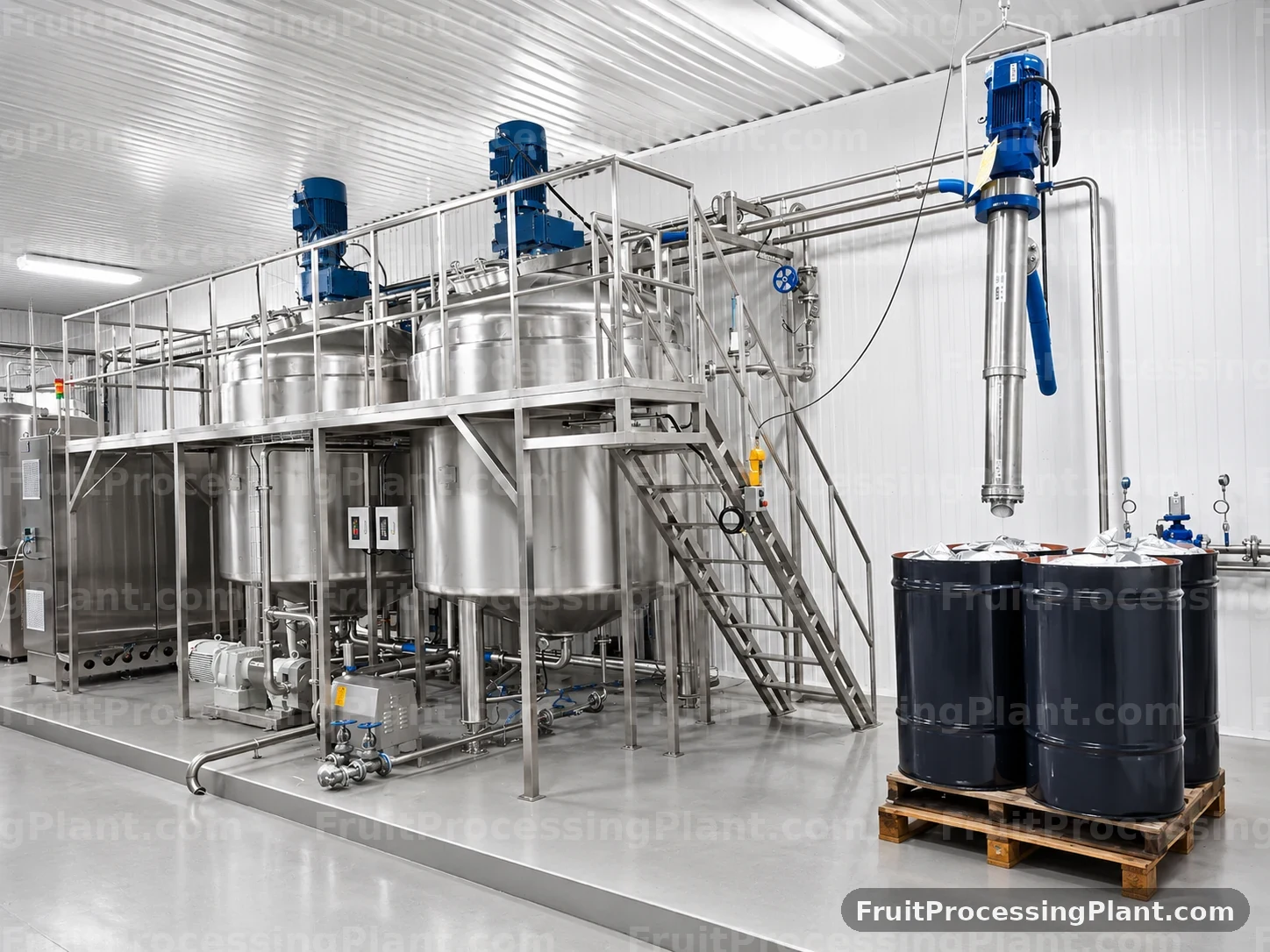
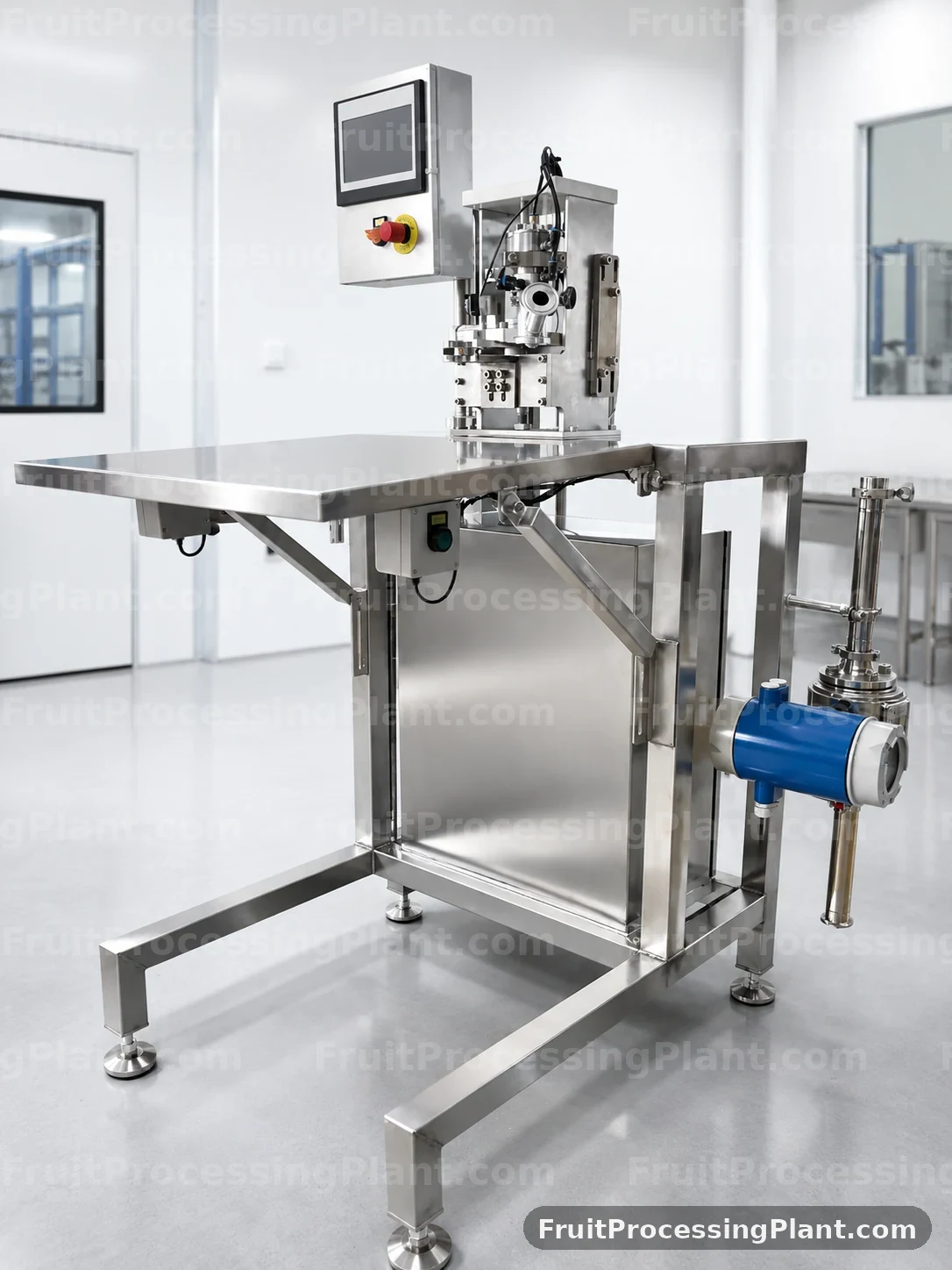
We manufacture turnkey fruit juice processing lines for clear juice, cloudy juice, NFC juice, concentrate and beverage-base production. Apple, pineapple, guava, citrus, berry and tropical fruit juices require different extraction, clarification, deaeration, pasteurization and filling decisions. This page helps buyers compare complete juice plants and equipment modules before sending an RFQ.
Used when the product requires low turbidity, filtration stability and clean appearance. Clarification, enzyme treatment, separation and filtration need to be considered before pasteurization.
Used when the buyer wants natural fruit body and fresher character. Deaeration, pulp stability, pasteurization temperature and chilled or shelf-stable filling must be matched.
Used when storage density, export logistics or ingredient concentration matters. Evaporation, Brix control, aroma protection and aseptic bulk filling become major equipment decisions.
| Finished Product | Process Route | Packaging Option | Key Engineering Concern |
|---|---|---|---|
| Clear fruit juice | Washing, extraction, enzyme treatment, clarification, filtration, pasteurization | Bottle, pouch, carton, aseptic bulk | Clarity, filtration load, oxidation and shelf life |
| Cloudy fruit juice | Washing, extraction, controlled pulp, deaeration, pasteurization | Bottle, pouch, chilled pack or aseptic bulk | Cloud stability, sediment, aroma and heat load |
| NFC juice | Extraction, deaeration, mild pasteurization, direct filling | Bottle, carton or pouch | Fresh flavor, oxygen control and cold-chain or shelf-life target |
| Juice concentrate | Juice preparation, evaporation, cooling, aseptic filling | Aseptic bag-in-drum or bulk tank | Target Brix, energy use, fouling and aroma loss |
Reference route: Receiving → Washing → Sorting → Crushing / Extraction → Deaeration → Sterilization → Evaporation if needed → Filling → CIP.
Confirm raw material variety, maturity, defect rate and washing method before extraction.
Remove damaged material that can create off-flavor, color defects or microbial risk.
Choose belt press, citrus extractor, passion fruit juicer or pulping route according to fruit structure.
Separate clear juice and cloudy juice decisions before filtration, stabilization or blending.
Reduce oxygen and select plate, tubular or tube-in-tube heating by viscosity and pulp load.
Add evaporation only for concentrate, then match filling to bottle, pouch, carton, drum or aseptic bulk.
The washing and sorting system protects juice quality before extraction. It removes soil, leaves, stones and damaged fruit, while giving operators a quality-control point. The washing method depends on fruit skin, firmness and contamination level. This section affects yield, flavor and downstream cleaning load.
Apple may use a belt press juicer, passion fruit may use a passion fruit juicer, and pulpy fruits may need a double stage pulping machine. The correct extractor is chosen from fruit structure, seed behavior, pulp target and juice yield expectation.
A vacuum deaerator reduces oxygen before heat treatment and filling. This is important for color, aroma and foam control. Deaeration should be checked for low-viscosity juice as well as cloudy juice with suspended pulp.
A falling film evaporator is used when juice concentrate is required. Feed clarity, target Brix, heat sensitivity and fouling risk determine whether falling film or another concentration route should be discussed.
A plate sterilizer is common for clean low-viscosity juice, while tubular sterilizer options are considered for pulpier products. The heat treatment route should be tied to packaging and shelf-life target.
Bottle, pouch, carton, non-aseptic or aseptic filling decisions must be made with the thermal process. The CIP system and PLC control system connect the line into a cleanable, repeatable production process.
| Parameter | Typical Reference | Why It Matters |
|---|---|---|
| Raw material | Fruit type, variety, fresh/frozen state and seasonal supply | Determines washing, extraction and yield assumptions. |
| Finished product | Clear juice, cloudy juice, NFC juice, concentrate or beverage base | Defines clarification, evaporation and filling route. |
| Capacity | Typical reference only for preliminary planning: state t/h or tons/day | Drives equipment size and utility load. |
| Initial Brix | Typical reference only for preliminary planning: test real juice sample | Affects mass balance and concentration load. |
| Target Brix | Natural juice Brix or specified concentrate Brix | Determines evaporation, dilution or blending needs. |
| Viscosity / pulp | Low-viscosity clear juice or cloudy/pulpy juice | Changes sterilizer, pump and filling selection. |
| Packaging | Bottle, pouch, carton, drum or aseptic bulk | Controls filling, heat treatment and shelf-life design. |
| Utilities | Steam, power, compressed air, cooling water and CIP | Limits production reliability and operating cost. |
Start by deciding whether the product must be transparent or can retain natural pulp. This determines enzyme treatment, separation, filtration and stabilization requirements.
NFC juice focuses on fresh character and short process time. Concentrate focuses on water removal, target Brix, energy use, aroma protection and bulk storage.
Do not select filling equipment before defining shelf life. Chilled juice, hot-fill juice and aseptic bulk juice require different thermal and hygienic logic.
Fruit Juice Processing Line Manufacturer for Turnkey Juice Plants should be evaluated as a production system, not as a generic process description. The route should be confirmed from product target, capacity, recipe or Brix data, packaging format, utility conditions and factory layout.
This solution is mainly used for fruit juice projects. A practical route normally covers washing, crushing or extraction, clarification where needed, deaeration, pasteurization or sterilization and filling. Each module should be selected from the actual raw material condition and finished product specification rather than from a copied machine list.
The critical design points are juice yield, clarity or pulp stability, oxidation, aroma retention, heat treatment and packaging shelf life. These factors affect pump type, tank volume, heat-transfer surface, filling accuracy, CIP design, installed power and the amount of operator control needed during production.
A useful RFQ should separate core process equipment, utility systems, packaging interfaces, automation, installation and commissioning. Reference values can be used for early planning, but final equipment selection should be reviewed with product data and site conditions.
Send these details before asking for a quotation. If any value is not final, mark it as preliminary reference only.
| Parameter | What to Provide | Why It Matters |
|---|---|---|
| Raw material | Type, receiving condition, seasonal supply, impurity level, solids, particles, salt, sugar, acid or oil content where relevant. | Raw material behavior decides front-end preparation, pump selection, cleaning and waste handling. |
| Finished product | Product name, Brix or solids, viscosity, particle target, shelf-life target and storage condition. | The finished product determines heating, cooling, filling and packaging logic. |
| Capacity | Hourly throughput, daily target, batch size, working shifts and campaign length. | Capacity changes tanks, heat exchangers, fillers, utilities and plant layout. |
| Packaging | Bottle, jar, pouch, can, aseptic bag, drum, carton, bulk tank or frozen package. | Packaging changes filling machine, heat treatment, cooling, secondary packing and storage requirements. |
| Utilities and automation | Steam, power, compressed air, cooling water, chilled water, drainage, CIP level, PLC/HMI and data logging needs. | Utility and control limits can change both practical capacity and quotation scope. |
Use these related equipment pages to compare concrete equipment choices and RFQ inputs.
Use these links to move from process route to complete plant scope, cost drivers and equipment selection before sending RFQ data.
Compare related process, capacity, packaging and cost guides before defining the project scope and RFQ inputs.
The review covers clear, cloudy, NFC and concentrate juice routes, with emphasis on extraction, clarification, deaeration, thermal treatment and package-dependent line decisions.
Use these checkpoints for early project evaluation. Final equipment selection requires confirmed product data, utility conditions and process requirements.
Direct answers below explain the decisions that change process scope, equipment selection and quotation quality.
A clear juice line includes clarification and filtration steps designed to reduce suspended solids, while a cloudy line preserves selected fruit body and controls sediment stability. The difference affects enzyme treatment, separators, filtration area, tanks and heat treatment. Product appearance and storage behavior should be defined before the equipment list is fixed.
Plate systems are commonly discussed for low-viscosity juice without significant particles because they provide compact heat transfer. Tubular systems are considered as pulp, fiber, particles or fouling risk increase. Final selection requires product viscosity, particle dimensions, pH, temperature program, pressure drop, cleaning method and filling conditions rather than juice name alone.
Vacuum deaeration removes entrained air that can contribute to oxidation, foaming, unstable filling and color or aroma loss. It is normally positioned after extraction or refining and before critical heat treatment or filling, depending on the route. Product temperature, viscosity, flow rate and acceptable volatile loss determine the deaerator operating discussion.
NFC means not from concentrate, so an evaporator is not normally part of the concentration route. The line may still require extraction, separation, deaeration, pasteurization, hygienic storage and filling. If the buyer also wants concentrate, the evaporator and aroma handling system should be treated as an additional product route with separate mass balance.
Packaging determines whether the product uses hot filling, aseptic filling, cold filling with another preservation method, or post-package pasteurization. It also changes buffer tanks, sterile transfer, filler capacity and cleaning boundaries. Bottle, pouch, carton, can and aseptic bulk formats cannot be treated as interchangeable at the end of an otherwise fixed line.
Fruit juice processing line RFQ data should include raw material, finished product, capacity, Brix, viscosity, packaging format, utility conditions, factory layout, automation requirement and timeline.