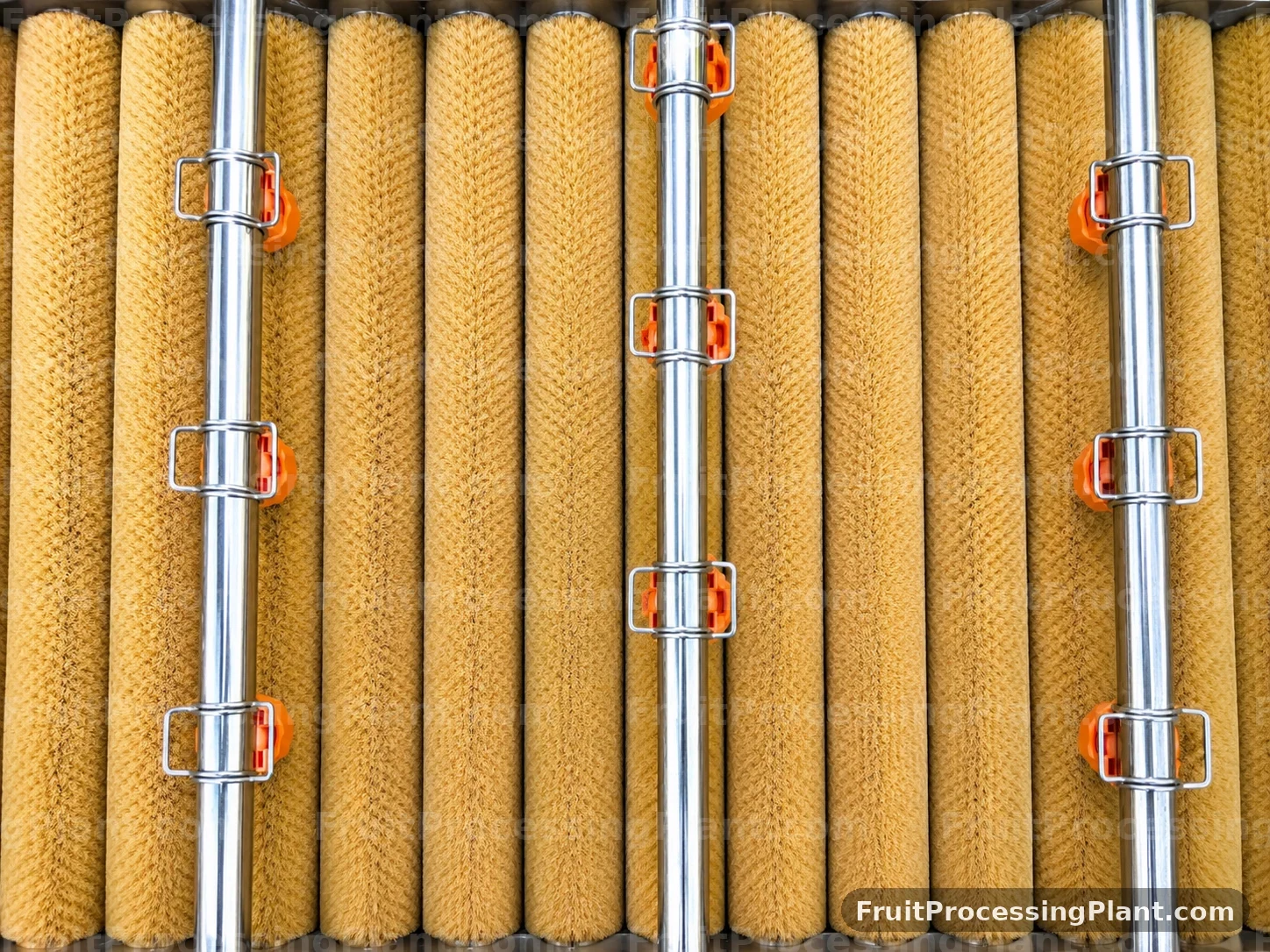
Brush washing
Brush washing is used for firmer fruit and root materials where surface soil needs mechanical contact. Brush speed, spray pressure and discharge height must avoid unnecessary damage.
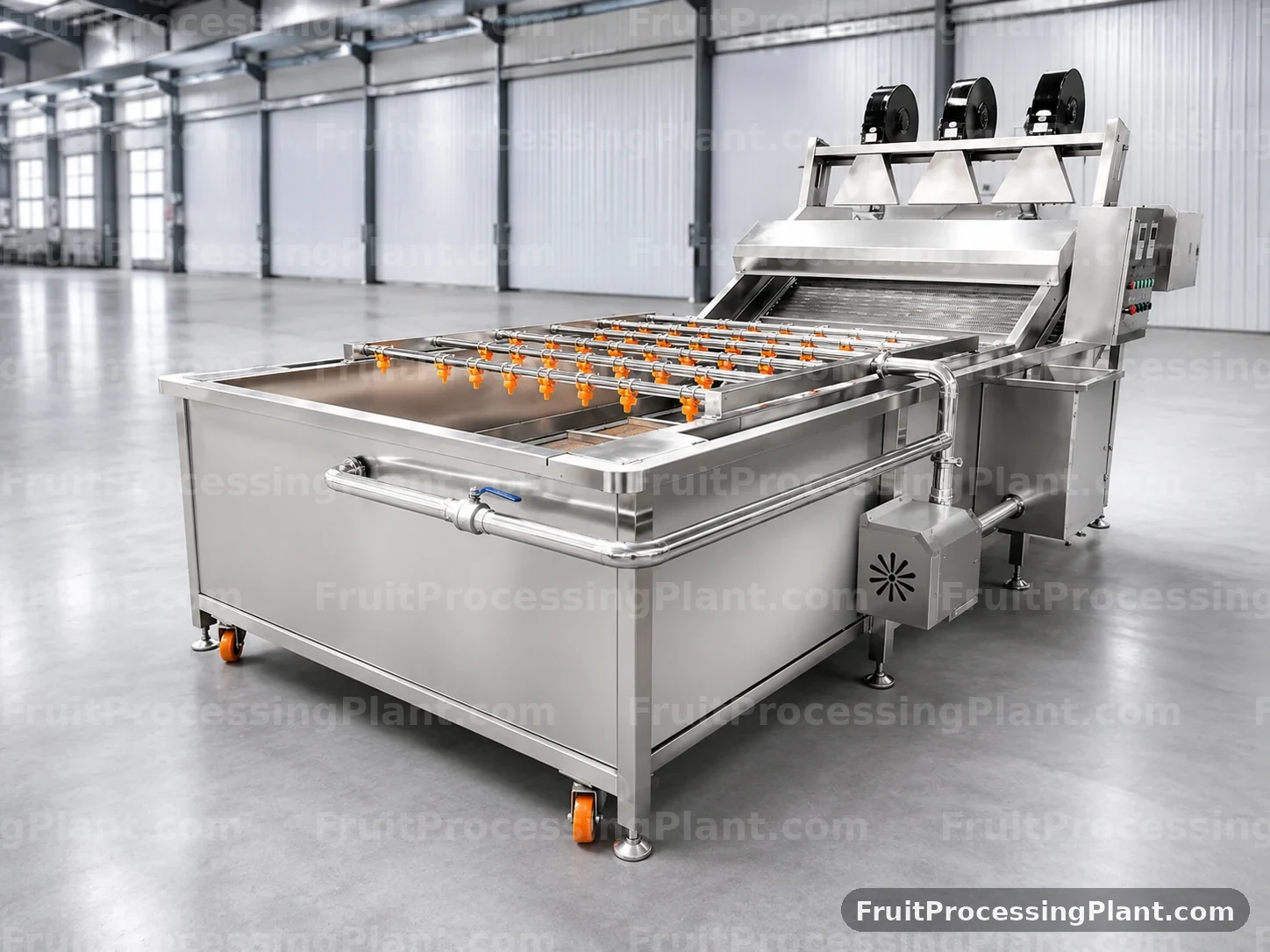
Manufacture and supply industrial fruit washing and sorting equipment for fruit and vegetable processing line front-end systems. Configure brush washing, bubble washing, inspection conveyors, grading, lifting and air-drying modules from raw material and capacity data.
This section is used before extraction, pulping, slicing, IQF freezing or filling. The right module depends on raw material surface, firmness, soil load, floating behavior, defect sorting needs and downstream product sensitivity. A soft berry line, a mango puree line and a carrot washing line should not use the same pretreatment assumptions.
Brush washing is used for firmer fruit and root materials where surface soil needs mechanical contact. Brush speed, spray pressure and discharge height must avoid unnecessary damage.
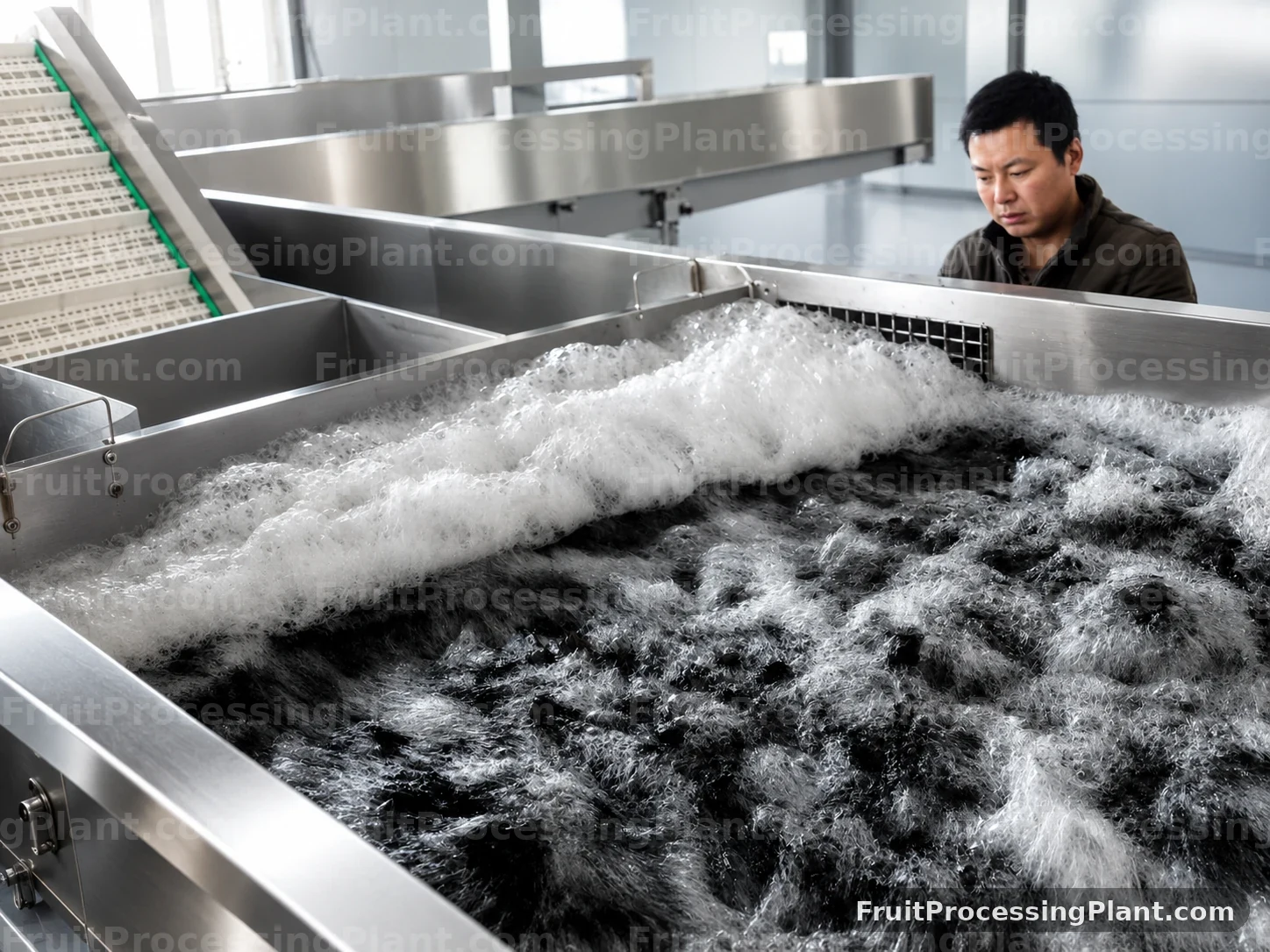
Bubble washing is gentler and useful for many fruit materials before inspection. Water circulation, overflow, impurity removal and sanitation should be considered.
Roller inspection and drum grading help remove defects and stabilize feed size. They protect downstream crushers, pulpers and sterilizers from avoidable variation.
Confirm fruit type, container, foreign matter, defect level and expected hourly flow.
Loosen soil and field debris before stronger washing or inspection.
Select gentle agitation or brush contact according to raw material surface and damage risk.
Remove rotten, immature, damaged or foreign materials before extraction.
Stabilize size distribution or lift product to the next processing section.
Feed clean and inspected material into the extraction section with controlled flow.
Used for firm fruit, carrots, ginger and materials that need surface brushing before peeling, crushing or pulping.
Used for gentle washing, floating impurity removal and pre-cleaning before inspection or lifting.
Combines washing and controlled elevation to the next section while limiting manual transfer.
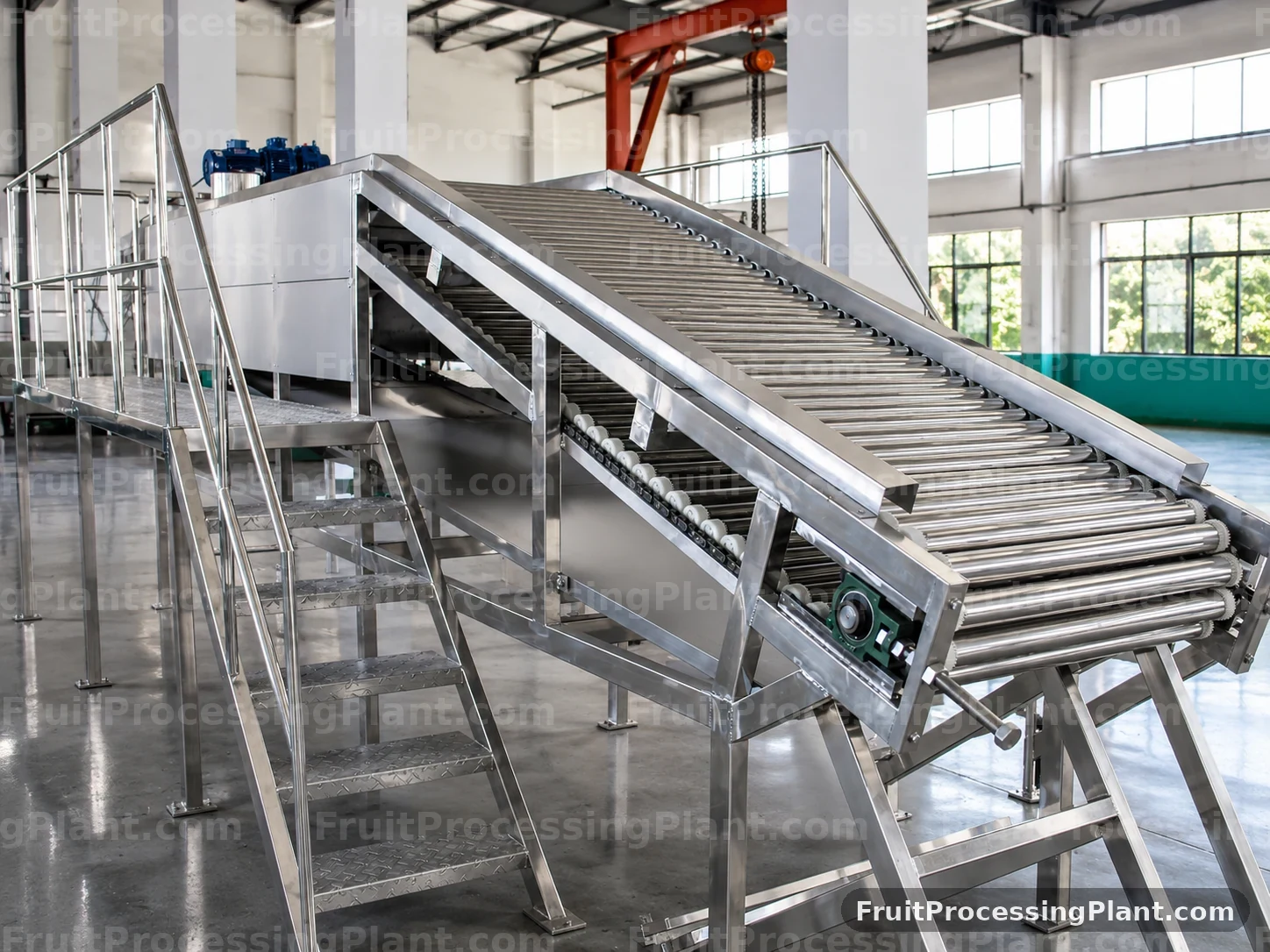
Supports visual inspection, rotation and manual removal of defective raw material.
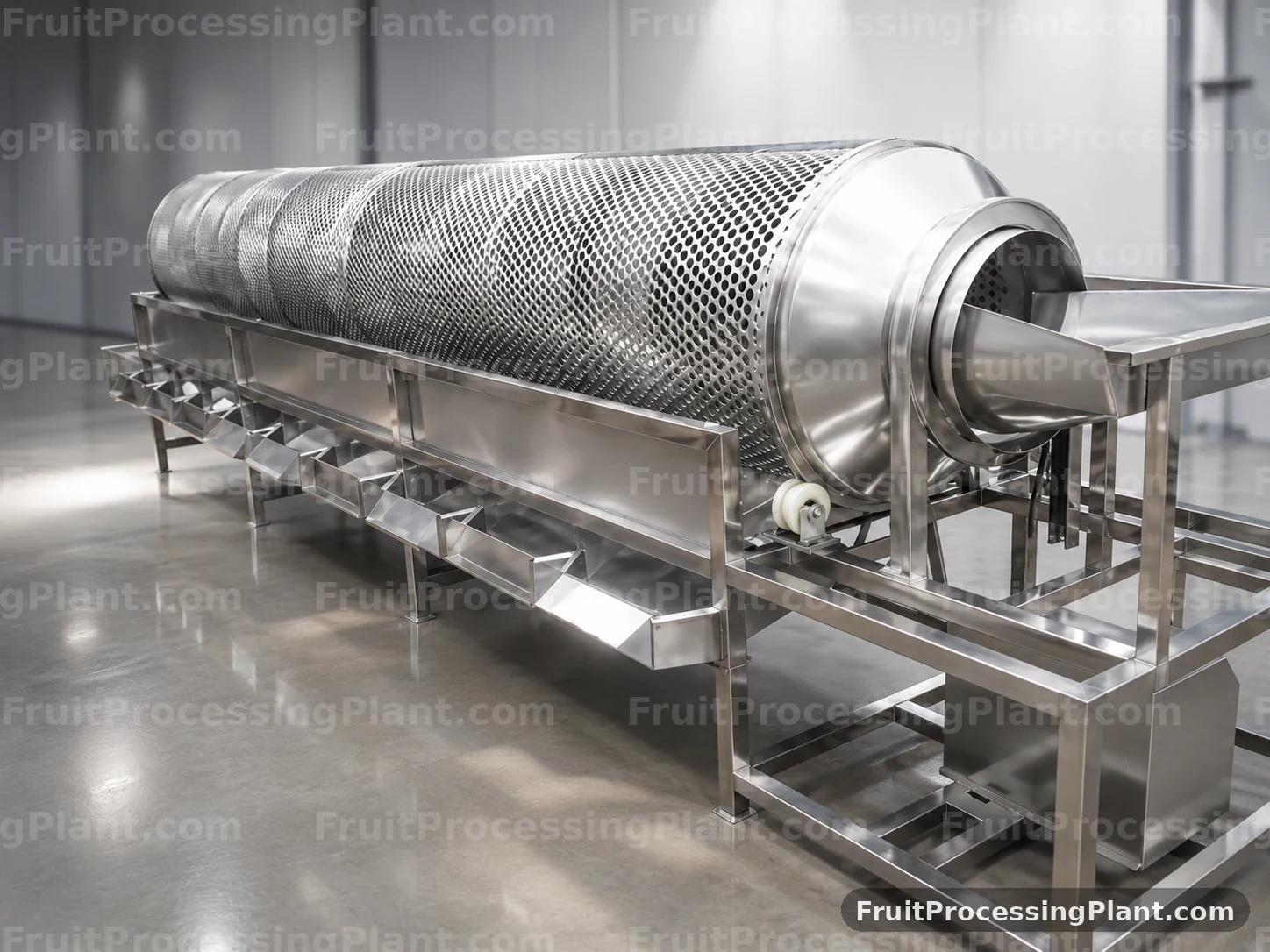
Separates by size range so downstream peeling, cutting or extraction can run more consistently.
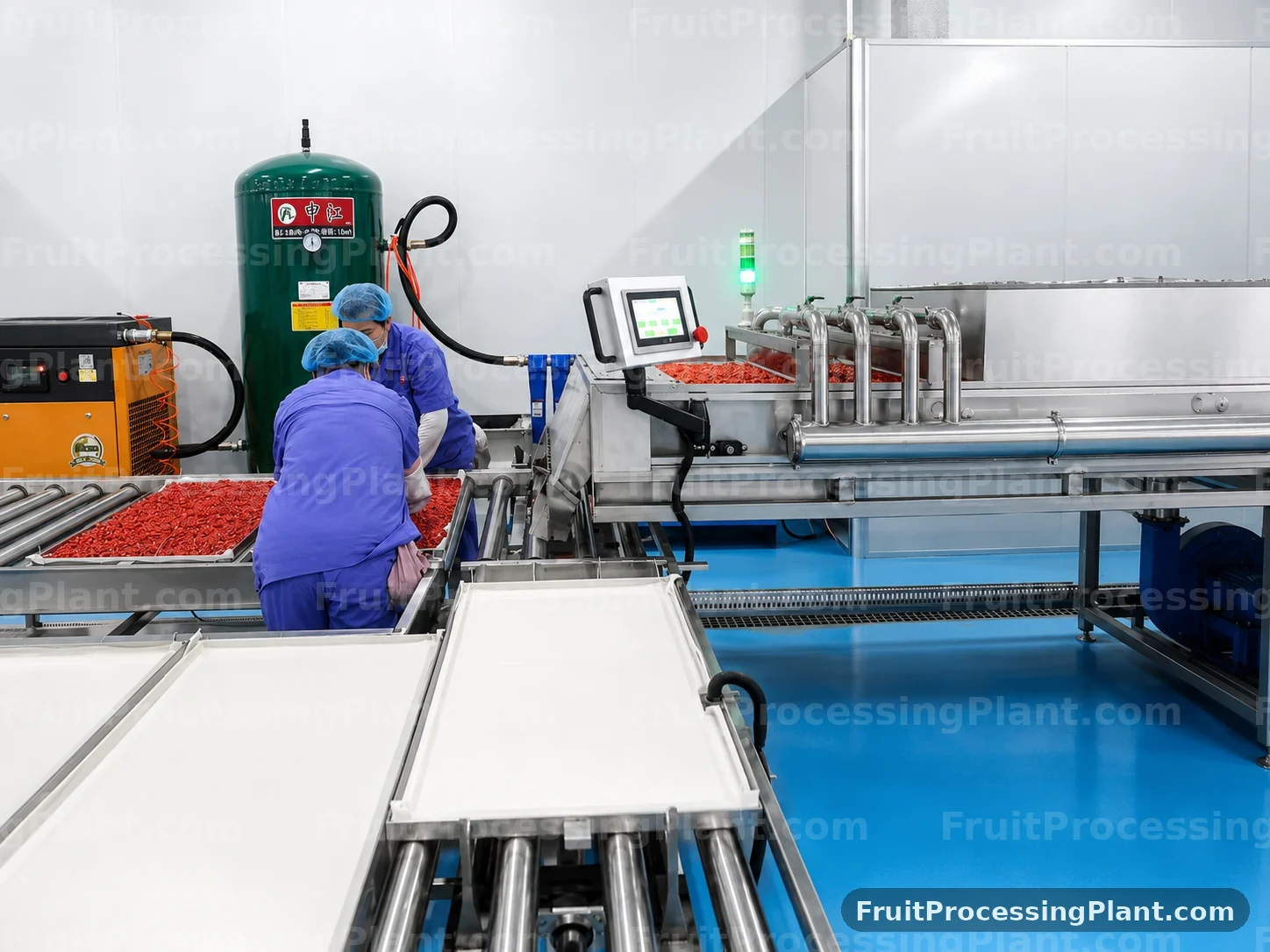
Used when surface water removal is needed before packing, cutting or special downstream handling.
| Parameter | Typical Reference | Why It Matters |
|---|---|---|
| Raw material | Fruit or vegetable type, firmness, size and surface condition | Determines bubble, brush, spray or grading route. |
| Capacity | Typical reference only for preliminary planning: state t/h or tons/day | Sets washer width, tank volume and conveyor speed. |
| Soil and impurity load | Leaves, stones, mud, sand, stems or rotten fruit | Affects water circulation, filter and discharge design. |
| Damage tolerance | Soft fruit, ripe fruit or firm root material | Controls agitation, brush contact and drop height. |
| Sorting requirement | Manual inspection, grading, defect removal or size separation | Defines conveyors, rollers and labor stations. |
| Water and drainage | Available water, recycling plan and drain position | Affects sanitation, installation and operating cost. |
| Next process | Crusher, juicer, pulper, peeler, IQF or packing | Controls discharge height and transfer method. |
Start with raw material firmness and surface contamination. Bubble washing is gentler and often used for fruit that can be damaged by mechanical contact. Brush washing is useful for firm fruit or root vegetables with soil on the surface. Many industrial lines use a combination of soaking, spraying, bubble washing, brushing and inspection. The RFQ should include photos or sample descriptions when possible.
Sorting is strongly recommended when raw material quality varies. Rotten, damaged or immature fruit can reduce flavor, color, yield and microbiological stability. A roller inspection conveyor or grading machine gives operators a place to remove defects before the crusher or pulper. The cost of poor sorting often appears later as lower product quality, more cleaning work and unstable downstream operation.
Sometimes, but the design must consider size, floating behavior, skin strength and damage tolerance. A washer suitable for firm apples may be too aggressive for ripe mango or berry products. If the plant will process multiple fruits, list all raw materials in the RFQ and mark the priority product. That allows the washing section to be configured with adjustment range and cleanability.
Provide available water flow, water quality, drain position, power supply and whether recycled water is allowed. Washing equipment can consume significant water if recirculation and filtration are not designed. Drainage also affects installation because soil, leaves and solids must be removed without blocking the plant floor. These details help avoid layout changes after equipment selection.
Send raw material type, size range, condition, soil load, hourly capacity, sorting requirement, next process, building layout, water source, drainage position and preferred automation level. If the raw material is fragile or seasonal quality changes sharply, include that information. Washing and sorting looks simple, but it decides whether the rest of the line receives stable, clean material.
Washing and sorting equipment RFQ data should include raw material, finished product, capacity, Brix, viscosity, packaging format, utility conditions, factory layout, automation requirement and timeline.