Can you give a fixed fruit processing plant cost from the website?
No. A responsible quotation needs raw material, finished product, capacity, Brix, viscosity, packaging and utilities. Two plants with the same fruit can have very different equipment if one makes juice and the other makes puree or concentrate. This page is reference only for RFQ preparation, not a public price list.
Which equipment usually has the biggest cost impact?
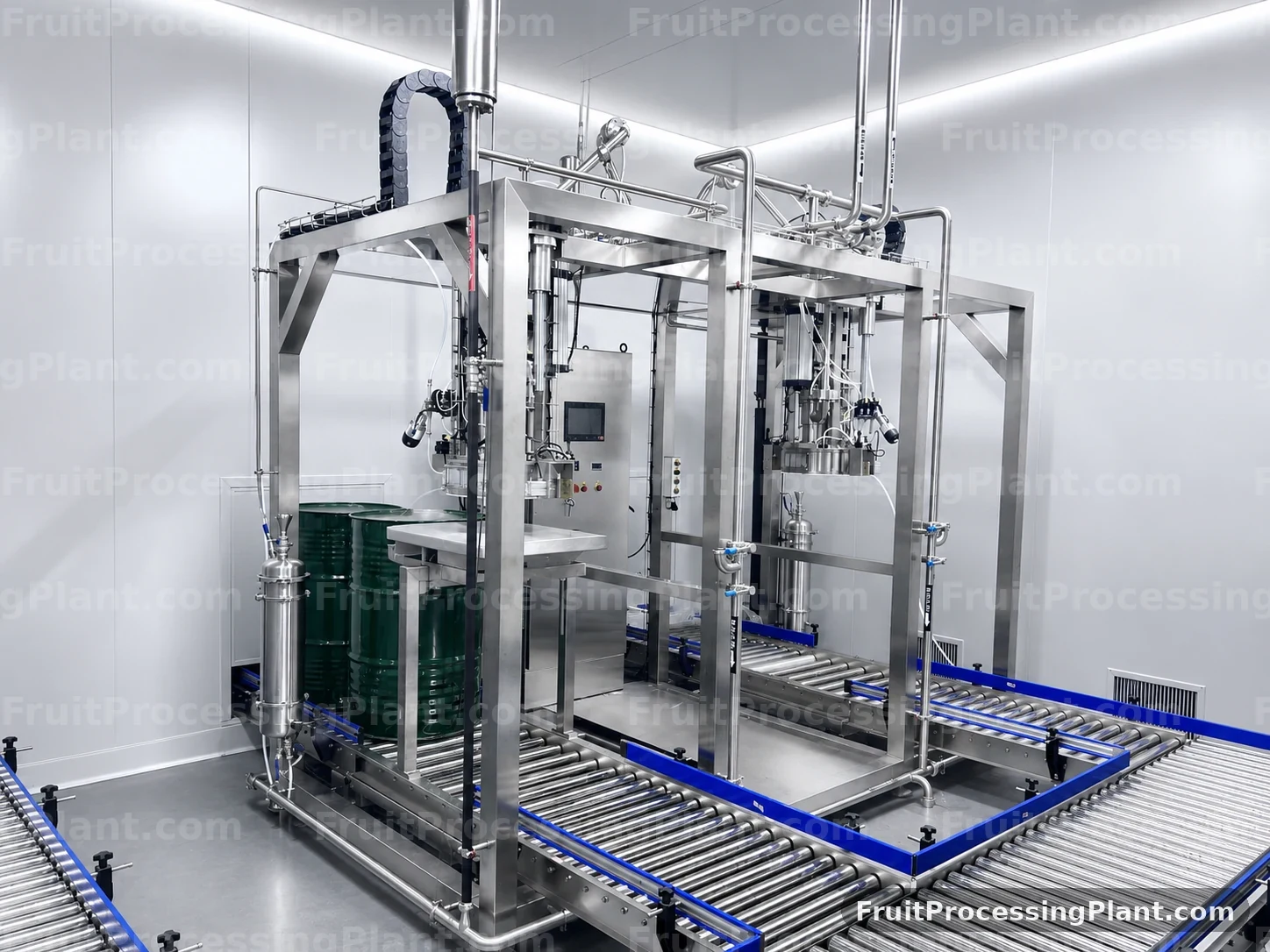
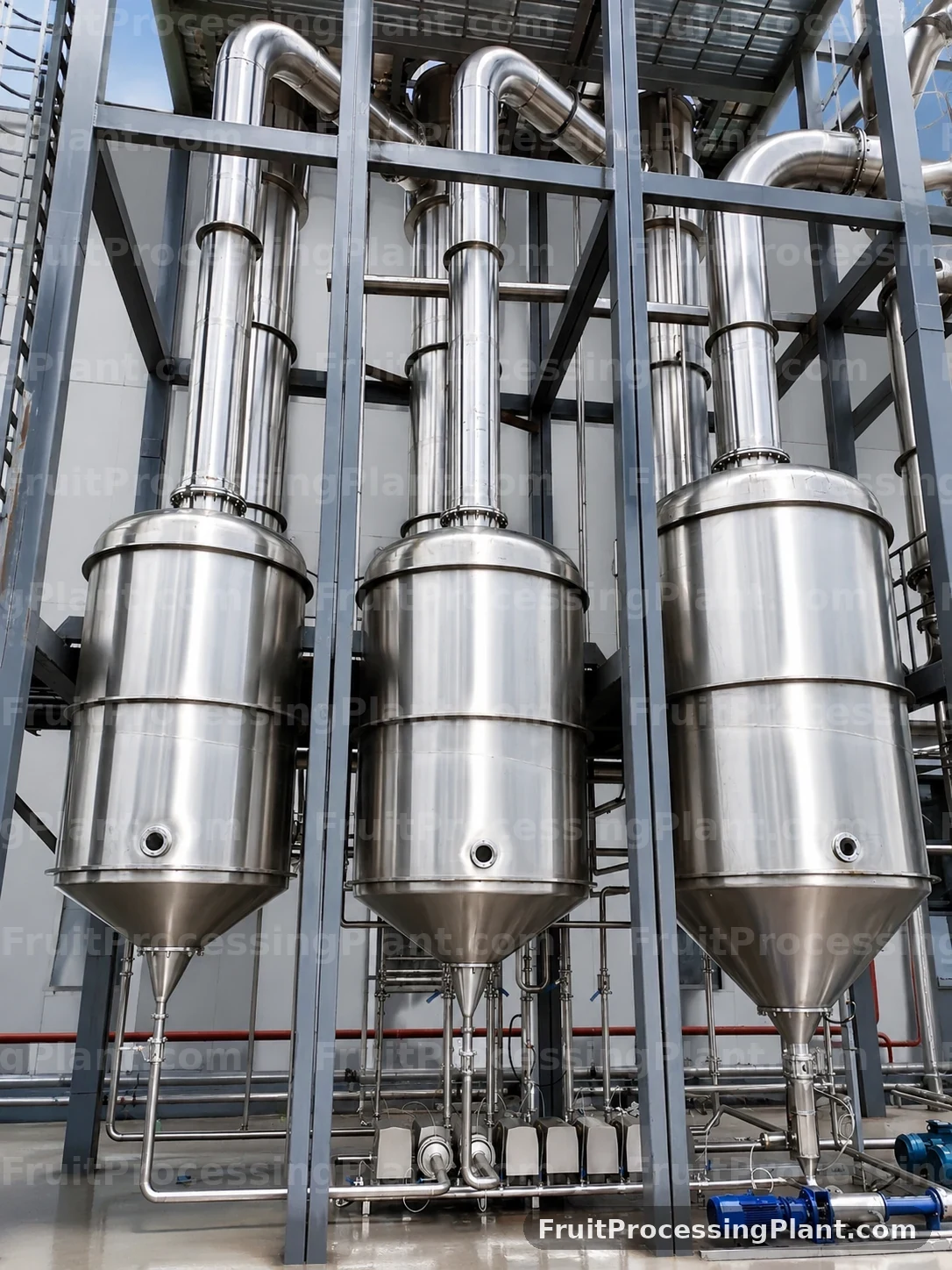
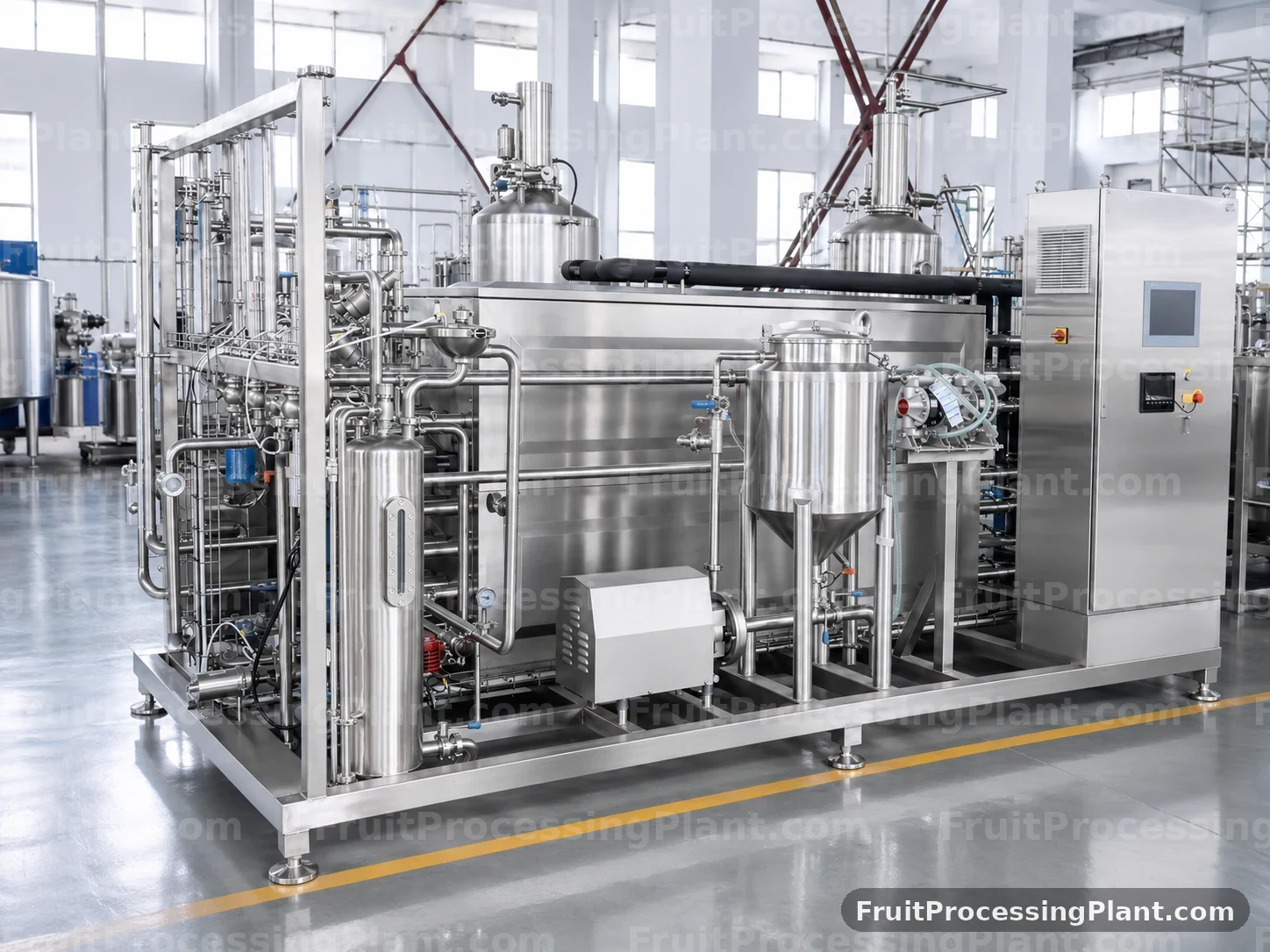
Evaporators, sterilizers, aseptic fillers, pulping systems, CIP and automation often drive large differences. The impact depends on product route. A tomato paste line may be dominated by evaporation and viscous heat treatment, while a clear juice line may spend more attention on pressing, clarification and filtration.
How can I reduce cost without choosing the wrong line?
Start by defining the priority finished product and packaging route. Avoid buying modules that are only needed for future products unless the future expansion is realistic. Share utility limits and layout early so the quotation can avoid oversized or unsuitable equipment. Cost control should not remove sanitation, cleanability or core process reliability.
Does higher capacity always mean lower unit cost?
Not automatically. Larger capacity can improve throughput, but it also increases receiving, tanks, heat exchangers, filling speed, utilities and cleaning demand. If seasonal supply is limited, an oversized line may sit idle. Capacity should match raw material availability, shift schedule, labor and packaging plan.
What should I send to get a useful cost estimate?
Send raw material, finished product, capacity, initial Brix, target Brix, viscosity, particle requirement, heat treatment, packaging, steam, power, compressed air, cooling water, CIP expectation, factory layout, automation requirement and project timeline. If a value is not final, mark it as reference only.