
No fixed public price
Different finished products, capacities, packaging routes and automation levels require different configurations, so a responsible quote needs RFQ data.
fruit puree line cost changes with fiber, seed removal, viscosity, deaeration, sterilization and filling format. Any values discussed before engineering confirmation are reference only and should not be treated as a public price list.
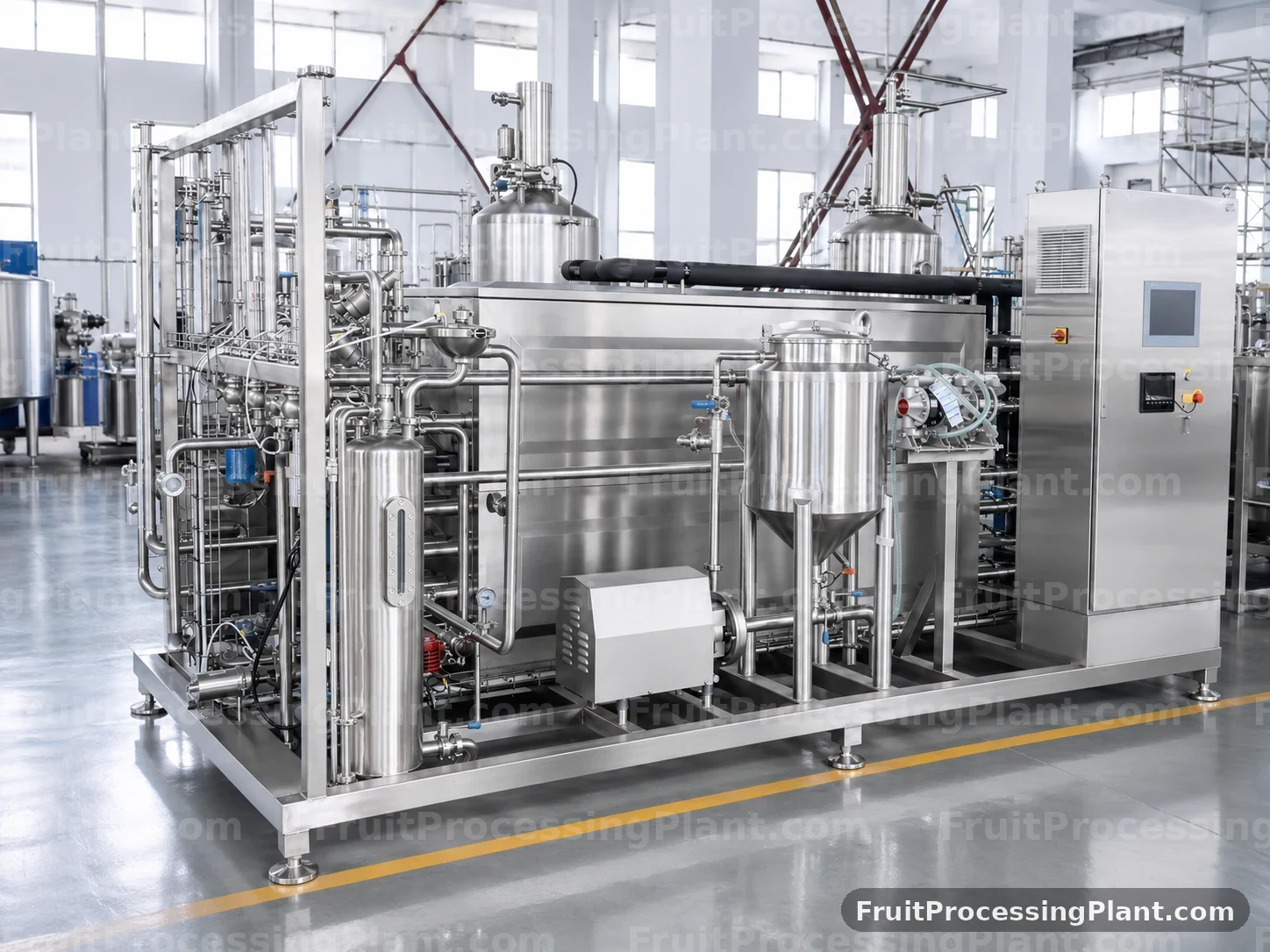
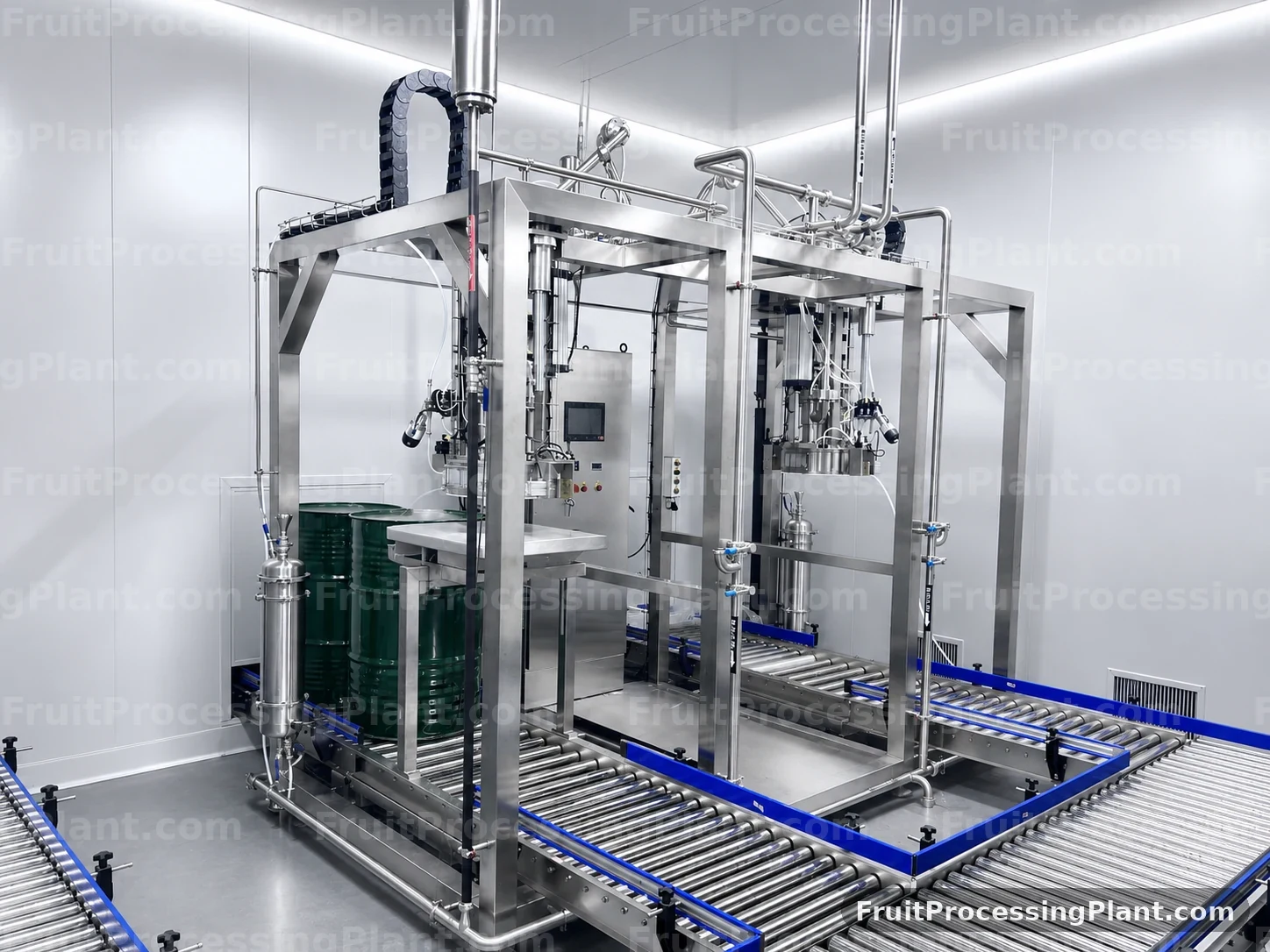
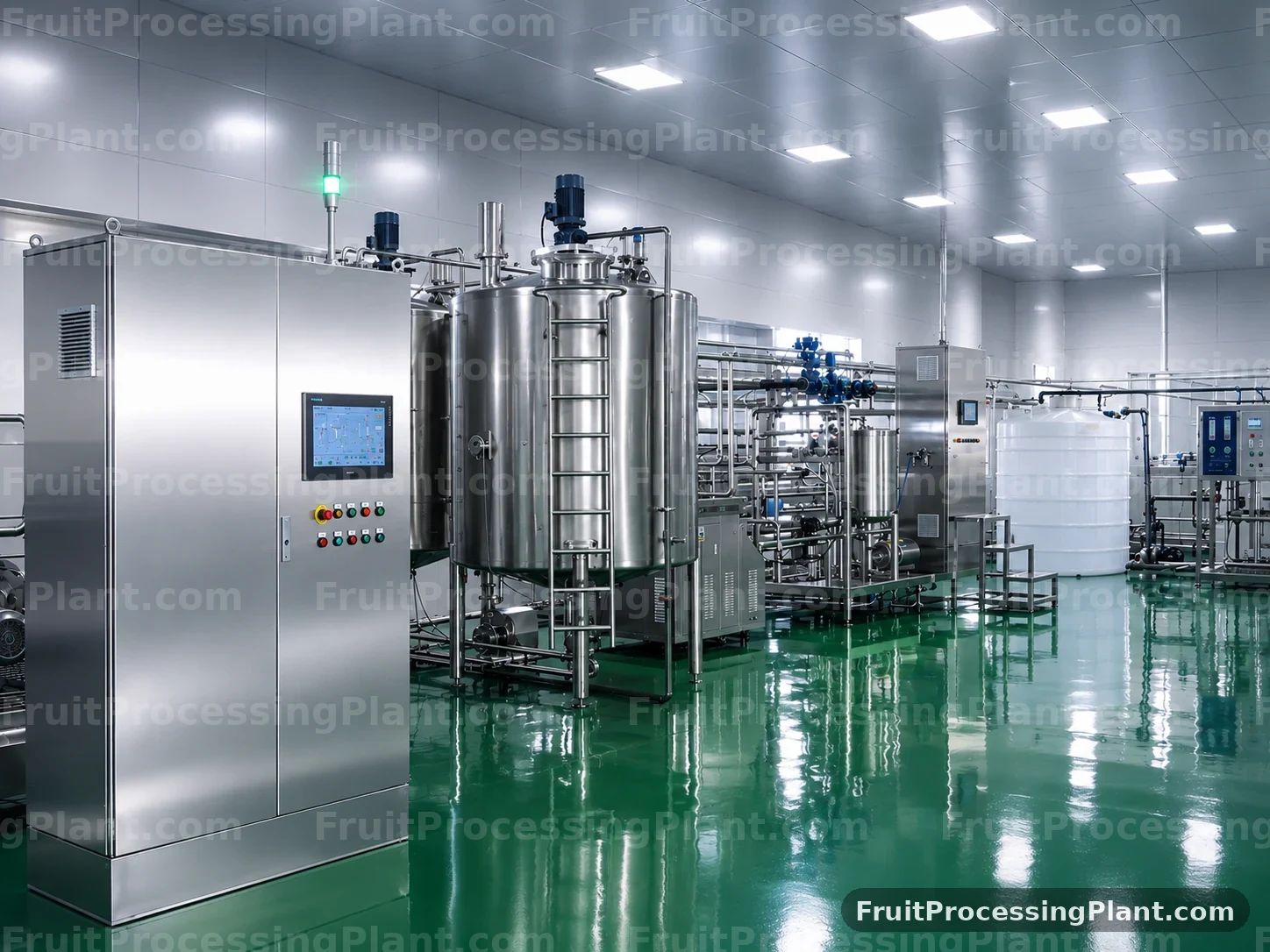
Use the fruit puree processing line for process flow and the fruit puree processing plant for complete plant scope. This guide focuses on the inputs that change a quotation.
Different finished products, capacities, packaging routes and automation levels require different configurations, so a responsible quote needs RFQ data.
All planning notes here are reference only. A formal quotation should be based on raw material, finished product, capacity, Brix, viscosity, packaging, utilities and layout.
The goal is to help buyers avoid comparing incomplete quotations and to send enough data for engineers to build a practical line configuration.
Fruit puree cost should be based on the main fruit and finished product first. A flexible multi-fruit plant can be useful, but every extra route adds valves, tanks, screens, cleaning circuits or control recipes.
| Cost Driver | Typical Reference Only | Why It Changes Quotation |
|---|---|---|
| Fruit type and preparation | Mango, guava, berry, peach, tomato and mixed fruit need different prep modules. | Shared plant scope must be sized around the priority product. |
| Pulping and refining | Screen size, stages, seed removal, fiber control and particle target. | Texture quality and yield depend on this section. |
| Viscosity and deaeration | Vacuum deaerator, pumps, tanks and tubular heat treatment. | Thick puree affects heat transfer, filling and cleaning. |
| CIP and automation | Manual, semi-auto or recipe-based CIP and PLC control. | Cleaning time and changeover affect real plant output. |
Cutting the wrong module can reduce yield, shelf life or cleaning reliability. Confirm the finished product and sanitary route before simplifying the equipment scope.
Future flexibility can be useful, but every future route may add valves, tanks, screens, CIP circuits or controls. Mark future items separately in the RFQ.
Steam, cooling water, compressed air, power and drainage can change equipment size, layout and installation. Utility limits should be shared before final quotation.
The review separates puree cost drivers by fruit preparation, texture target, viscosity, thermal route, aseptic packaging, flexibility and cleaning requirements.
Use these checkpoints for early project evaluation. Final equipment selection requires confirmed product data, utility conditions and process requirements.
Direct answers below explain the decisions that change process scope, equipment selection and quotation quality.
Mango needs destoning, guava needs hard-seed control, berries may need fine seed separation and banana needs peeling and browning management. These preparation differences change machines, labor, waste conveyors and floor space before the shared puree section begins. A generic puree capacity therefore cannot define a complete equipment price.
Finer screens or additional pulping stages can improve texture and control seeds or fiber, but they add equipment, drive power, wear parts and cleaning area. They may also increase product loss in residue. The quotation should use an agreed texture target and representative raw material so cost is linked to saleable puree quality.
Tube-in-tube equipment may be required when viscosity, fiber or particles make plate channels or standard tubular passages unsuitable. This can increase heat-transfer area, pump requirements and CIP duty. Selection should use viscosity at process temperature, particle size, target flow, thermal schedule and fouling behavior rather than the word puree by itself.
The increase depends on whether the additional fruits need new preparation machines or can share existing modules. Flexible tanks, change parts, recipes and CIP may be enough for compatible products. Fruits with different stones, seeds, peel, allergens or thermal behavior can require dedicated equipment and more complex hygiene zoning, which changes cost materially.
Define one priority product and separate essential modules from future options. Use a phased layout, retain practical automation and avoid specifying unnecessary concentration or packaging routes. Cost reduction should not remove sanitation, safe access, CIP coverage or the passage size required by the product, because those omissions create operating problems rather than savings.
For Fruit Puree Processing Line Cost, send raw material, finished product, capacity, Brix, viscosity, packaging format, utility conditions, factory layout, automation requirement and project timeline.