Juice versus puree
Juice routes focus on extraction, clarification, deaeration and filtration stability. Puree routes focus on pulping, refining, viscosity, fiber and sterilization through a heat exchanger that can handle thicker product.
A practical process flow connects raw material behavior, finished product target, heat treatment, filling, CIP and utilities into one plant design. Use this page to prepare engineering data before requesting a quotation.
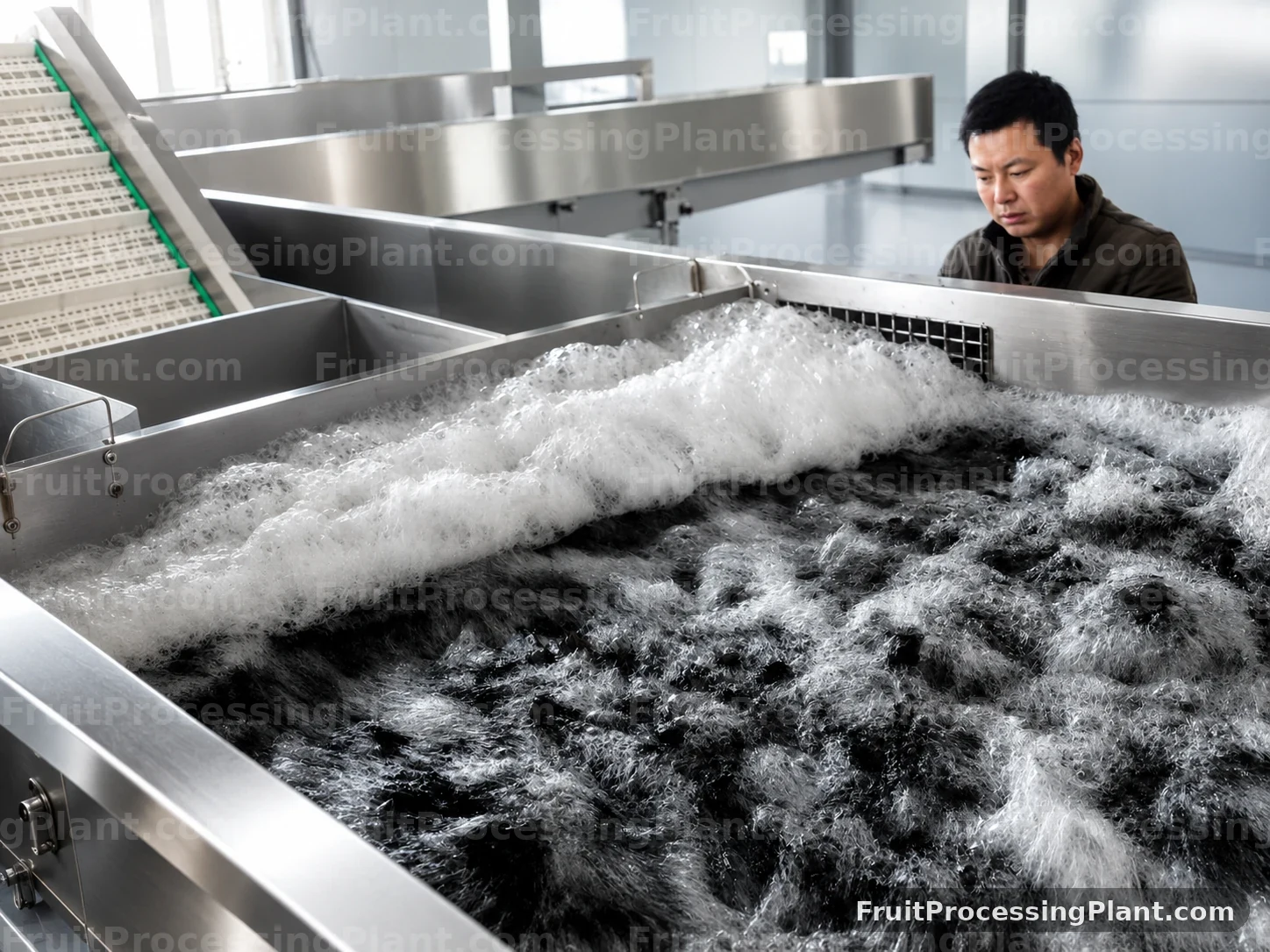
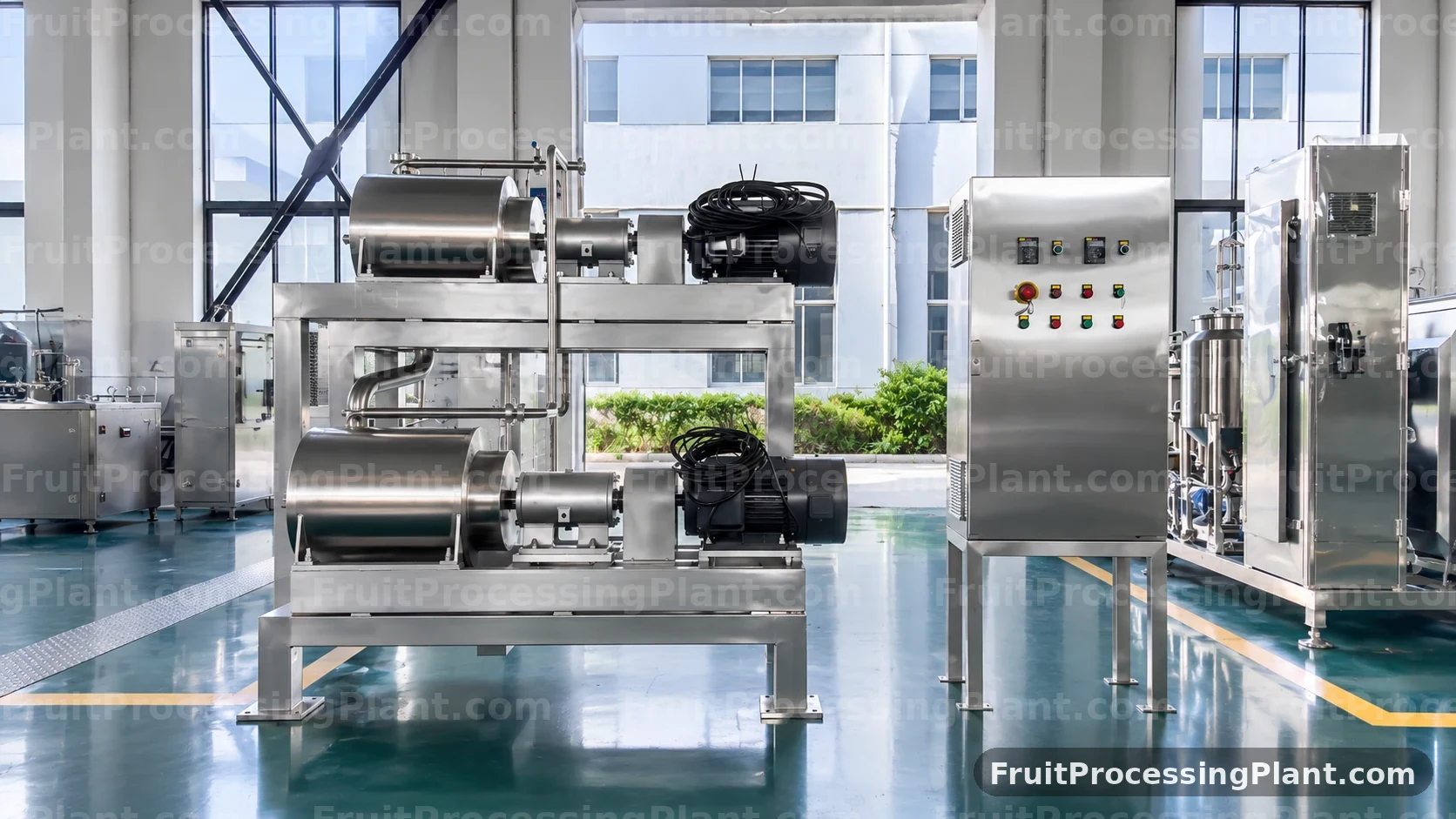
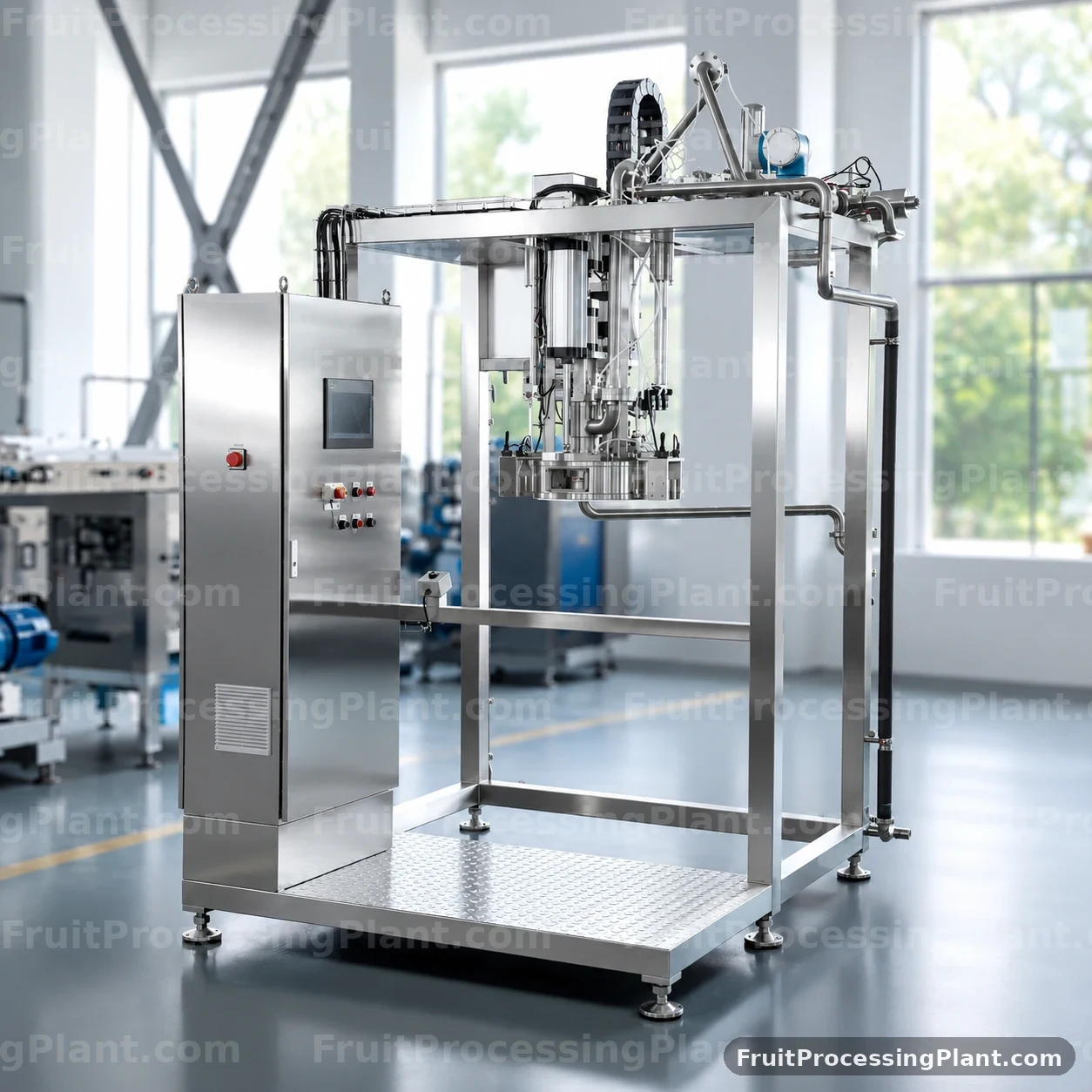
The basic industrial route is Receiving → Washing → Sorting → Crushing / Destoning / Pulping → Deaeration → Sterilization → Evaporation if needed → Filling → CIP. The exact order and equipment change with fruit type, product texture, Brix target, packaging and shelf-life requirement.
Check variety, maturity, foreign matter, temperature, defect rate and supply rhythm before designing the pretreatment capacity.
Remove soil and damaged material early so downstream extraction, heat treatment and cleaning do not carry avoidable risk.
Use fruit structure to choose belt press, pulper, crusher, destoner, citrus extractor or passion fruit juicer.
Control oxygen, foam, pulp load and holding time before sterilization or filling.
Select plate, tubular or tube-in-tube heating and add evaporation only when concentrate is required.
Plan filling, cleaning circuits, PLC interlocks and utilities together, because they decide whether the line can run reliably.
Juice routes focus on extraction, clarification, deaeration and filtration stability. Puree routes focus on pulping, refining, viscosity, fiber and sterilization through a heat exchanger that can handle thicker product.
NFC product favors shorter residence time and flavor protection. Concentrate adds evaporation, higher Brix control, cooling and usually aseptic bulk packaging.
Bottle, pouch, jar, can and aseptic bag filling use different temperature, hygiene and shelf-life logic. Packaging should be chosen before final sterilizer and filler sizing.
| Data to Confirm | Typical Reference | Why It Matters |
|---|---|---|
| Raw material | Fruit/vegetable type, fresh or frozen, defect level and season | Defines pretreatment and yield assumptions. |
| Finished product | Juice, puree, pulp, concentrate, sauce, IQF or aseptic bulk | Changes the whole flow route. |
| Capacity | Typical reference only for preliminary planning: state t/h, tons/day or batch size | Drives equipment size and utilities. |
| Brix and viscosity | Initial Brix, target Brix and product viscosity | Affects evaporation, pumps and heat exchanger choice. |
| Particles and fibers | Seed, skin, pulp, fiber, grit and particle size limits | Determines pulper, refiner and sterilizer selection. |
| Utilities | Steam, power, compressed air, cooling water and CIP | Shows whether the proposed line can run in the real factory. |
| Layout | Available building size, drain position and material flow direction | Avoids equipment selection that cannot fit or clean properly. |
Compare related process, capacity, packaging and cost guides before defining the project scope and RFQ inputs.
Process flow RFQ data should include raw material, finished product, capacity, Brix, viscosity, packaging format, utility conditions, factory layout, automation requirement and timeline.