Review method
We check the guide's selection logic against official regulatory or standards material and relevant engineering literature, while keeping each source attached to its stated scope.
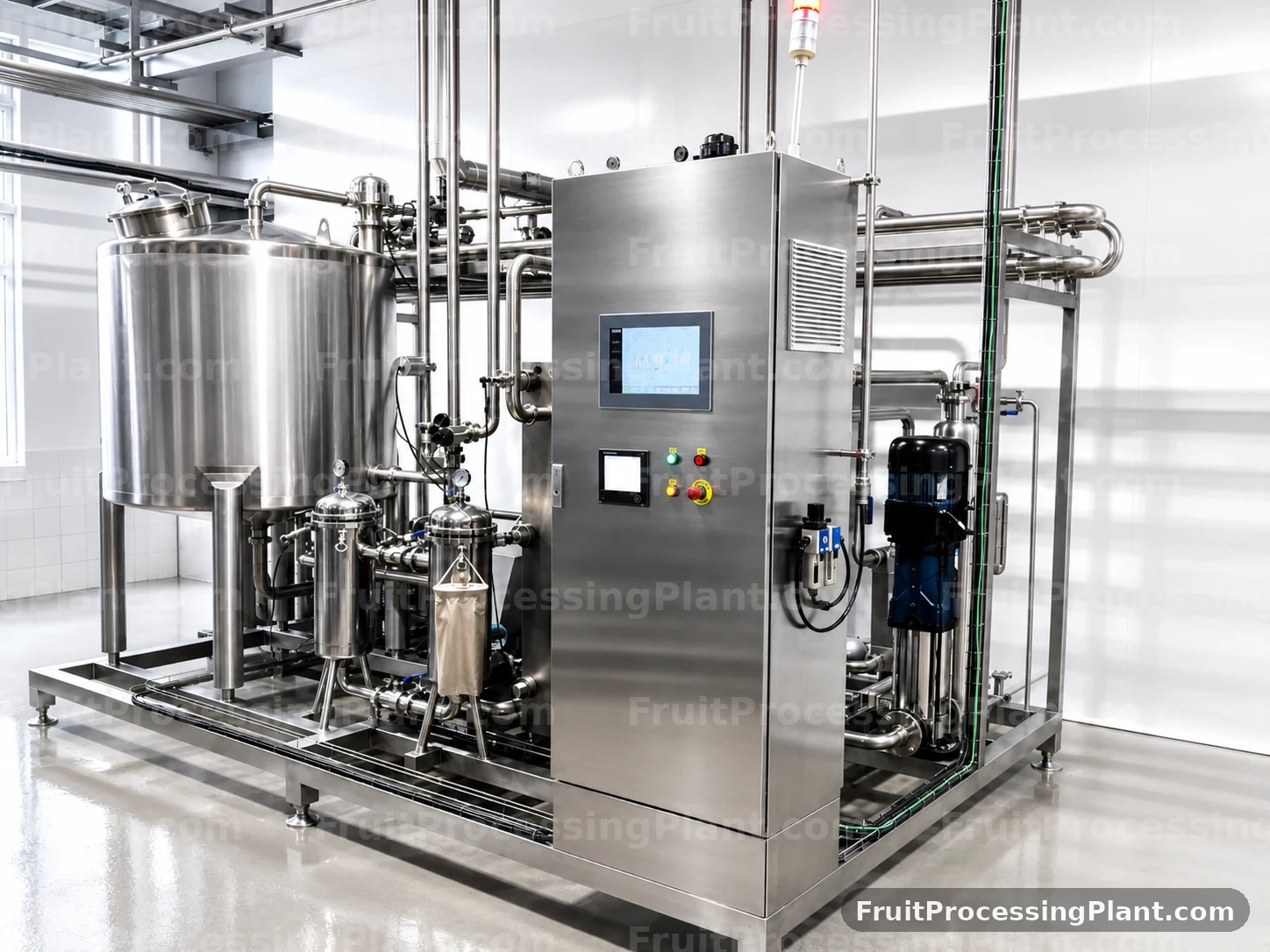
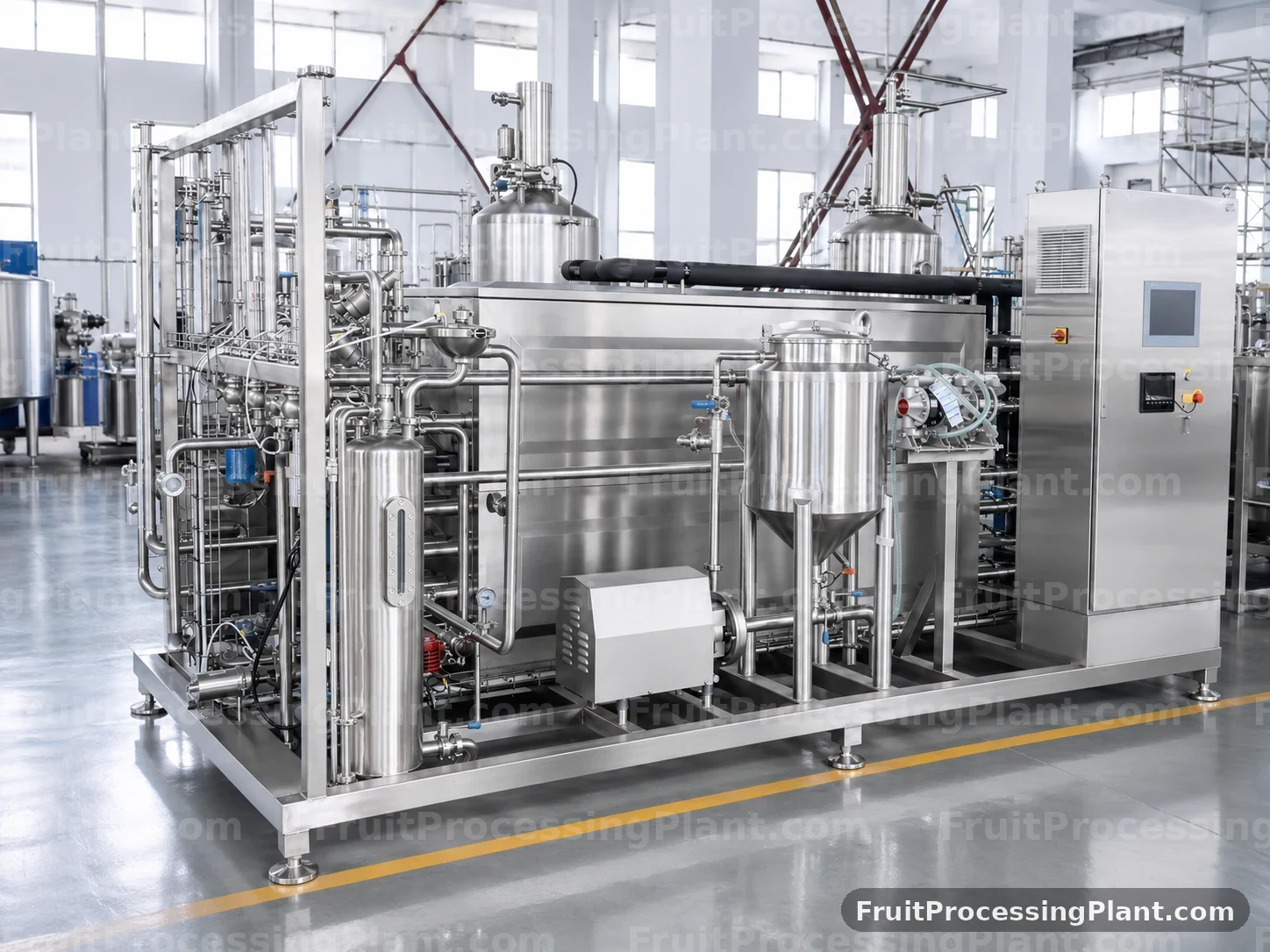
Plate and tubular sterilizers serve different product behaviors. The right choice depends on viscosity, pulp, particles, fouling and cleaning access.
Use the linked source and its current revision for the actual product and market. A citation does not make a result transferable to another product or installed line.
We check the guide's selection logic against official regulatory or standards material and relevant engineering literature, while keeping each source attached to its stated scope.
This evidence supports preliminary equipment selection and RFQ planning. It does not replace product trials, a qualified process authority, site-specific design, or destination-market compliance review.
Low-viscosity juice often fits plate heat exchange, while pulpy juice and puree may need tubular handling.
Choose plate sterilizer when the product is low-viscosity, mostly liquid and has limited pulp or particles.
Choose tubular sterilizer when pulp, fiber, viscosity or fouling risk is higher.
Send viscosity, pulp percentage, particle size, pH and packaging route before selection.
| Item | Plate Sterilizer | Tubular Sterilizer |
|---|---|---|
| Product fit | Clear juice, low-pulp beverage | Cloudy juice, puree, nectar, pulpy products |
| Cleaning | Compact but sensitive to clogging | Better access for pulpy or fouling-prone products |
| Heat transfer | High efficiency for liquid products | More tolerant of particles and viscosity |
| Quotation driver | Plate area and control valves | Tube diameter, holding tube and pump pressure |
No. The better option depends on product viscosity, particle level, pH, shelf life, packaging, utility limits and cleaning expectations.
No. Equipment names are shortcuts. The decision should be made from product data and factory boundary, then checked against cleaning, operation and expansion needs.
Send raw material, finished product, capacity, Brix, viscosity, particles, heat-treatment target, packaging, steam, cooling water, CIP and automation expectations.
No. Any values are reference-only planning logic. Final selection should be confirmed through engineering review and product testing where needed.
Share raw material, finished product, hourly capacity, Brix, viscosity, packaging, utilities, factory layout, automation requirement and timeline. Values can be preliminary references for early engineering review.