
Process route first
Juice concentrate, puree, pulp, paste and sauce base all affect aseptic filling design. The same raw material can use different equipment when the product changes from juice to puree, concentrate or aseptic bulk.
Aseptic filling line cost depends on the product, filling head count, sterile transfer, SIP, CIP, package size, automation and upstream sterilizer interface.
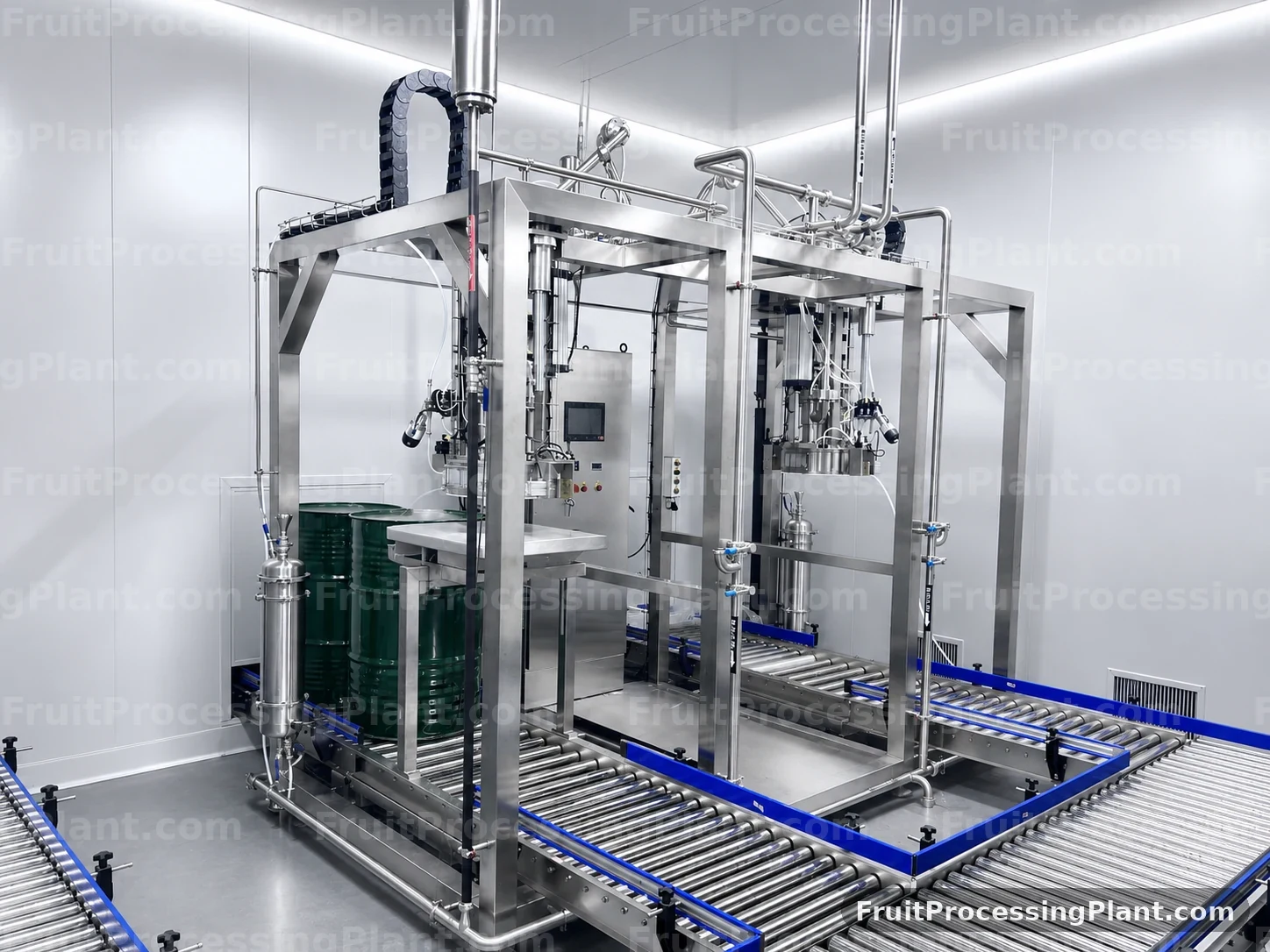
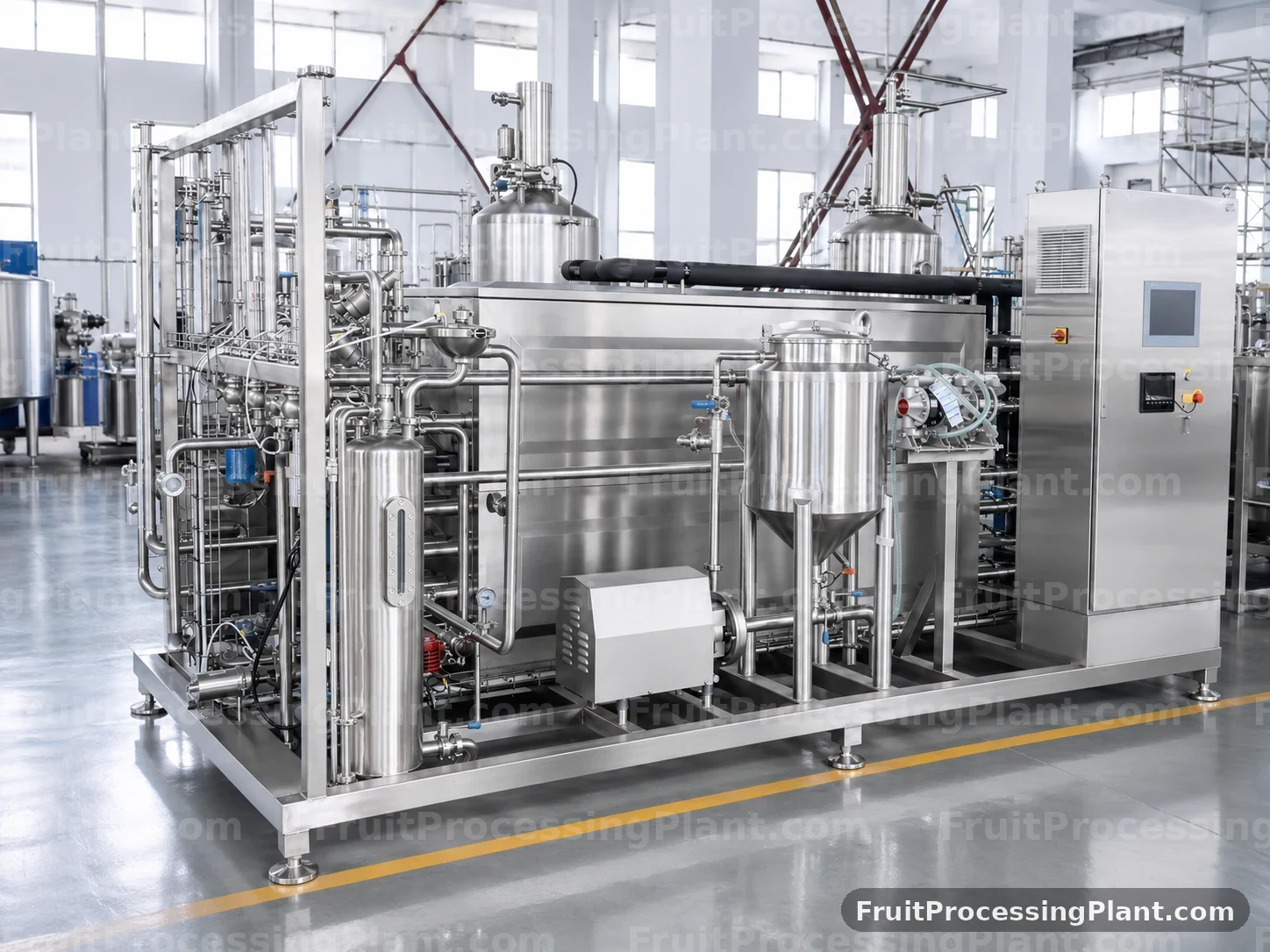
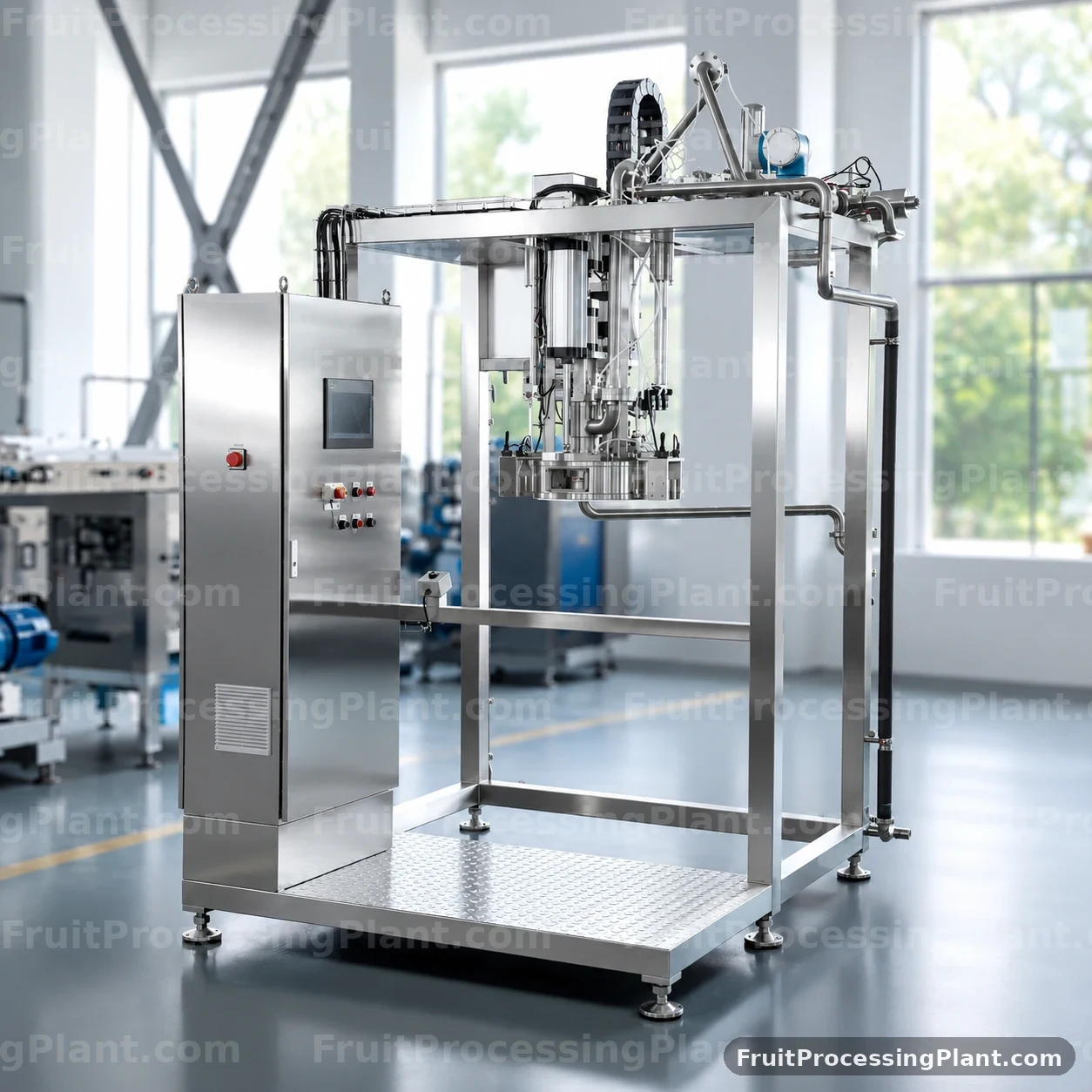
Aseptic filling should be budgeted with sterilization and sterile transfer, not as an isolated filler.
Juice concentrate, puree, pulp, paste and sauce base all affect aseptic filling design. The same raw material can use different equipment when the product changes from juice to puree, concentrate or aseptic bulk.
Capacity should include filling weight, bag size, drum handling and upstream continuous flow. Treat early capacity values as reference only until shift hours, campaign length and raw material supply are confirmed.
Bag-in-drum, bag-in-bin and tote options change head type and conveying. Filling format changes heat treatment, sterile transfer, labor, utilities and factory layout.
| Cost Driver | Reference Only Planning Question | Why It Matters |
|---|---|---|
| Raw material preparation | Finished product, pH, viscosity, particles and filling temperature. | Changes washing, sorting, trimming, crushing, yield and waste handling. |
| Core extraction or pulping | Single-head, double-head, sterile valve group, drum scale and transfer pipe. | Controls the main machine group and downstream pump, tank and screen requirements. |
| Heat treatment | Upstream tubular, plate or tube-in-tube sterilizer interface. | Viscosity, particles, pH and shelf-life target decide plate, tubular or tube-in-tube equipment. |
| Concentration | Concentrated products are more viscous and may require different pumps. | Evaporation is a major cost and utility driver when target Brix is high. |
| Filling system | Bag size, spout type, drum or bin size and target filling accuracy. | Aseptic, hot-fill, bottle, pouch, can and jar routes use different sanitary logic. |
| Utilities and automation | Steam, power, compressed air, cooling water, CIP and PLC level. | Utilities and control scope often decide the real installed cost. |
For aseptic filling cost, send product type, viscosity, package drawing if available, filling weight, hourly output, upstream sterilizer and utility conditions.
The review defines aseptic filling cost as a connected sterile process boundary involving product sterilization, sterile transfer, filler heads, packages, utilities, CIP and validation.
Use these checkpoints for early project evaluation. Final equipment selection requires confirmed product data, utility conditions and process requirements.
Direct answers below explain the decisions that change process scope, equipment selection and quotation quality.
A filler price covers one machine, while a complete line may include sterilization, sterile transfer, product pumps, clean utilities, drum or bin conveyors, CIP integration, controls and package handling. The hygienic boundary and responsibility matrix determine what is actually supplied. Comparing only filler prices can omit the equipment needed to deliver sterile product safely.
A double-head arrangement is considered when required throughput, package change rhythm or continuous upstream flow makes one filling head a bottleneck. It may reduce interruption during bag or drum change. The decision should compare sterilizer output, package size, operator handling, available floor space and expected production hours rather than capacity labels alone.
Viscous or particle-containing products may require larger passages, appropriate valves, positive-displacement pumps and compatible tube-in-tube sterilization. These changes influence pressure rating, installed power, cleaning and control. Provide viscosity at filling temperature and maximum particle dimensions so the sterile process and filler are designed on the same product basis.
Requirements may include clean steam or another sterile medium, instrument air, cooling water, power and cleaning chemicals depending on the equipment design. Quality, pressure and flow matter as much as availability. The quotation should identify whether utility generation, treatment and distribution are included or whether the buyer supplies them at stated connection points.
Commissioning should verify sterilization sequences, sterile barriers, valve interlocks, package handling, fill weight control, alarms, diversion logic and CIP coverage. Product trials also need agreed temperature, viscosity and package conditions. Microbiological validation responsibilities and local sampling plans should be stated separately because they may require qualified laboratory and production support.
Share raw material, finished product, hourly capacity, Brix, viscosity, packaging, utilities, factory layout, automation requirement and timeline. Values can be preliminary references for early engineering review.