Suitable raw materials
Mango, guava, tomato, peach, apricot, berry, banana and mixed fruit puree routes can be discussed.
A 5 TPH fruit puree processing line is a mid-scale industrial route for pulp, puree, nectar base, paste and aseptic bulk products.
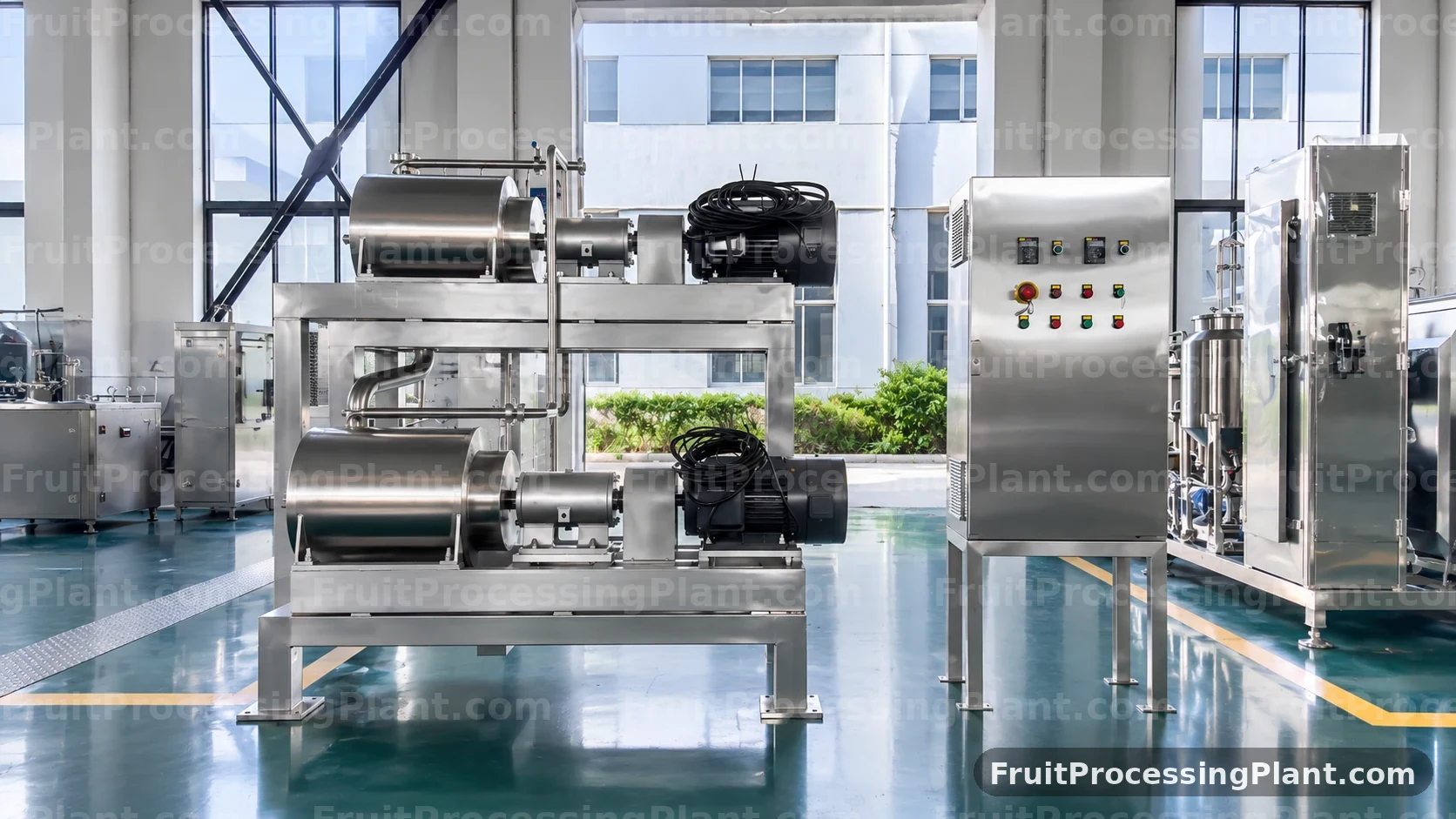
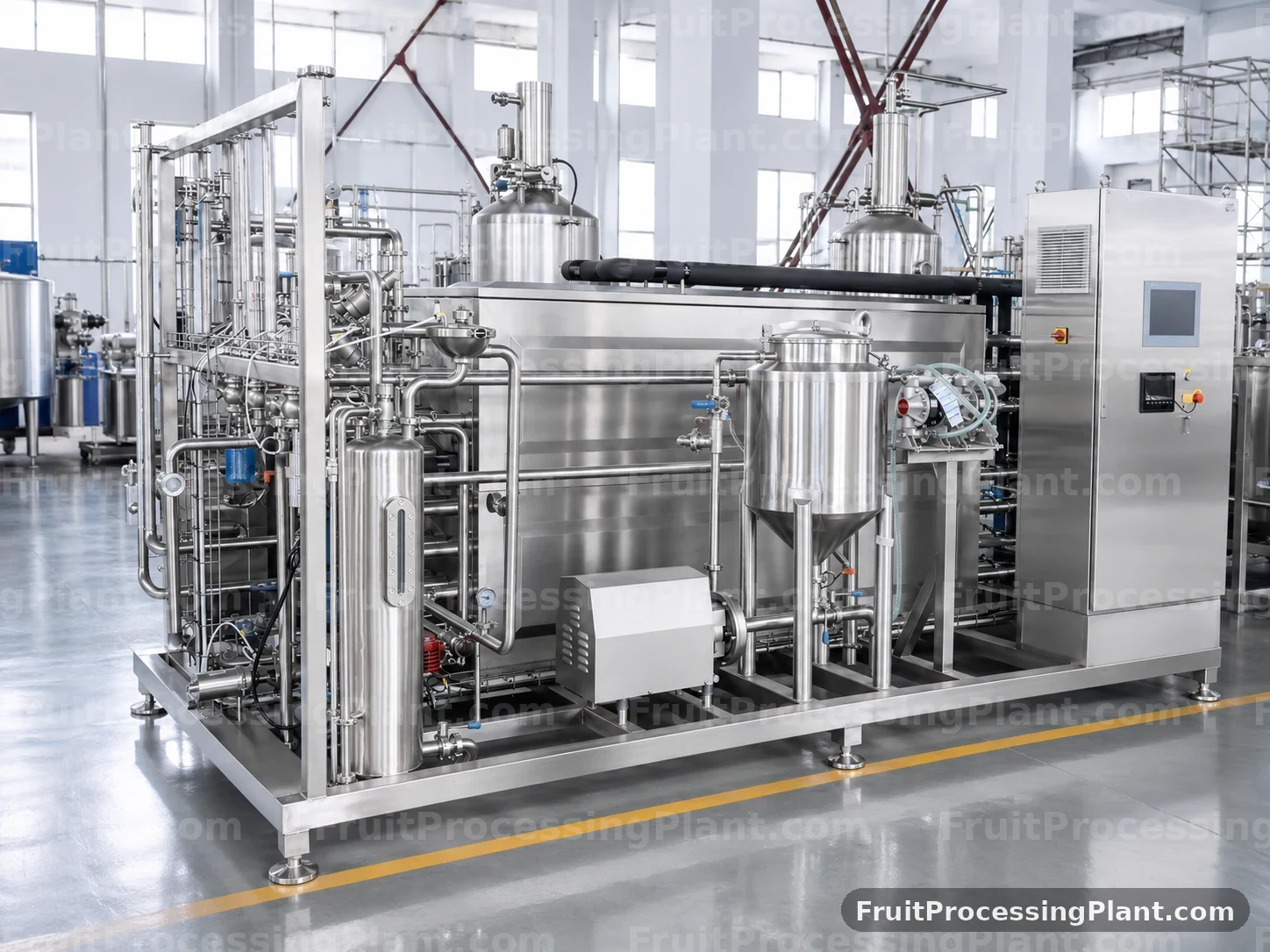
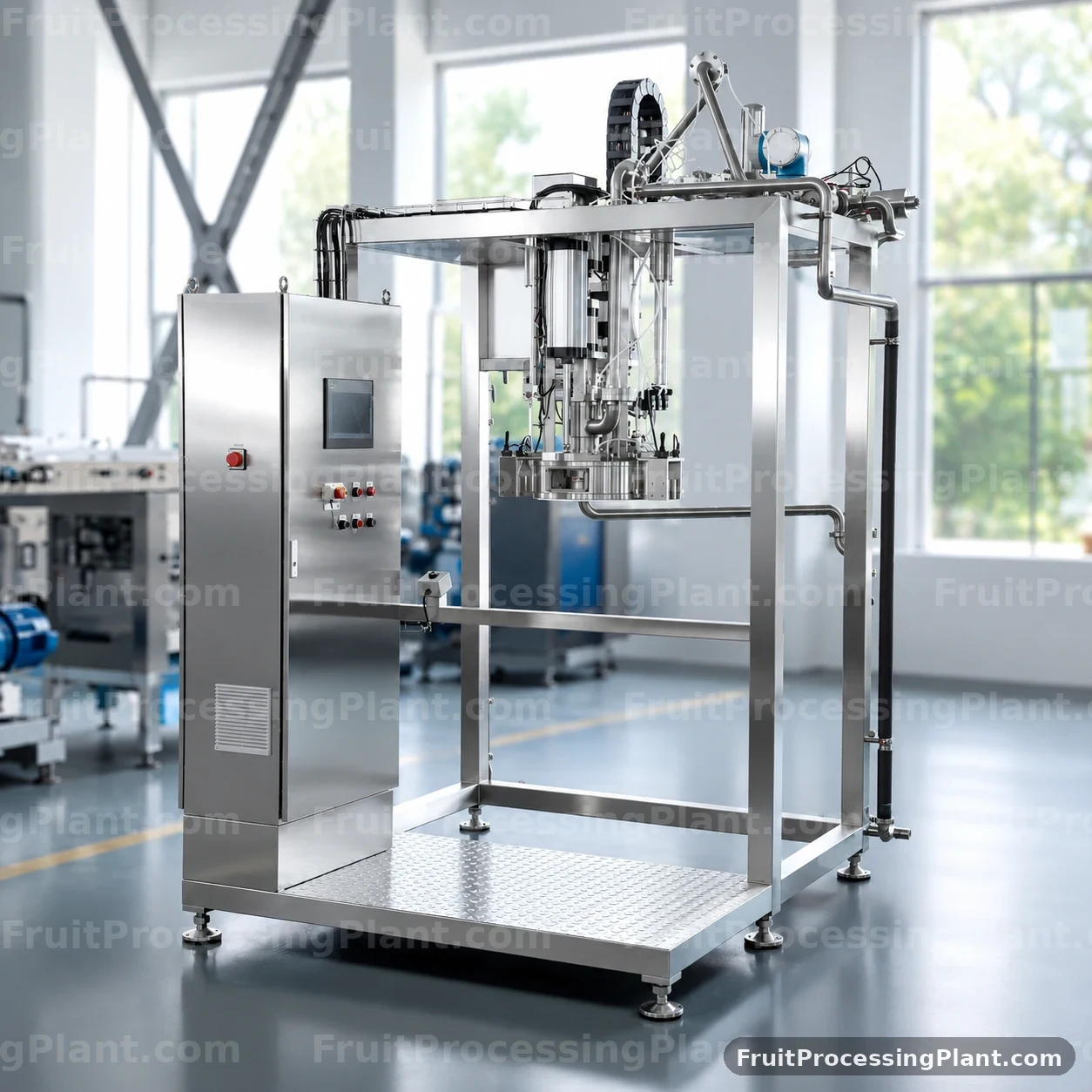
This capacity fits puree projects where pulper sizing, viscosity, deaeration, tubular sterilization and aseptic filling must be engineered together.
Mango, guava, tomato, peach, apricot, berry, banana and mixed fruit puree routes can be discussed.
Shift planning should consider fruit preparation speed, pulper throughput, sterilizer continuity and aseptic filling cycle.
The line may include washing, destoning or peeling, pulping, refining, deaeration, heat treatment, aseptic filling and CIP.
| Item | Reference Only Planning Question | Engineering Reason |
|---|---|---|
| Hourly intake | Reference only: 5 tons raw material per hour before peel, seed, stone and fiber waste. | Defines washer width, crusher or pulper size, tanks and filling speed. |
| Factory area | Allow enough floor space for fruit preparation, pulping, tanks, sterilizer, aseptic filler and CIP circuits. | Affects equipment layout, operator aisles, drainage and packaging movement. |
| Steam | Confirm pressure, boiler capacity and peak demand. | Sterilization, evaporation, hot water and CIP can all require steam. |
| Power | Confirm voltage, phase, frequency and installed power limit. | Motors, pumps, controls, refrigeration and utilities need electrical planning. |
| Cooling water | Confirm tower water, chilled water or process water availability. | Cooling controls product temperature, filling conditions and heat exchanger balance. |
| Labor | Manual trimming and destoning assumptions can change practical capacity. | Manual sorting, trimming, packaging and cleaning affect practical throughput. |
| Packaging | Aseptic bag-in-drum, bag-in-bin, pouch, jar or bottle can be discussed. | Bottle, pouch, can, jar and aseptic drum require different filler and line length. |
Screen size and rotor action control texture, seed removal and fiber target.
Tubular or tube-in-tube sterilizers are considered for pulpy products.
Sterile transfer and bag filling should match sterilizer output and packaging size.
No. Capacity pages are reference-only planning pages. Final sizing must be confirmed from raw material form, target product, shift hours, packaging and utilities.
Use fresh raw material intake per hour or per day, and also state the expected final product. A 3 TPH fruit juice line and a 3 TPH puree line can require different equipment.
Sometimes, but only if the preparation, pulping, heating and cleaning requirements are compatible. State the priority product first and list future products separately.
Building length, width, floor drain position, ceiling height, raw material receiving direction, packaging area, utilities and operator access all affect the layout.
Share raw material, finished product, hourly capacity, Brix, viscosity, packaging, utilities, factory layout, automation requirement and timeline. Values can be preliminary references for early engineering review.