
Process route first
Paste, puree, passata-style product and sauce base use different Brix and viscosity assumptions. The same raw material can use different equipment when the product changes from juice to puree, concentrate or aseptic bulk.
Tomato paste processing plant cost is mainly driven by hot break or cold break preparation, evaporation load, viscous sterilization, aseptic filling and seasonal utility demand.
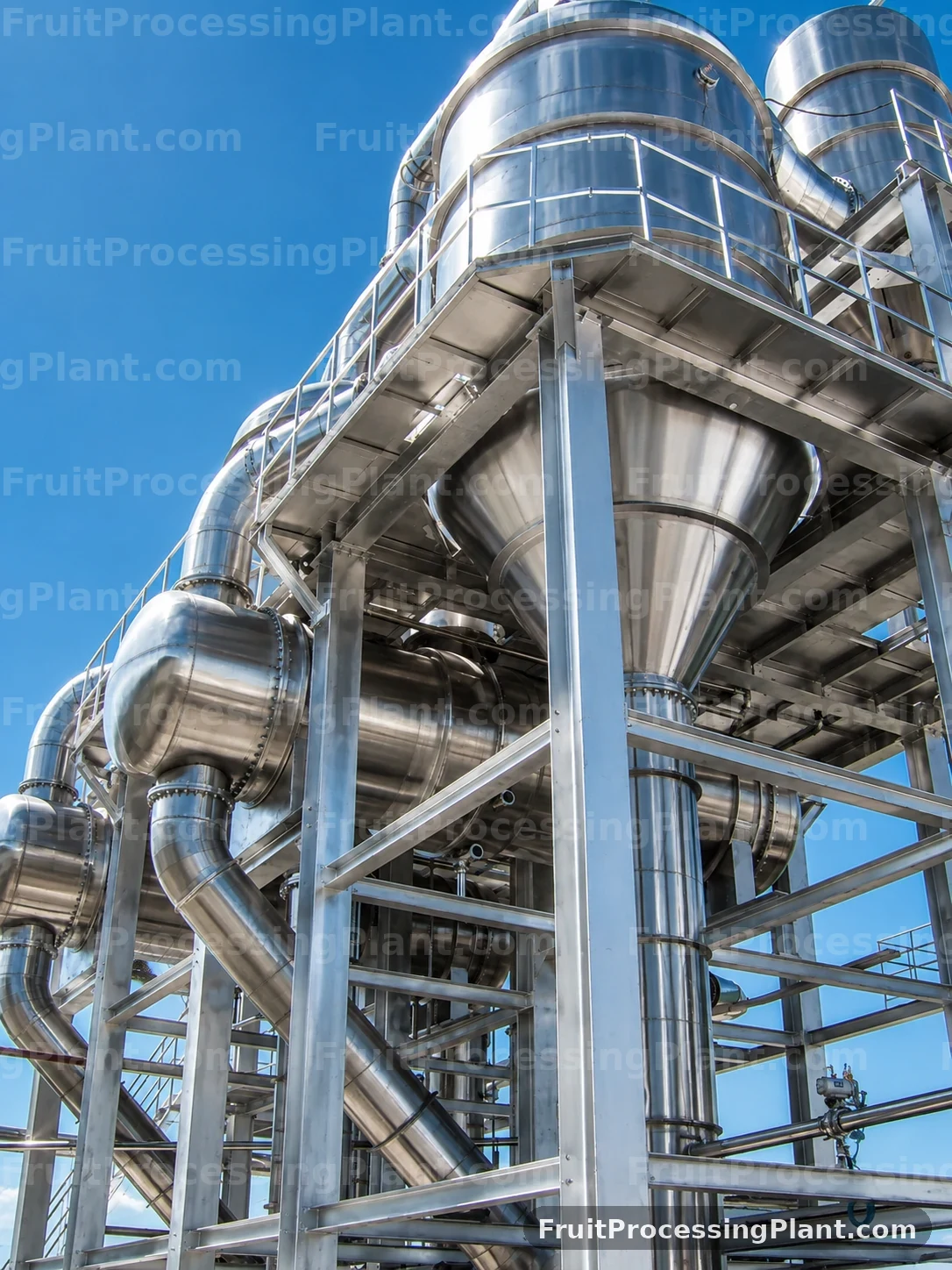
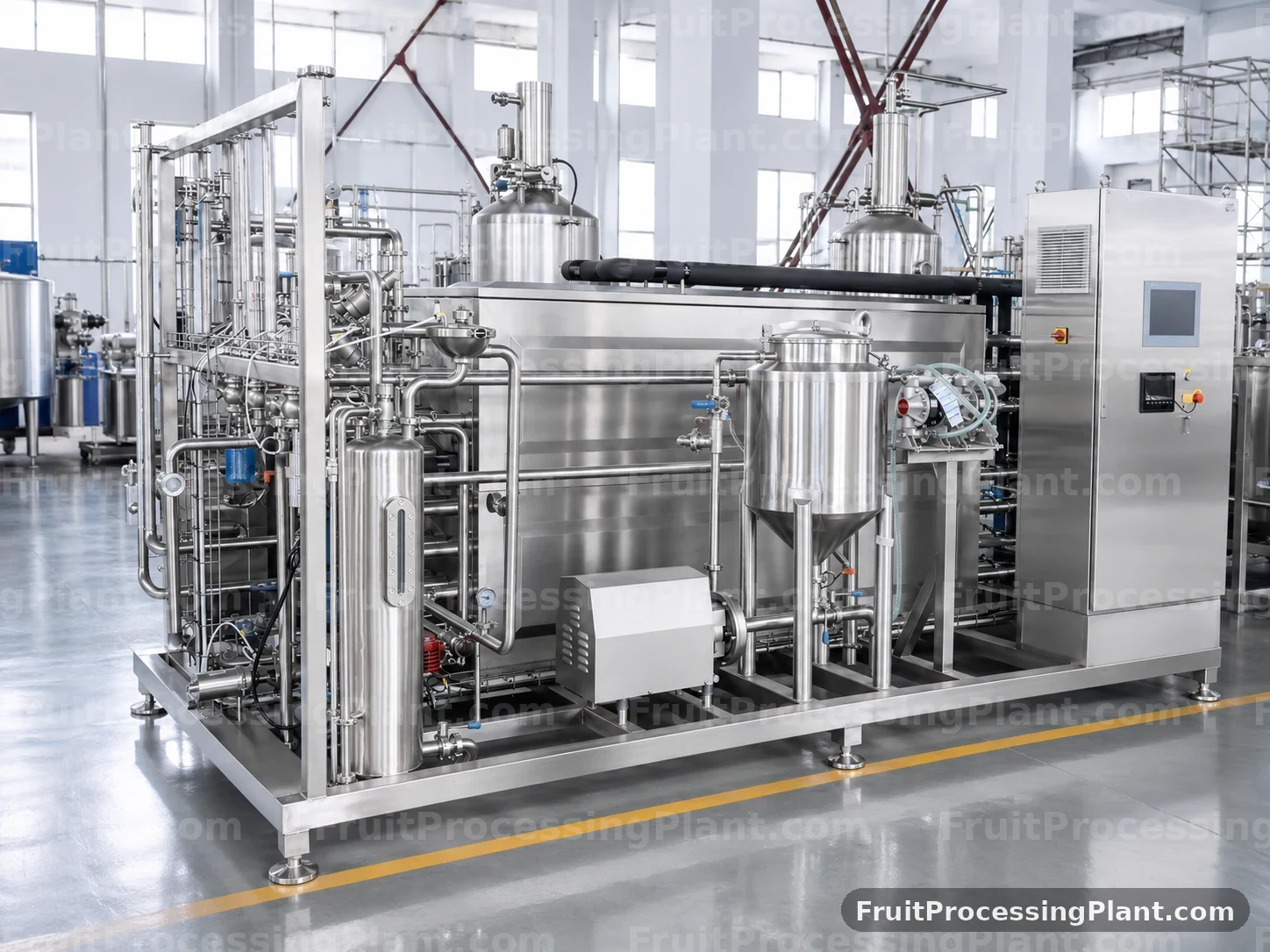
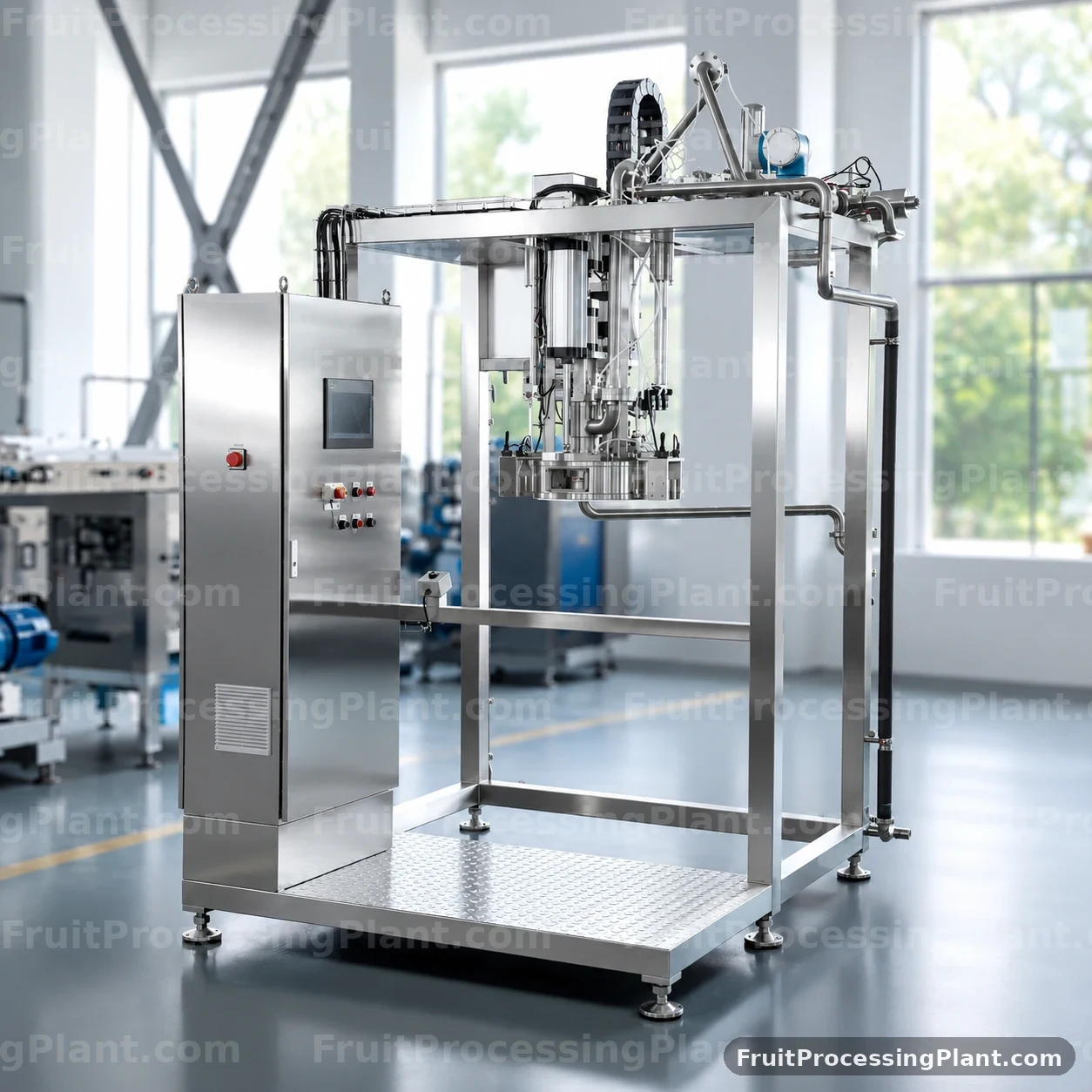
A tomato paste plant must be budgeted as a campaign factory with receiving, washing, pulping, evaporation, sterilization, filling and CIP.
Paste, puree, passata-style product and sauce base use different Brix and viscosity assumptions. The same raw material can use different equipment when the product changes from juice to puree, concentrate or aseptic bulk.
Capacity should match harvest window, truck receiving, daily tomato supply and operating hours. Treat early capacity values as reference only until shift hours, campaign length and raw material supply are confirmed.
Aseptic bulk drums, bins, pouches, jars and cans create different filling sections. Filling format changes heat treatment, sterile transfer, labor, utilities and factory layout.
| Cost Driver | Reference Only Planning Question | Why It Matters |
|---|---|---|
| Raw material preparation | Tomato variety, maturity, defect level, natural Brix and harvest campaign. | Changes washing, sorting, trimming, crushing, yield and waste handling. |
| Core extraction or pulping | Hot break or cold break, pulper screen, seed and skin removal. | Controls the main machine group and downstream pump, tank and screen requirements. |
| Heat treatment | Tube-in-tube or tubular route for viscous paste and puree. | Viscosity, particles, pH and shelf-life target decide plate, tubular or tube-in-tube equipment. |
| Concentration | Feed Brix, target Brix, evaporation load and fouling behavior. | Evaporation is a major cost and utility driver when target Brix is high. |
| Filling system | Aseptic drum, bag-in-bin, pouch, can, jar or bottle. | Aseptic, hot-fill, bottle, pouch, can and jar routes use different sanitary logic. |
| Utilities and automation | Steam, power, compressed air, cooling water, CIP and PLC level. | Utilities and control scope often decide the real installed cost. |
For tomato paste plant cost, send product target, hot break or cold break preference, feed Brix, target Brix, viscosity, capacity, packaging, steam and factory layout.
No. This page is for reference-only budget preparation. A responsible quotation needs raw material, finished product, capacity, Brix, viscosity, packaging, utilities and factory layout.
Tomato Paste Processing Plant cost usually changes most when the process route, heat treatment, concentration need, aseptic filling scope or automation level changes.
Compare the same finished product, same fresh material intake, same package, same utility boundary and same automation level. Otherwise the numbers are not comparable.
Send product type, capacity, Brix, viscosity, particle requirements, packaging, steam, power, compressed air, cooling water, CIP expectation and factory layout.
Share raw material, finished product, hourly capacity, Brix, viscosity, packaging, utilities, factory layout, automation requirement and timeline. Values can be preliminary references for early engineering review.