Raw material behavior
Watermelon has high water content, rind, seeds and low acidity that can affect shelf-life route.
Watermelon juice processing line design focuses on rind removal, seed control, high water content, low acidity, microbial risk and beverage filling.
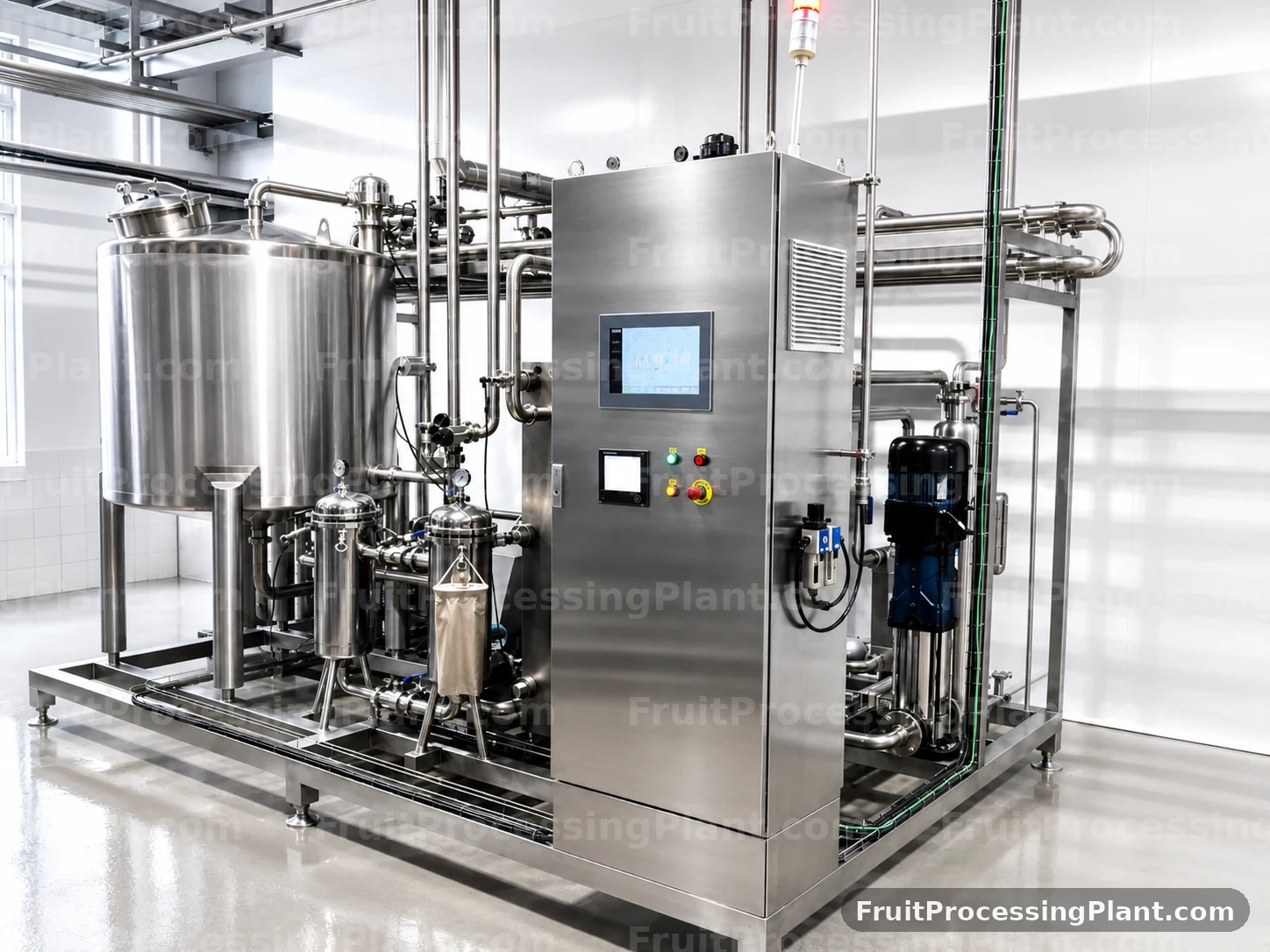
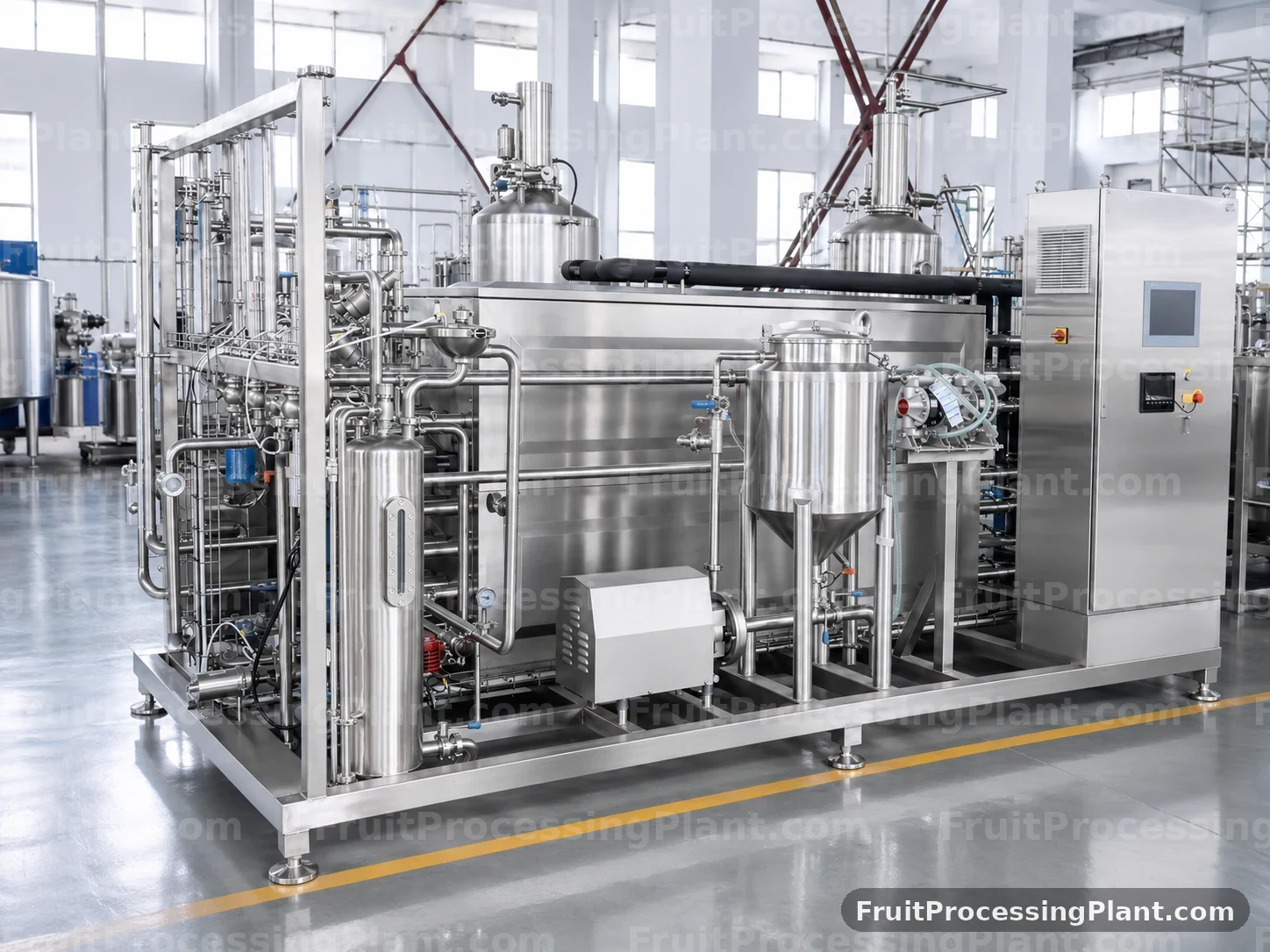
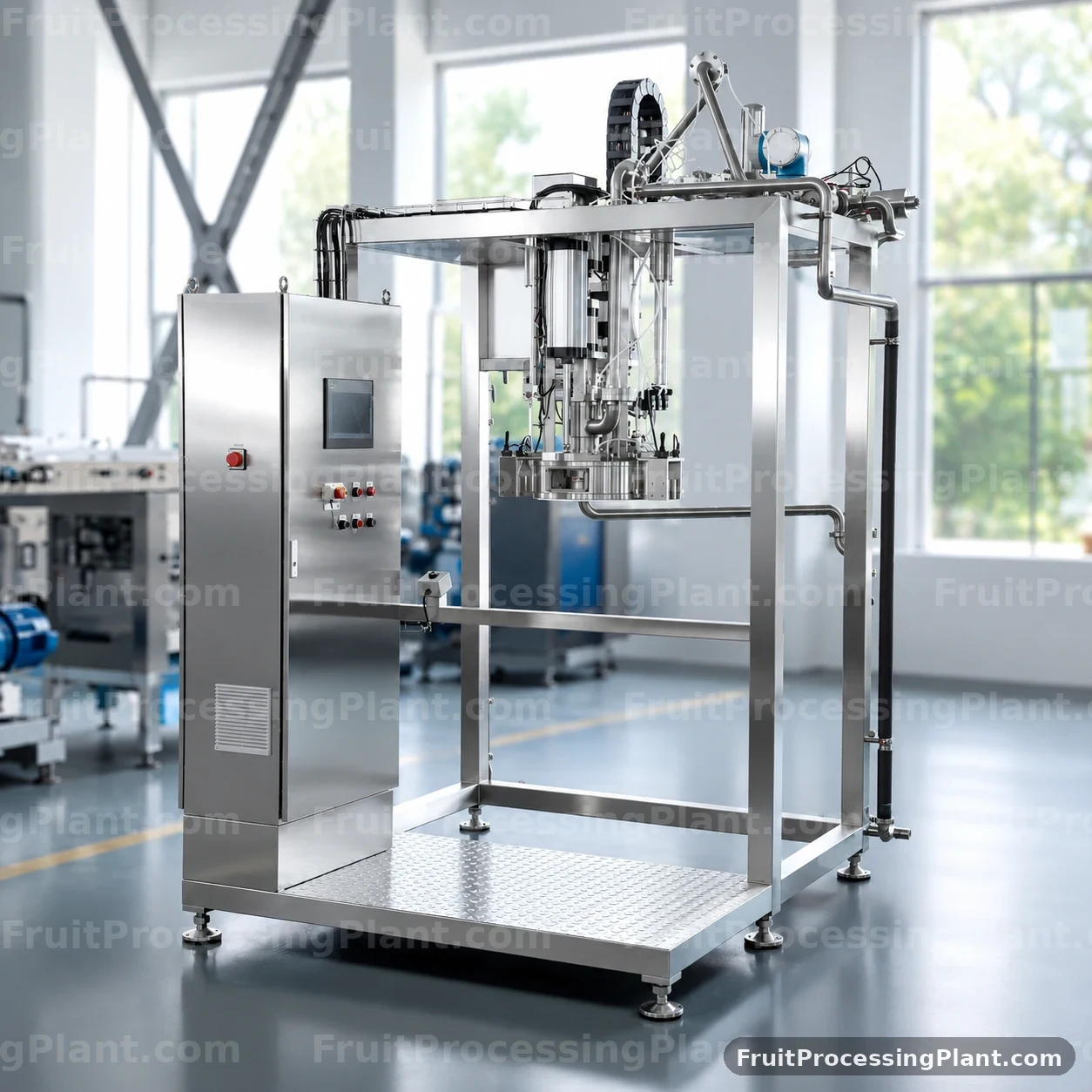
Watermelon juice processing line design focuses on rind removal, seed control, high water content, low acidity, microbial risk and beverage filling.
Watermelon has high water content, rind, seeds and low acidity that can affect shelf-life route.
Watermelon juice, beverage base, blended juice and chilled or aseptic ingredient.
Rind removal, seed separation, low acidity, foam, microbial risk and cold chain or heat treatment.
| Finished Product | Process Route | Packaging Option | Key Engineering Concern |
|---|---|---|---|
| Watermelon juice | Washing, cutting, rind removal, crushing, seed control, deaeration and pasteurization | Bottle, pouch, chilled pack or aseptic bulk | Rind removal, seed separation, low acidity, foam, microbial risk and cold chain or heat treatment. |
| Watermelon beverage base | Juice extraction, blending, pasteurization and filling | Bottle, pouch, chilled pack or aseptic bulk | Flavor and acidity adjustment |
| Watermelon pulp ingredient | Pulping, finishing and chilled or aseptic packaging | Aseptic bulk or chilled/frozen ingredient pack | Microbial control and separation |
Reference route: Receiving -> Washing -> Cutting -> Rind removal -> Crushing -> Seed control -> Deaeration -> Pasteurization -> Filling
Clean fruit surface before cutting.
Separate edible flesh from rind.
Extract juice from flesh.
Remove seeds and coarse particles.
Set process by pH and package.
Select chilled, bottle, pouch or aseptic route.
Cleans fruit before cutting.
Prepares watermelon flesh.
Used for low-viscosity juice when suitable.
| Parameter | Typical Reference | Why It Matters |
|---|---|---|
| Raw material | Watermelon has high water content, rind, seeds and low acidity that can affect shelf-life route. | Defines washing, sorting, trimming and extraction route. |
| Finished product | Watermelon juice, beverage base, blended juice and chilled or aseptic ingredient. | Determines pulping, heat treatment, evaporation and filling. |
| Capacity | Hourly intake and operating hours should be stated as preliminary references. | Capacity changes all equipment modules and utilities. |
| Brix, pH and viscosity | Confirm natural Brix, pH, viscosity, pulp or particle content and heat sensitivity. | These decide pump, heat exchanger, evaporator and filler selection. |
| Packaging | Bottle, pouch, chilled pack or aseptic bulk | Changes sterilization, filling, cooling and storage logic. |
| Utilities | Steam, power, compressed air, cooling water, drainage and CIP. | Utility limits can change practical plant capacity. |
Choose chilled or short-shelf route when fresh flavor is priority; use validated heat treatment and packaging for longer shelf life.
The main design point is low-acid beverage safety and rind or seed control.
Yes, but each finished product should be listed separately. Shared washing or preparation may be possible, while pulping, heat treatment, evaporation and filling can change by product.
Send fresh raw material intake per hour or day, shift hours, seasonal supply and expected packaging speed. Treat early values as reference only until engineering review.
Typical options include Bottle, pouch, chilled pack or aseptic bulk. The final choice should match shelf life, storage and sales channel.
Steam, power, compressed air, cooling water, drainage, CIP expectation, factory layout and automation level are needed before final quotation.
Share raw material, finished product, hourly capacity, Brix, viscosity, packaging, utilities, factory layout, automation requirement and timeline. Values can be preliminary references for early engineering review.