Product fit
Fruit juice, beverage base, low-viscosity nectar and some sauce-style products after formulation review.
Hot-fill juice production uses heat treatment and filling temperature to support shelf-life goals for suitable juice and beverage products.
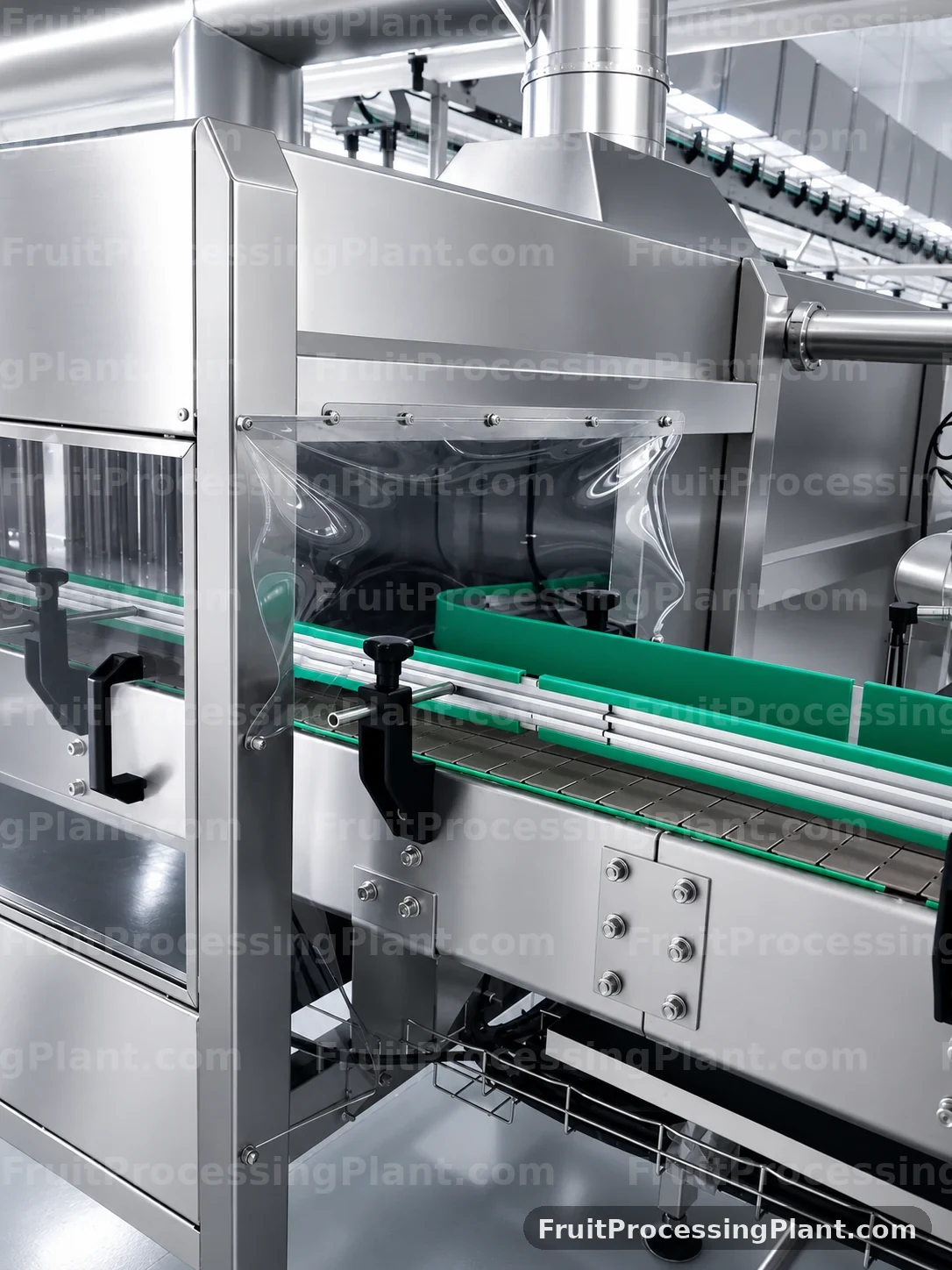
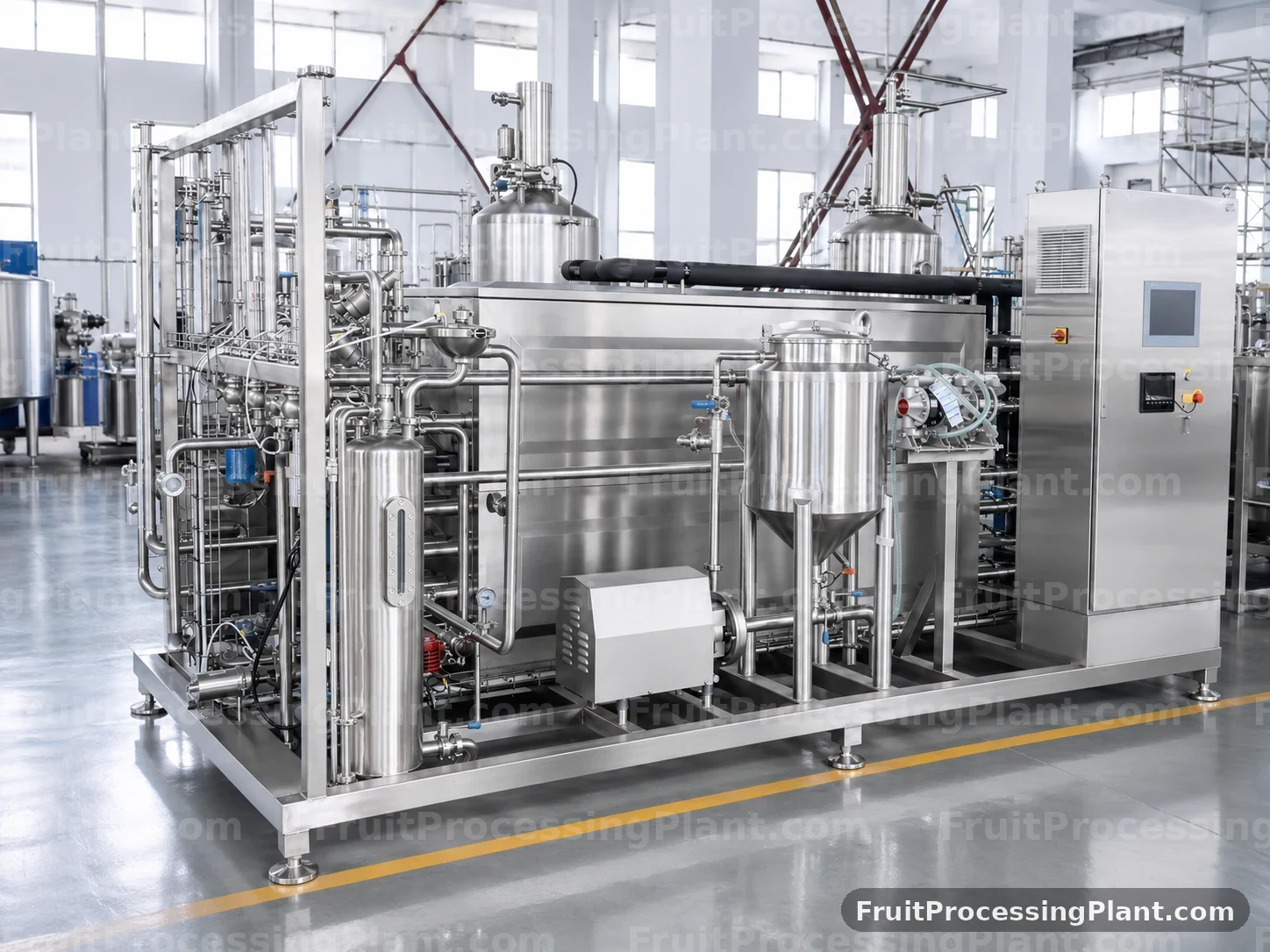
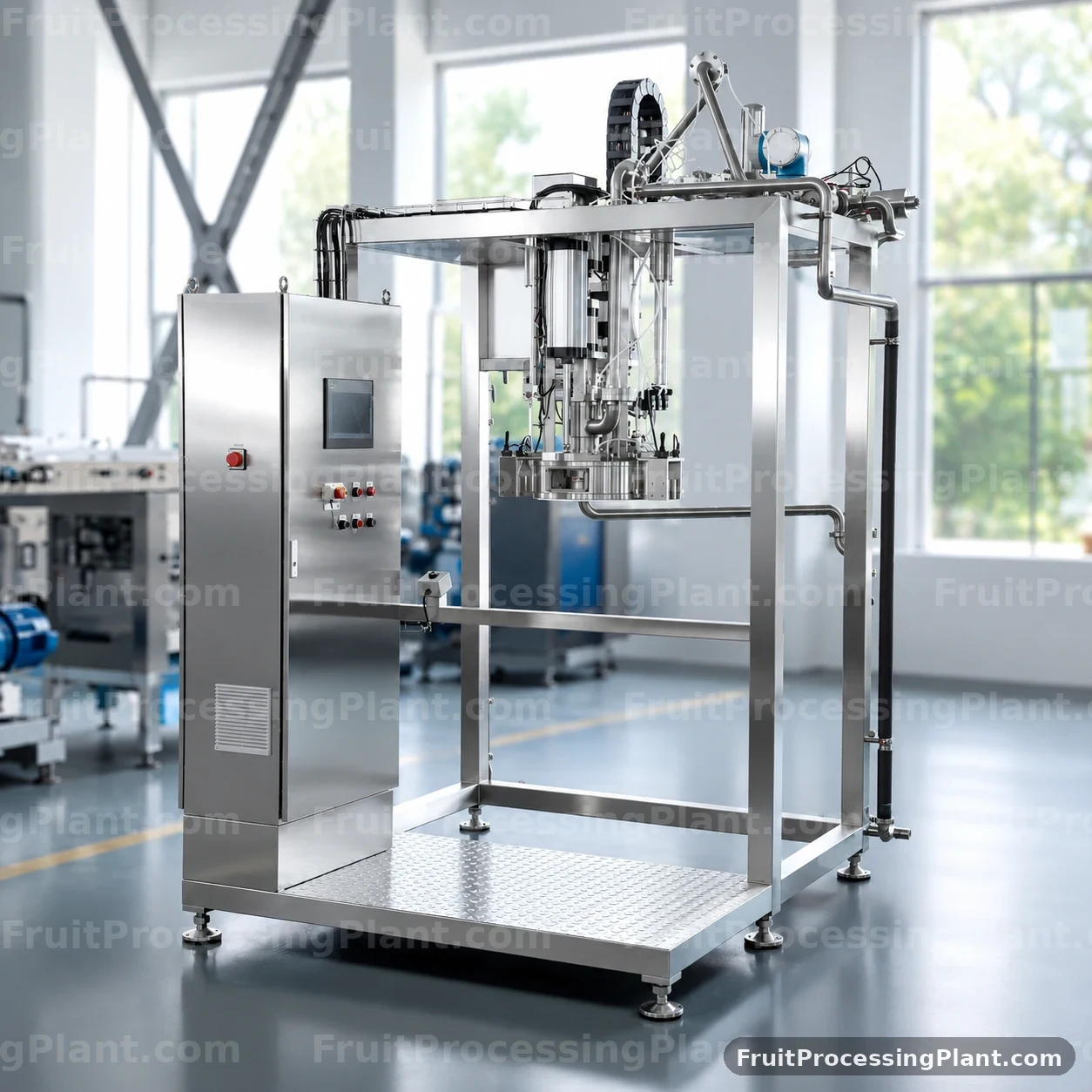
Hot-fill is often considered for acidic juice and beverage products where container and formulation can tolerate the filling temperature.
Fruit juice, beverage base, low-viscosity nectar and some sauce-style products after formulation review.
Pasteurization and filling temperature must be designed with pH, Brix, pulp and container resistance.
Requires hot product transfer, filling, capping, inversion or holding where needed, cooling and labeling.
| Checklist Item | Reference Only Planning Question | Why It Matters |
|---|---|---|
| Product type | pH, Brix, pulp level, container type and shelf-life target. | Viscosity, pulp and particles decide filling valve, pump and heat-treatment route. |
| Shelf life | Ambient shelf-life route where product and package tolerate hot filling. | Shelf life target decides aseptic, hot-fill, pasteurized, chilled or retort route. |
| Container | PET bottle, glass bottle, pouch or other heat-tolerant container. | Package material and size affect conveyor, filler, capper, sterilization and labeling. |
| Filling temperature | Hot-fill temperature, holding time and cooling method. | Temperature affects product stability, container deformation and cooling demand. |
| Cleaning | Define manual cleaning, CIP or SIP expectation. | Sanitary design changes filler cost, downtime and operating risk. |
Plate or tubular unit heats product before filling.
Filler and capper should tolerate temperature and foam behavior.
Cooling protects package shape and product quality after filling.
It is better to select packaging early because it changes heat treatment, filling temperature, sterile transfer, cooling and line layout.
No. It is a reference-only packaging route page for RFQ preparation. Final equipment scope depends on product, container and shelf-life requirements.
Send product type, viscosity, pulp or particle level, container type, volume, cap or spout format, shelf-life target, filling temperature and required automation level.
It can be designed for multiple formats, but each additional package adds filling, conveying, cleaning, control and changeover complexity.
Share raw material, finished product, hourly capacity, Brix, viscosity, packaging, utilities, factory layout, automation requirement and timeline. Values can be preliminary references for early engineering review.