Fruitprocessingplant.com / Raw material route
Beetroot Processing Line for Beetroot Juice, Puree and Concentrate
Beetroot processing line for juice, puree and concentrate, with soil removal, root preparation, pigment protection, pressing and filling.
Choose the finished-product boundary
The crop-specific engineering notes below define preparation and recovery questions. Select the product and packaging separately; the same front end does not make every downstream route equivalent.
Beetroot Processing Line Overview
Beetroot processing line design focuses on soil removal, root trimming, color protection, crushing, juice or puree extraction, heat treatment and filling.
Raw material behavior
Beetroot carries soil and has strong red pigments that require washing and oxidation control.
Finished product focus
Beetroot juice, puree, concentrate, vegetable blend base and aseptic ingredient.
Main engineering concern
Soil removal, peel, pigment retention, earthy flavor, fiber and cleaning.
Beetroot Processing Line Finished Products
| Finished Product | Process Route | Packaging Option | Key Engineering Concern |
|---|---|---|---|
| Beetroot juice | Brush washing, trimming, crushing, pressing, deaeration and pasteurization | Bottle, pouch, aseptic drum or bulk tank | Soil removal, peel, pigment retention, earthy flavor, fiber and cleaning. |
| Beetroot puree | Washing, cooking or blanching if required, pulping and sterilization | Bottle, pouch, aseptic drum or bulk tank | Fiber and color |
| Beetroot concentrate | Juice extraction, evaporation and aseptic filling | Aseptic bulk or chilled/frozen ingredient pack | Brix and pigment stability |
Beetroot Processing Line Process Flow
Reference route: Receiving -> Brush washing -> Trimming -> Crushing -> Pressing or pulping -> Deaeration -> Heat treatment -> Filling
01. Brush washing
Remove soil from roots.
02. Trimming
Remove defects and tops.
03. Crushing
Prepare for extraction.
04. Pressing or pulping
Choose juice or puree route.
05. Deaeration
Protect color.
06. Filling
Select bottle, pouch or aseptic route.
Key Equipment for Beetroot Processing Line
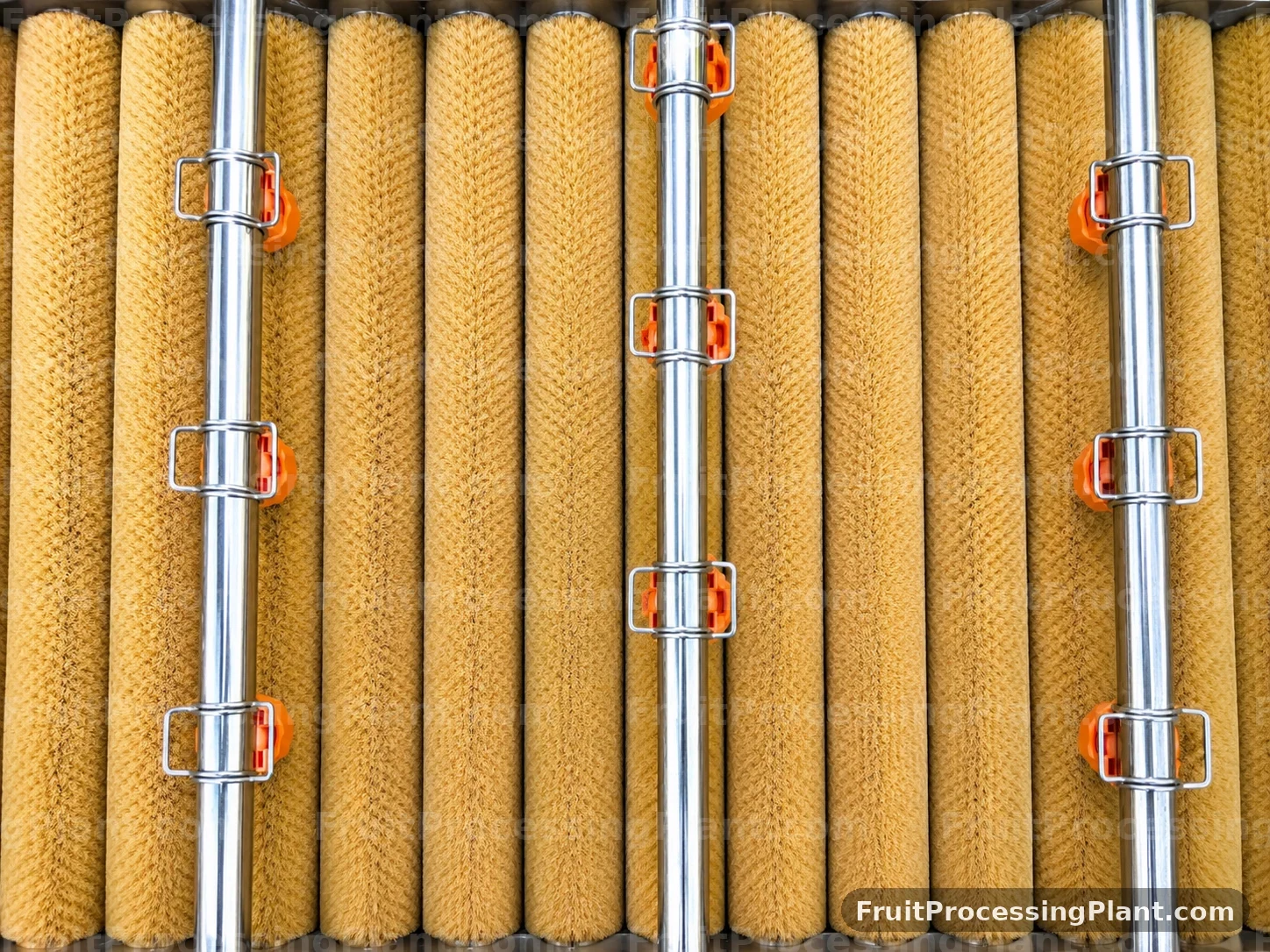
Brush washer
Soil removal for root crops.
Hammer crusher
Prepares roots for extraction.
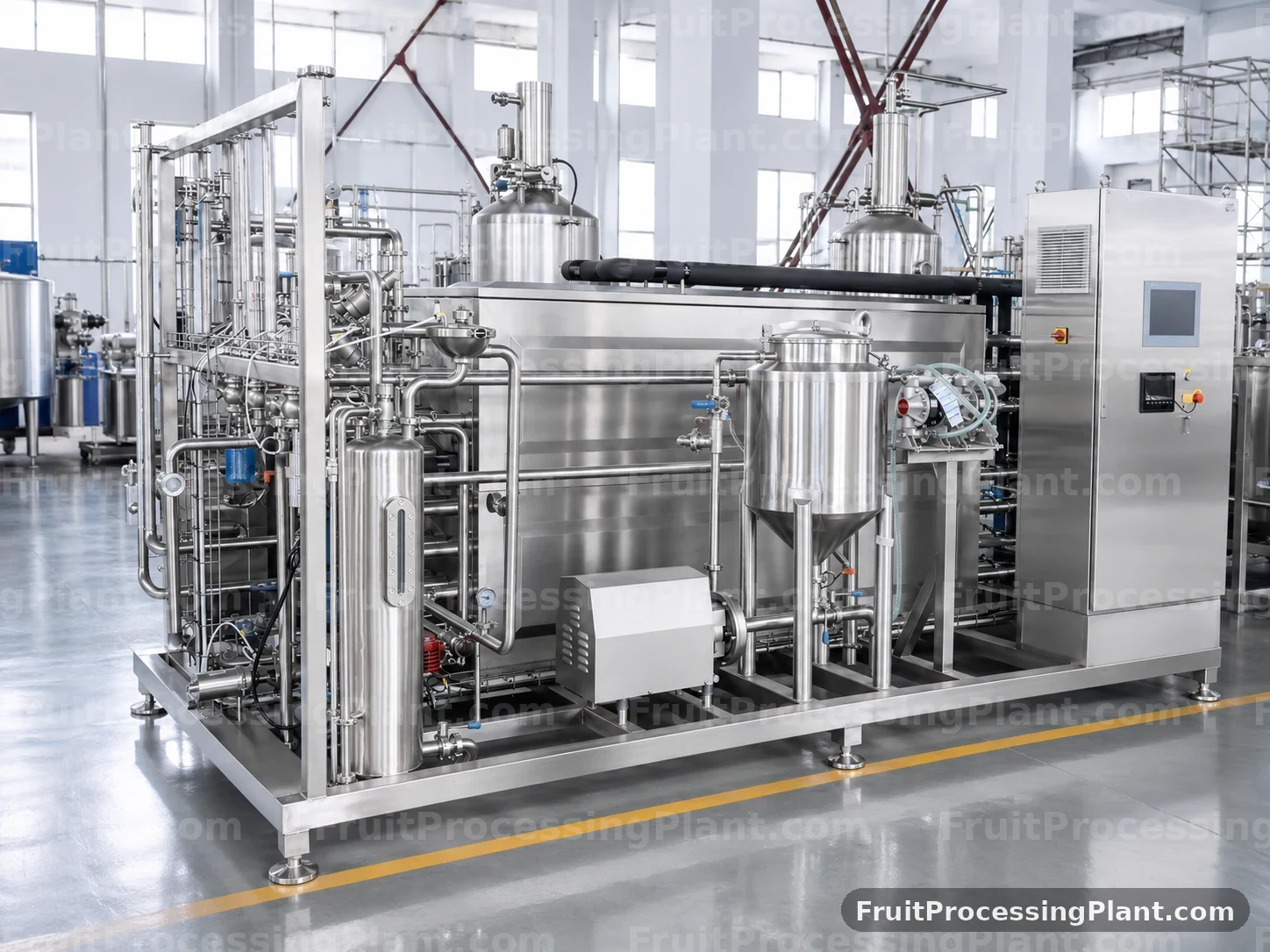
Tubular sterilizer
Used for pulpy beetroot products.
Beetroot Processing Line RFQ Data
| Parameter | Typical Reference | Why It Matters |
|---|---|---|
| Raw material | Beetroot carries soil and has strong red pigments that require washing and oxidation control. | Defines washing, sorting, trimming and extraction route. |
| Finished product | Beetroot juice, puree, concentrate, vegetable blend base and aseptic ingredient. | Determines pulping, heat treatment, evaporation and filling. |
| Capacity | Hourly intake and operating hours should be stated as preliminary references. | Capacity changes all equipment modules and utilities. |
| Brix, pH and viscosity | Confirm natural Brix, pH, viscosity, pulp or particle content and heat sensitivity. | These decide pump, heat exchanger, evaporator and filler selection. |
| Packaging | Bottle, pouch, aseptic drum or bulk tank | Changes sterilization, filling, cooling and storage logic. |
| Utilities | Steam, power, compressed air, cooling water, drainage and CIP. | Utility limits can change practical plant capacity. |
How to Choose the Beetroot Processing Line Route
Choose juice for beverage route and puree or concentrate for ingredient route.
Beetroot Processing Line Engineering Problems
- Soil load
- Color loss
- Earthy flavor
- Fiber
- Cleaning root solids
- Package staining
Related Equipment, Cost and Guide Pages
brush washing machinehammer crushercarrot processing linesend beetroot line RFQBeetroot Processing Line FAQ
What is the main design point for Beetroot Processing Line?
The main design point is strong soil removal and pigment protection.
Can the Beetroot Processing Line make several products?
Yes, but each finished product should be listed separately. Shared washing or preparation may be possible, while pulping, heat treatment, evaporation and filling can change by product.
What capacity data should be sent?
Send fresh raw material intake per hour or day, shift hours, seasonal supply and expected packaging speed. Treat early values as reference only until engineering review.
Which packaging formats can be discussed?
Typical options include Bottle, pouch, aseptic drum or bulk tank. The final choice should match shelf life, storage and sales channel.
What utility information is needed?
Steam, power, compressed air, cooling water, drainage, CIP expectation, factory layout and automation level are needed before final quotation.
Your next engineering decision
Bring the product, site and scope together.
Start with contact details and a short requirement. Add product properties, capacity basis, packaging and utility conditions when available.