Raw material behavior
Lemon peel oil, acidity, seed content and fruit size determine extraction and finishing settings.
Lemon processing line design focuses on acidity, peel oil management, extraction, finishing, pasteurization, concentration and filling.
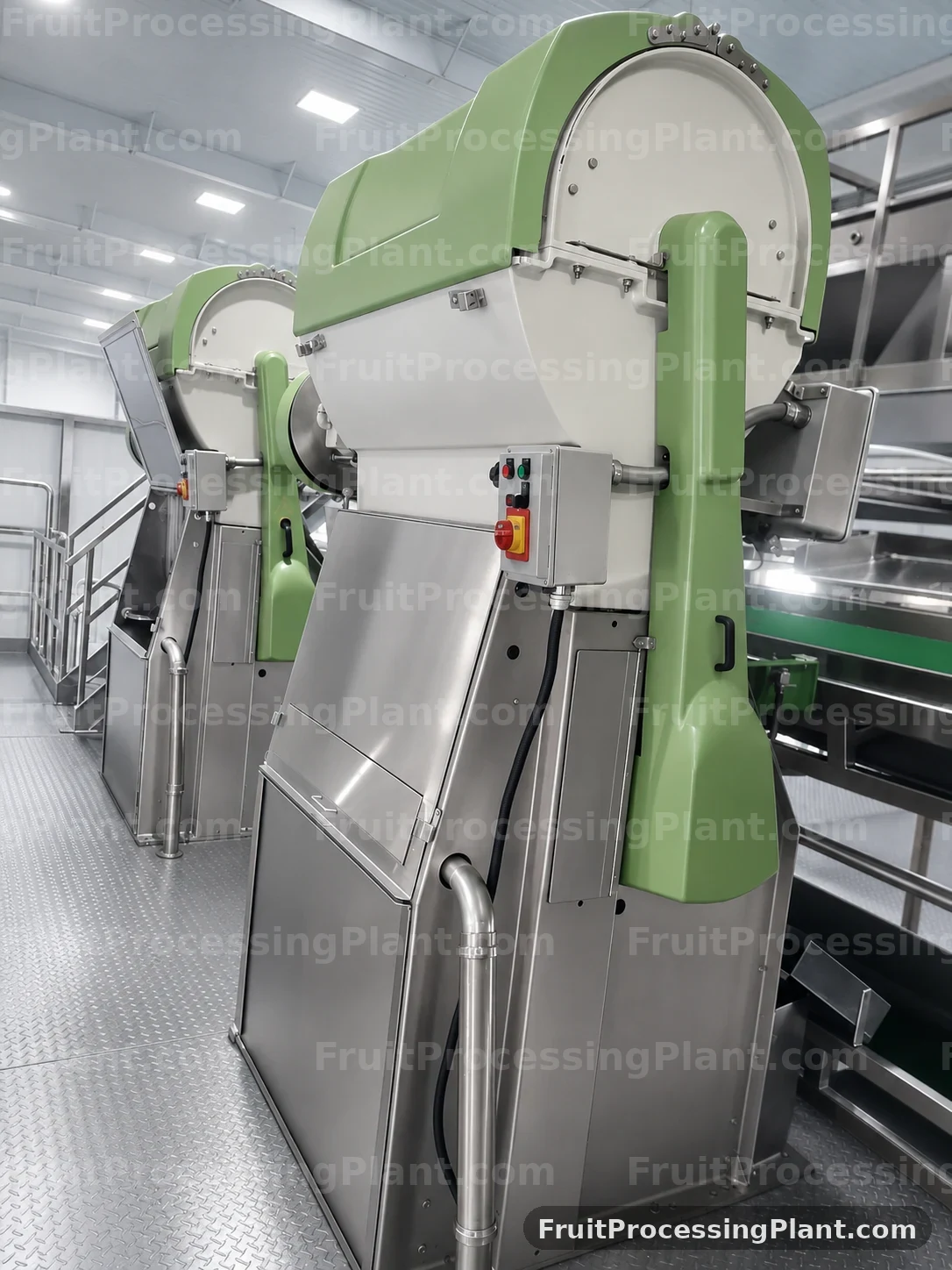
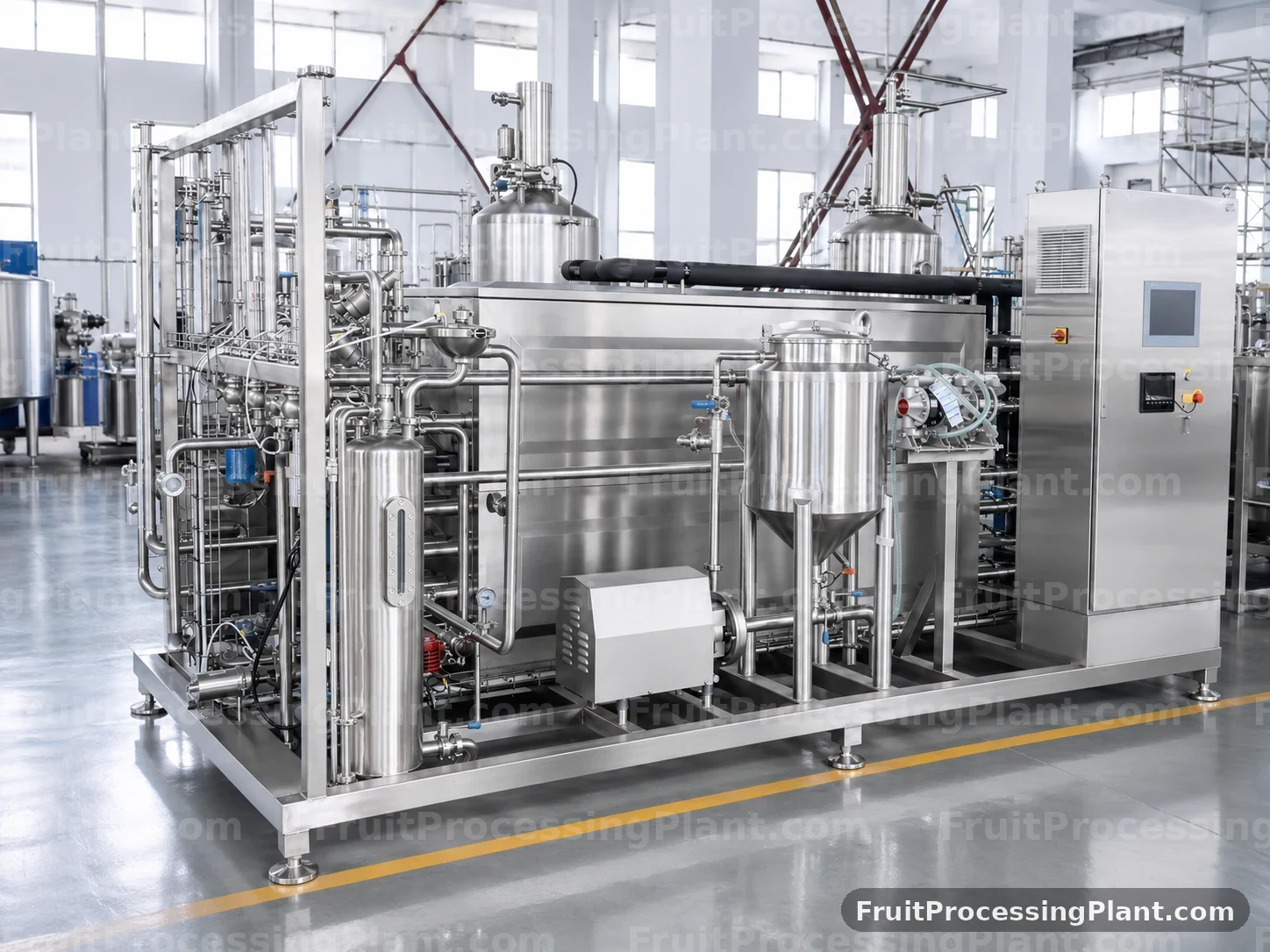
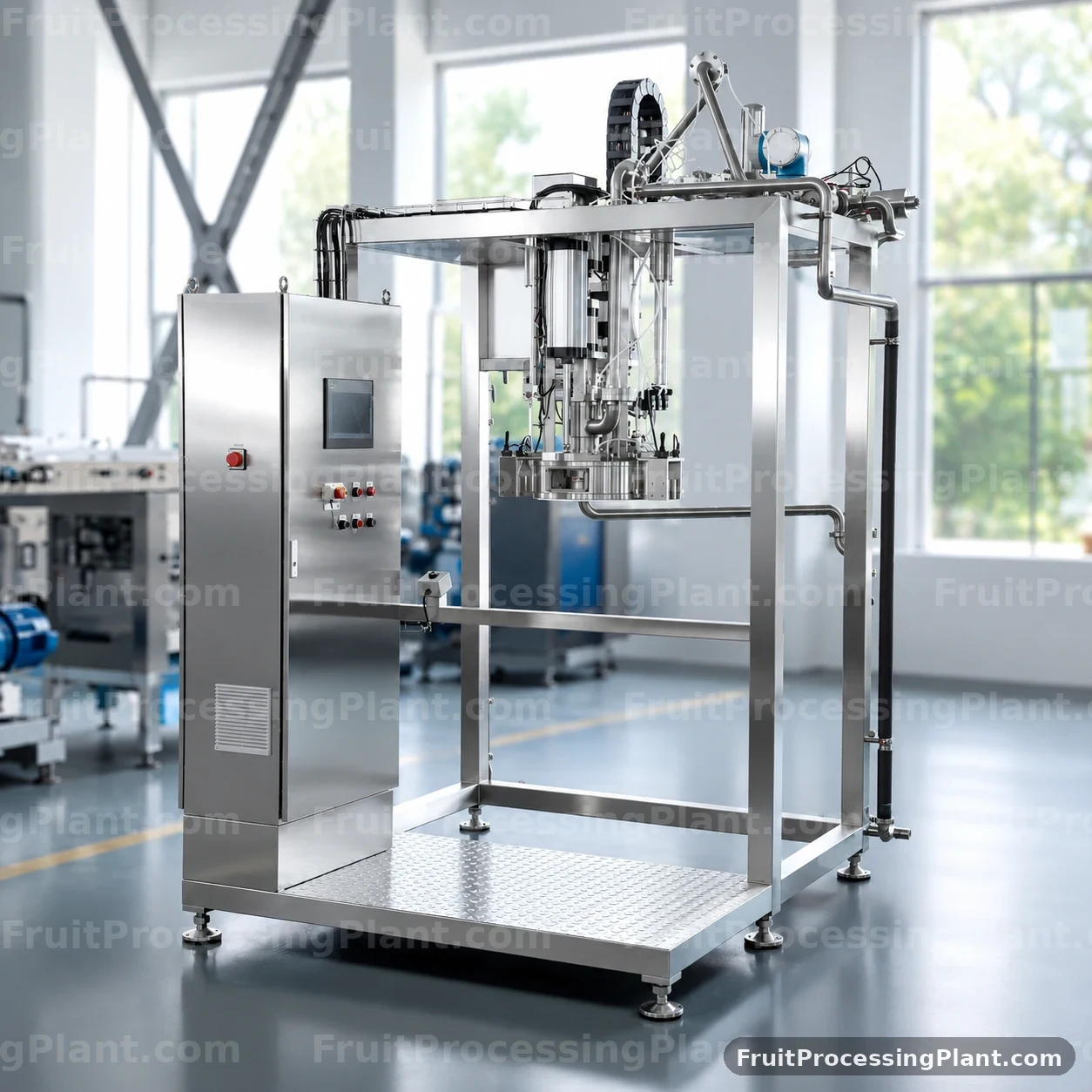
Lemon processing line design focuses on acidity, peel oil management, extraction, finishing, pasteurization, concentration and filling.
Lemon peel oil, acidity, seed content and fruit size determine extraction and finishing settings.
Lemon juice, lemon concentrate, beverage acid base and optional oil recovery stream.
High acidity, peel oil, bitterness, corrosion-resistant contact surfaces and aroma retention.
| Finished Product | Process Route | Packaging Option | Key Engineering Concern |
|---|---|---|---|
| Lemon juice | Washing, grading, citrus extraction, finishing, deaeration and pasteurization | Bottle, pouch, carton or aseptic drum | High acidity, peel oil, bitterness, corrosion-resistant contact surfaces and aroma retention. |
| Lemon concentrate | Extraction, clarification if required, evaporation and aseptic filling | Bottle, pouch, carton or aseptic drum | Acidity, Brix and evaporator material selection |
| Lemon beverage base | Juice preparation, blending interface and heat treatment | Aseptic bulk or chilled/frozen ingredient pack | Flavor consistency and acidity control |
Reference route: Receiving -> Washing -> Grading -> Citrus extraction -> Finishing -> Deaeration -> Pasteurization -> Filling
Remove field contamination before extraction.
Limit peel oil and seed damage.
Control pulp and seed fragments.
Reduce oxygen and aroma loss.
Select heat treatment by package.
Match acidic product with package material.
Extracts lemon juice while limiting peel oil.
Used for low-viscosity acidic juice.
Discussed when lemon concentrate is required.
| Parameter | Typical Reference | Why It Matters |
|---|---|---|
| Raw material | Lemon peel oil, acidity, seed content and fruit size determine extraction and finishing settings. | Defines washing, sorting, trimming and extraction route. |
| Finished product | Lemon juice, lemon concentrate, beverage acid base and optional oil recovery stream. | Determines pulping, heat treatment, evaporation and filling. |
| Capacity | Hourly intake and operating hours should be stated as preliminary references. | Capacity changes all equipment modules and utilities. |
| Brix, pH and viscosity | Confirm natural Brix, pH, viscosity, pulp or particle content and heat sensitivity. | These decide pump, heat exchanger, evaporator and filler selection. |
| Packaging | Bottle, pouch, carton or aseptic drum | Changes sterilization, filling, cooling and storage logic. |
| Utilities | Steam, power, compressed air, cooling water, drainage and CIP. | Utility limits can change practical plant capacity. |
Choose direct juice for beverage supply and concentrate when storage or export density is required. Optional oil recovery should be declared early.
The main design point is balancing juice yield with peel oil and bitterness control.
Yes, but each finished product should be listed separately. Shared washing or preparation may be possible, while pulping, heat treatment, evaporation and filling can change by product.
Send fresh raw material intake per hour or day, shift hours, seasonal supply and expected packaging speed. Treat early values as reference only until engineering review.
Typical options include Bottle, pouch, carton or aseptic drum. The final choice should match shelf life, storage and sales channel.
Steam, power, compressed air, cooling water, drainage, CIP expectation, factory layout and automation level are needed before final quotation.
Share raw material, finished product, hourly capacity, Brix, viscosity, packaging, utilities, factory layout, automation requirement and timeline. Values can be preliminary references for early engineering review.