
Raw material behavior
Sweet potatoes carry soil and develop high viscosity after cooking due to starch.
Sweet potato processing line design focuses on soil removal, peeling or trimming, cooking, pulping, starch behavior, viscosity and filling.
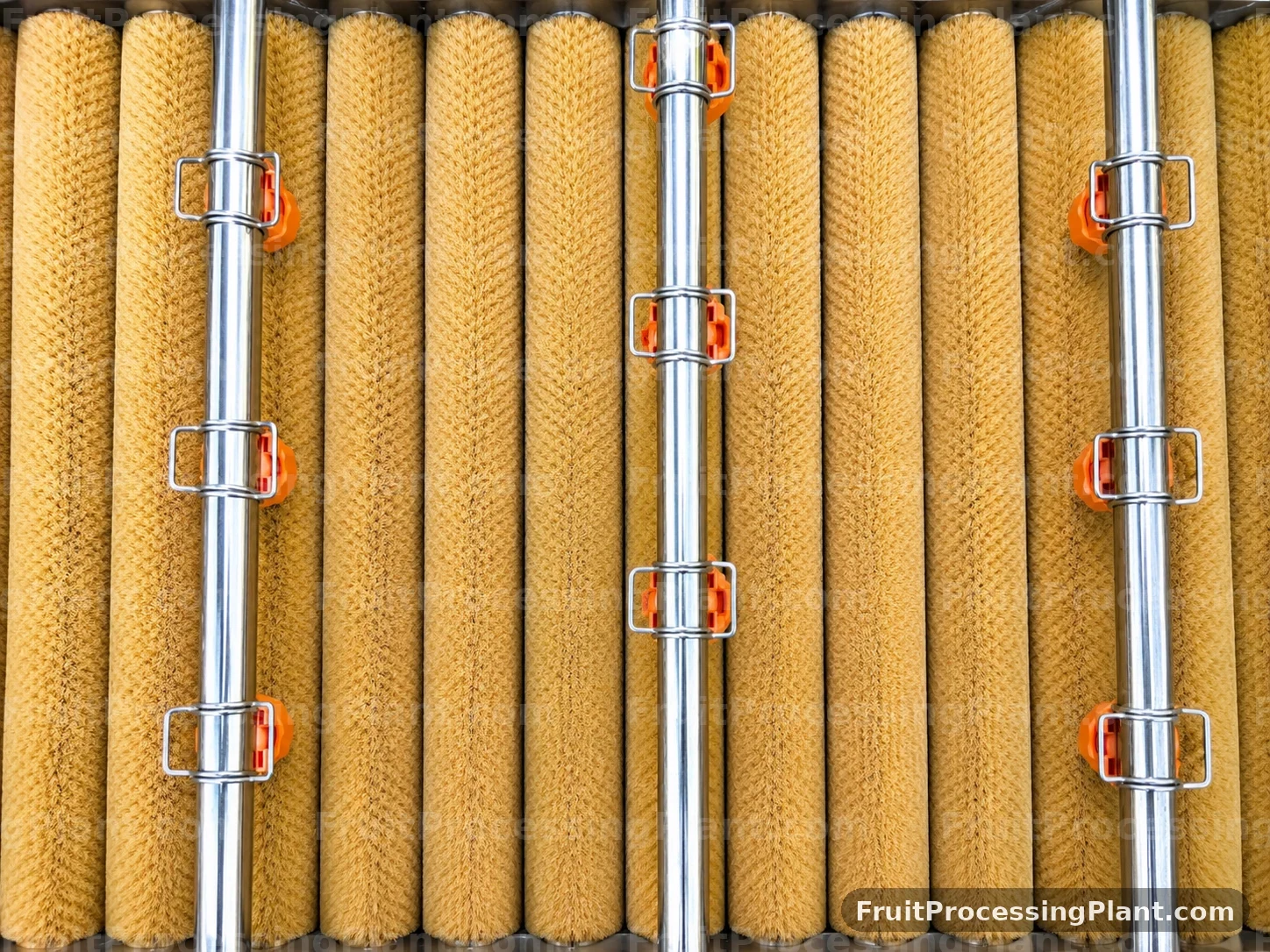
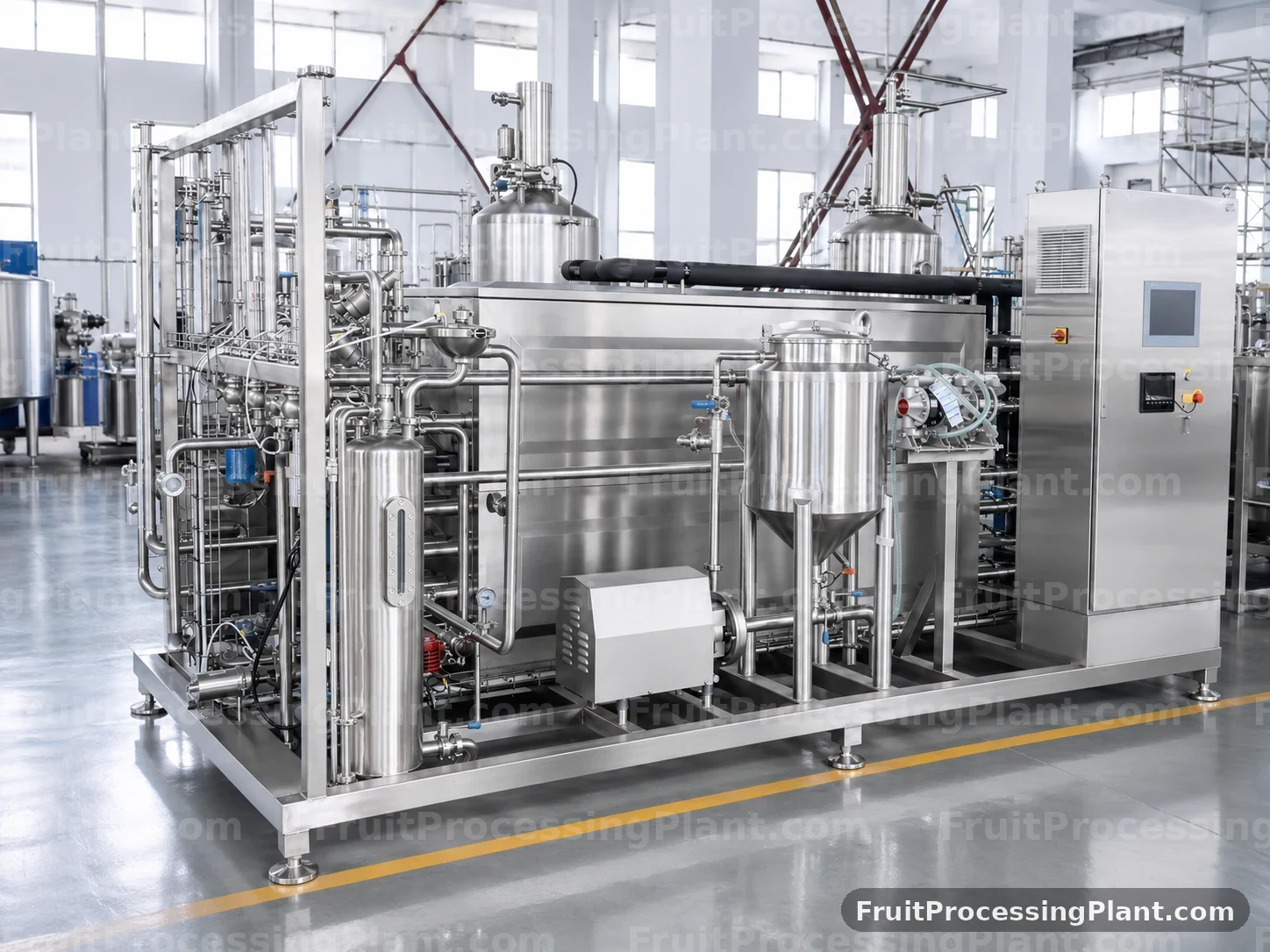
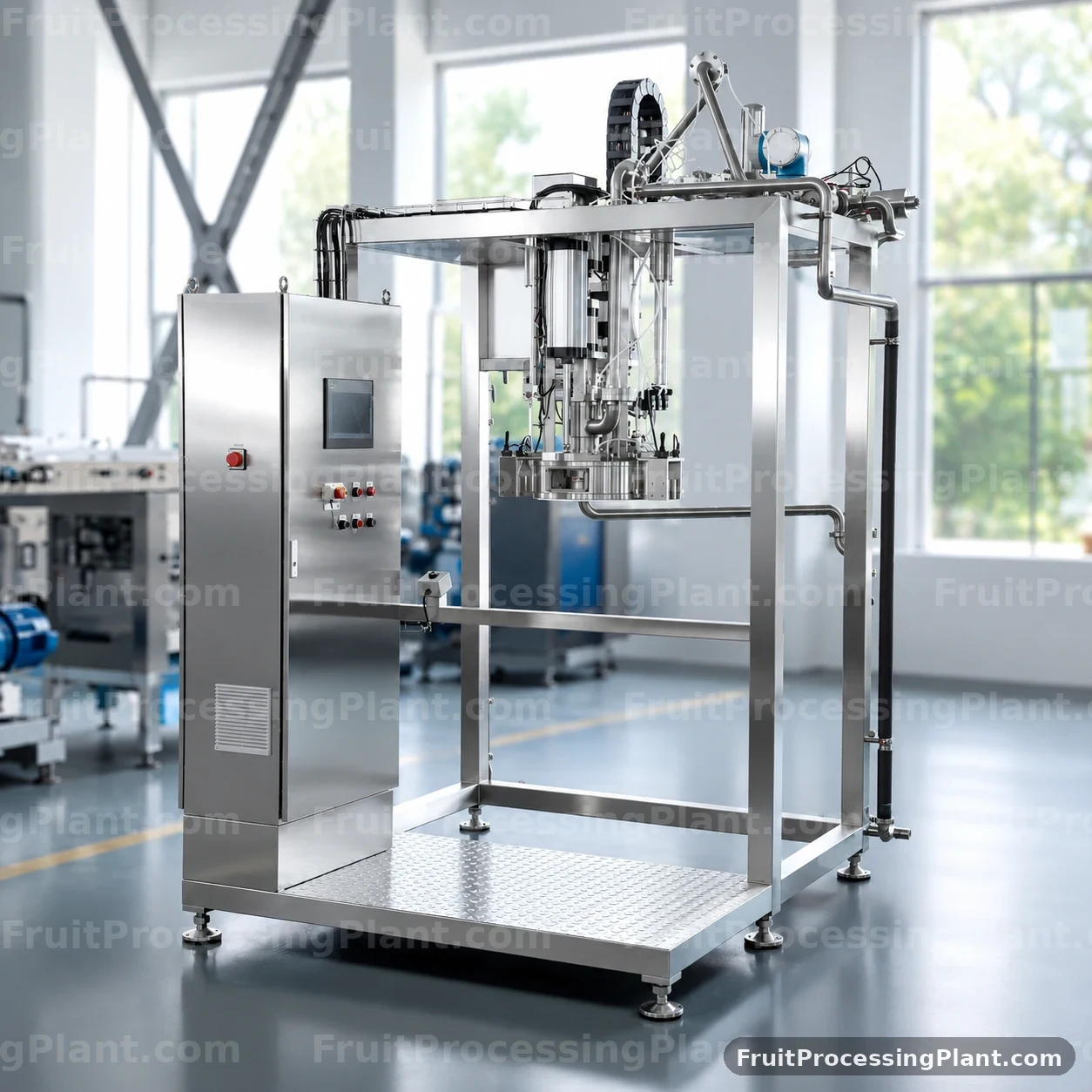
Sweet potato processing line design focuses on soil removal, peeling or trimming, cooking, pulping, starch behavior, viscosity and filling.
Sweet potatoes carry soil and develop high viscosity after cooking due to starch.
Sweet potato puree, paste, filling base, beverage base and aseptic ingredient.
Soil, peeling, starch viscosity, cooking, fouling and cleaning.
| Finished Product | Process Route | Packaging Option | Key Engineering Concern |
|---|---|---|---|
| Sweet potato puree | Brush washing, peeling, cooking, pulping and sterilization | Aseptic drum, pouch, jar or bulk tank | Soil, peeling, starch viscosity, cooking, fouling and cleaning. |
| Sweet potato paste | Cooking, pulping, blending and filling | Aseptic drum, pouch, jar or bulk tank | Viscosity and recipe control |
| Aseptic sweet potato ingredient | Pulping, tube-in-tube sterilization and aseptic filling | Aseptic bulk or chilled/frozen ingredient pack | Heat fouling and CIP |
Reference route: Receiving -> Brush washing -> Peeling -> Cooking -> Pulping -> Sterilization -> Filling
Remove soil.
Remove peel or defects.
Soften starch-rich flesh.
Create puree or paste texture.
Use viscous product route.
Aseptic, pouch or jar route.
Root crop cleaning.
Softens product before pulping.
Handles viscous puree.
| Parameter | Typical Reference | Why It Matters |
|---|---|---|
| Raw material | Sweet potatoes carry soil and develop high viscosity after cooking due to starch. | Defines washing, sorting, trimming and extraction route. |
| Finished product | Sweet potato puree, paste, filling base, beverage base and aseptic ingredient. | Determines pulping, heat treatment, evaporation and filling. |
| Capacity | Hourly intake and operating hours should be stated as preliminary references. | Capacity changes all equipment modules and utilities. |
| Brix, pH and viscosity | Confirm natural Brix, pH, viscosity, pulp or particle content and heat sensitivity. | These decide pump, heat exchanger, evaporator and filler selection. |
| Packaging | Aseptic drum, pouch, jar or bulk tank | Changes sterilization, filling, cooling and storage logic. |
| Utilities | Steam, power, compressed air, cooling water, drainage and CIP. | Utility limits can change practical plant capacity. |
Choose puree or paste route after confirming starch viscosity and package.
The main design point is cooking and pumping starch-rich high-viscosity puree.
Yes, but each finished product should be listed separately. Shared washing or preparation may be possible, while pulping, heat treatment, evaporation and filling can change by product.
Send fresh raw material intake per hour or day, shift hours, seasonal supply and expected packaging speed. Treat early values as reference only until engineering review.
Typical options include Aseptic drum, pouch, jar or bulk tank. The final choice should match shelf life, storage and sales channel.
Steam, power, compressed air, cooling water, drainage, CIP expectation, factory layout and automation level are needed before final quotation.
Share raw material, finished product, hourly capacity, Brix, viscosity, packaging, utilities, factory layout, automation requirement and timeline. Values can be preliminary references for early engineering review.