
Review method
We check the guide's selection logic against official regulatory or standards material and relevant engineering literature, while keeping each source attached to its stated scope.
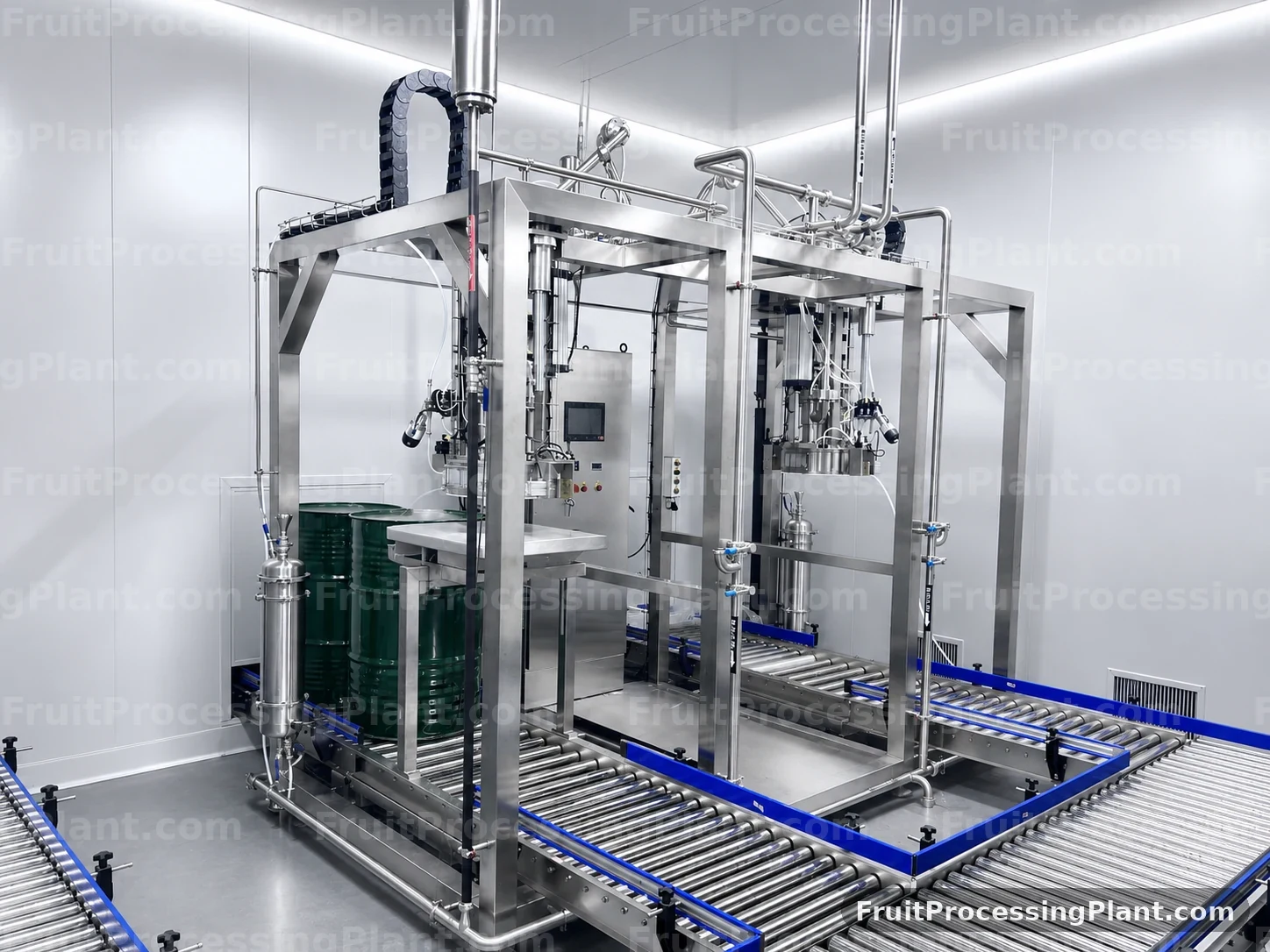
Aseptic fruit puree RFQ checklist for custom puree and pulp lines. Prepare raw material, capacity, Brix, viscosity, particles, sterilization, packaging and utility data.
Use the linked source and its current revision for the actual product and market. A citation does not make a result transferable to another product or installed line.
We check the guide's selection logic against official regulatory or standards material and relevant engineering literature, while keeping each source attached to its stated scope.
This evidence supports preliminary equipment selection and RFQ planning. It does not replace product trials, a qualified process authority, site-specific design, or destination-market compliance review.
This checklist helps buyers send enough engineering data for a realistic aseptic puree line configuration instead of a generic machine quote.
Different finished-product specifications require different process routes, equipment boundaries, utility loads and packaging systems. Confirm those project inputs before comparing quotations.
Confirm whether the target is clear juice, cloudy juice, puree, pulp, concentrate, nectar base, jam base or aseptic ingredient. Product state changes pumps, screens, tanks, heat exchangers and filling interfaces.
Heat treatment is selected from pH, viscosity, particles, target shelf life and package type. Plate, tubular and tube-in-tube systems should not be treated as interchangeable.
Separate must-have modules from future expansion. This makes the first quotation practical while keeping optional concentration, aseptic filling, higher capacity or additional fruit routes visible.
Use these fields to prepare a more useful engineering discussion. Values before quotation are reference only.
| Input | Typical Reference Only | Why It Matters |
|---|---|---|
| Raw material | Fruit variety, maturity, defects and seasonal supply. | Defines receiving, washing, pulping and yield assumptions. |
| Product target | Puree, pulp, nectar base, concentrate or aseptic ingredient. | Prevents a generic machine quote. |
| Thermal process | Target shelf life, pH, viscosity, particles and filling temperature. | Determines sterilizer and filler selection. |
| Utilities and layout | Steam, power, cooling water, compressed air, drainage and factory drawing. | Reduces quotation uncertainty. |
A useful aseptic puree RFQ moves from product definition to plant boundary. Missing data should be marked as reference only instead of being silently assumed.
State fruit variety, maturity, incoming condition, finished product, initial Brix, target Brix, pH, viscosity, fiber, seed and particle limits.
Confirm shelf-life target, sterilization or pasteurization, filling temperature, aseptic bag or drum format, package size and sterile transfer expectations.
Provide capacity, steam, power, compressed air, cooling water, CIP, factory layout, automation level, installation country, commissioning scope and timeline.
Browning and viscosity often decide whether the line needs rapid transfer, vacuum deaeration, controlled heating, positive-displacement pumping, tubular sterilization or a different filling valve. These are engineering inputs, not generic defaults.
The finished product and packaging route should be confirmed before choosing individual machines.
Brix, viscosity, oxygen pickup, aroma, color, particles and shelf life can change heat treatment and filling decisions.
Utilities, layout, CIP, automation and installation scope decide whether a quotation is complete enough to compare.
No. This guide is for preliminary RFQ preparation. Final equipment selection depends on raw material, finished product, capacity, Brix, viscosity, particles, heat treatment, packaging and utilities.
A custom fruit processing line can change significantly when product target, packaging or utilities change. Better RFQ data allows engineers to propose a practical route instead of a generic machine list.
Yes. If a value is not final, mark it as reference only. Engineers can still use it to narrow the process route and list what must be confirmed before quotation.
Useful attachments include raw material photos, finished product target, capacity target, package format, factory layout, utility data and any existing product specification or sample test information.
Send raw material, finished product, capacity, Brix, viscosity, particles, heat treatment, packaging format, utilities, factory layout, automation requirement and project timeline.